
Alerts
-
5 minutes, 8 seconds
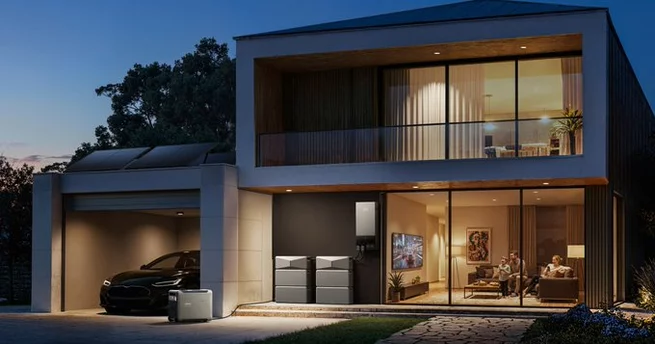
Anker Solix E10 Enters the Whole-Home Backup Race
Anker Solix E10 is officially here, giving homeowners a new option for whole-home backup power during outages and rising energy costs. Many people searching today want to know how powerful the system is, how much it costs, and whether it can truly replace grid dependence. The answer appears to be a confident yes for the right budget. Anker positions the E10 as a scalable energy solution that can grow from powering essentials to running an entire home. It directly challenges established players like Tesla Powerwall and EcoFlow. The launch signals Anker’s biggest push yet into serious residential energy infrastructure. Interest is high as blackouts become more frequent and solar adoption continues to grow.
Anker Solix E10 Pricing and Modular Design Explained
The Anker Solix E10 starts at $4,299, which includes one Power Module inverter and one 6kWh battery. This base setup is designed to keep critical appliances running rather than the whole house. Homeowners can gradually expand the system by stacking additional batteries as needs and budgets evolve. Anker clearly aims to lower the barrier to entry compared to all-in installations. The modular approach also appeals to users unsure how much capacity they really need. Instead of overcommitting, buyers can scale up over time. This flexibility makes the E10 practical for both new solar adopters and retrofit homes.
Anker Solix E10 Power Output Competes With Tesla
Power delivery is where the Anker Solix E10 truly flexes its muscles. The inverter delivers a steady 7.68kW output, with a short-term boost up to 10kW for heavy loads. Peak surge capacity reaches 28.8kW with one battery and 37.2kW with two or more batteries installed. That level of output is enough to start large appliances like a 5-ton air conditioner. Pairing two E10 systems pushes surge power to an impressive 66kW. These numbers place Anker firmly in competition with premium whole-home systems already on the market.
Anker Solix E10 Solar and Battery Capacity Potential
For users going all-in, the Anker Solix E10 supports serious solar and storage expansion. Up to three fully configured systems can be combined to accept 27kW of solar input. Battery storage can scale as high as 90kWh, offering days of backup power. Based on average U.S. home usage, that capacity could run a household for roughly three days without grid power. This setup clearly targets homeowners seeking near-total energy independence. While expensive, it rivals or exceeds the capabilities of many competitors. The system is designed for resilience, not just convenience.
Anker Solix E10 May Be Overkill for Most Homes
Despite its impressive specs, Anker acknowledges that maximum configurations will be unnecessary for many buyers. Most households experience shorter outages or only need to power essential circuits. The E10’s design allows users to focus on refrigerators, lighting, internet, and climate control instead of full-home coverage. This realistic framing helps build trust and credibility. It also aligns with how homeowners actually approach backup energy purchases. Anker avoids overselling by emphasizing customization rather than excess. That approach strengthens its appeal to cautious buyers.
Anker Solix E10 Signals a Bigger Energy Play
The launch of the Anker Solix E10 marks a strategic shift for a brand best known for consumer accessories. Moving into whole-home energy systems positions Anker as a serious player in residential power infrastructure. The company is betting on continued grid instability and solar growth. If pricing remains competitive and reliability holds up, the E10 could gain rapid adoption. Consumers now have another strong alternative beyond Tesla and EcoFlow. As energy independence becomes less optional and more essential, Anker’s timing looks deliberate. The whole-home battery market just became more crowded—and more competitive.










Comment