
Alerts
-
5 minutes, 0 seconds
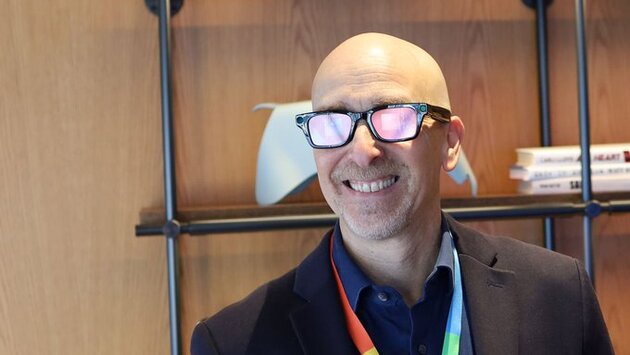
Google’s Android XR is finally stepping out of the shadows, bringing next-generation smart glasses closer to reality. After years of tentative experiments, including the Samsung Galaxy XR, the tech giant is now delivering prototypes that promise real-world usability. At the recent Android Show: XR Edition, Google unveiled two developer editions: a monocular and a dual-display model, giving a glimpse into wearable, take-anywhere AR powered by Gemini AI. Early impressions suggest these devices could redefine how we interact with digital content in daily life.
What sets Android XR apart is the integration of Gemini AI, Google’s advanced artificial intelligence engine. This allows the smart glasses to deliver contextual information, live translations, navigation cues, and media overlays seamlessly. Unlike earlier devices, which often felt gimmicky, the new prototypes demonstrate the practical side of augmented reality, making digital interactions feel natural rather than intrusive. For developers and early adopters, this AI integration opens doors for creating apps that respond intelligently to the user’s environment.
Google revealed two distinct prototypes at the event: a monocular design, which displays content on one lens, and a dual-display version, offering a more immersive experience. Both devices highlight Google’s commitment to flexible AR experiences, catering to different user needs. The dual-display model, in particular, mimics full-scale spatial computing, allowing graphics, notifications, and AR apps to overlay convincingly over the real world. The emphasis on developer editions indicates Google’s intention to foster a robust ecosystem before commercial release.
Android XR isn’t going it alone. Google partnered with Xreal to showcase Project Aura, a near-production-grade smart glasses experience. Project Aura demonstrates how Android XR can perform outside of a controlled lab setting, with a focus on comfort, style, and portability. Xreal’s frames integrate well with everyday wear, hinting that these devices could soon move beyond niche tech enthusiasts to mainstream adoption. The collaboration also underscores Google’s strategy of combining its software expertise with hardware partners to accelerate AR innovation.
From live translation during travel to overlaying real-time directions on city streets, the new Android XR prototypes show how AR can enhance daily life. Media consumption is also elevated, with the glasses capable of projecting video and photos into the wearer’s environment. Unlike previous smart glasses experiments that often felt like prototypes in search of purpose, Android XR emphasizes meaningful, context-aware experiences. This approach could make the technology more approachable and valuable to everyday users.
The debut of Android XR smart glasses represents a critical milestone for wearable technology. With AI-powered insights, practical AR applications, and sleek, user-friendly designs, these devices hint at a future where digital and physical worlds blend effortlessly. For developers, enthusiasts, and early adopters, the next year could see a surge in apps and content designed specifically for Android XR, setting the stage for widespread adoption.
While consumer availability is still on the horizon, Google’s prototypes signal a shift toward production-ready AR glasses. The partnership with Xreal, the inclusion of Gemini AI, and the dual-prototype approach all point to a carefully orchestrated rollout. Observers can expect more developer tools, app demonstrations, and possibly beta programs before a wider public release. For now, Android XR is no longer just a concept—it’s a tangible peek into the next era of wearable computing.








Comment