Amazon’s Bold Plan: From Shipping to a Billion-Dollar Service
Amazon is turning its massive shipping operation into another AWS, aiming to transform its delivery network into a paid service for other businesses. Just as Amazon Web Services (AWS) revolutionized cloud computing, the company now wants to do the same for logistics. This shift could reshape e-commerce, supply chains, and how companies ship products worldwide.
What Is Amazon’s Shipping-as-a-Service Model?
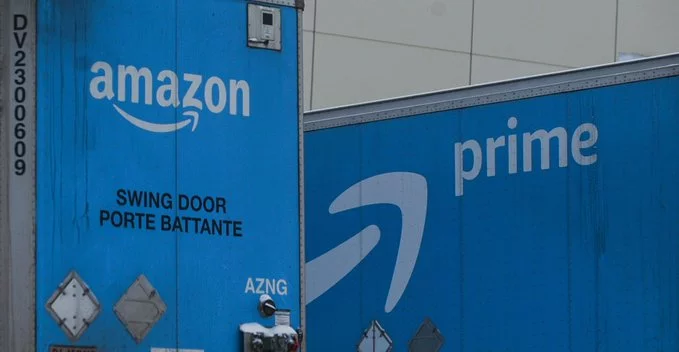
Amazon’s shipping operation, known as Amazon Logistics (AMZL), already handles millions of packages daily. Now, Amazon plans to open this network to third-party sellers, retailers, and even competitors. Instead of just shipping its own products, Amazon will offer delivery services to anyone willing to pay. Think of it as "AWS for shipping"—a scalable, reliable, and fast logistics platform.
Why Amazon Is Making This Move
Amazon has three main reasons for this strategy:
- New Revenue Stream: Shipping is expensive, but turning it into a service generates profit from existing infrastructure.
- Competitive Edge: FedEx and UPS face new pressure as Amazon offers faster, cheaper alternatives.
- Efficiency: Amazon’s data-driven system optimizes routes, reduces costs, and improves delivery speed.
How This Compares to AWS’s Success Story
In the early 2000s, Amazon built massive servers for its own website. Then it realized other companies needed the same power. AWS launched in 2006 and now generates over $80 billion annually. Similarly, Amazon built a world-class shipping network for its own orders. Now, it’s opening that network to others. The key difference? Shipping is physical, not digital. But Amazon’s scale and technology give it a unique advantage.
What This Means for Small Businesses
For small and medium-sized businesses, this could be a game-changer. Instead of negotiating with big carriers, they can access Amazon’s delivery speed and reliability. Benefits include:
- Lower shipping costs through bulk pricing
- Faster delivery times (even same-day or next-day)
- Real-time tracking and customer support
- Integration with Amazon’s marketplace and fulfillment centers
Challenges Amazon Must Overcome
Amazon’s plan isn’t without risks. The company faces regulatory scrutiny, especially on antitrust issues. Some critics argue Amazon could use its logistics dominance to crush smaller competitors. Additionally, building trust with non-Amazon businesses will take time. Delivery reliability, especially during peak seasons, remains a concern.
The Future of E-Commerce Logistics
If Amazon succeeds, the shipping industry will never be the same. We could see a world where Amazon handles deliveries for Walmart, Target, or even local grocery stores. This would create a unified logistics network, similar to how AWS powers most of the internet. For consumers, it means faster, cheaper, and more reliable deliveries.
Key Takeaways for E-Commerce Sellers
- Start preparing your business to use Amazon’s shipping services
- Monitor pricing changes and compare with traditional carriers
- Focus on customer experience—fast shipping boosts sales
- Stay informed about regulatory developments
Amazon’s shipping-to-service pivot is a bold move. It mirrors the AWS playbook, but with physical goods. Whether it becomes the next AWS or faces unexpected hurdles, one thing is clear: the logistics world is about to change dramatically.














Comment