
-
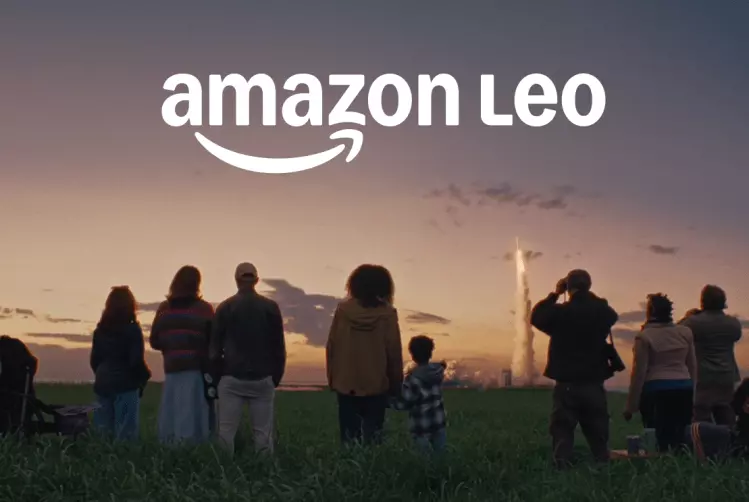
Amazon has taken a major step toward launching a global satellite cellphone network. On Saturday, the company filed an application with the FCC to deploy a new LEO constellation of 5,105 satellites. If approved, deployment will begin in 2028. The network will offer direct-to-device services including voice calls, messaging, data, and emergency connectivity — all using Globalstar’s spectrum.
This move positions Amazon to compete directly with SpaceX’s Starlink, which already offers similar direct-to-cell services through a partnership with T-Mobile. Amazon’s system will also work with mobile network operators to provide seamless satellite coverage for standard smartphones.
Earlier this year, Amazon announced its acquisition of Globalstar’s satellite network, taking over the deal that currently provides direct-to-device satellite services for Apple devices. The FCC filing confirms Amazon plans to “collaborate with Apple on future satellite services” using the expanded network. This could mean future iPhones and iPads will access Amazon’s satellite connectivity natively.
Beyond Apple, the application also includes a request to use spectrum assigned to Iridium’s satellite network outside the U.S., even as Rocket Lab progresses with its acquisition of Iridium. This highlights Amazon’s ambition to build a truly global infrastructure.
Amazon already operates Project Kuiper, its LEO broadband satellite constellation. The new direct-to-device constellation will be nearly double the size — 5,105 satellites vs. Kuiper’s planned 3,200. Amazon says over 375 Kuiper satellites have launched as of July 2. The new network will “complement” Kuiper’s broadband services, according to Amazon.
A key differentiator: Amazon says the new direct-to-device satellites “will process the signals in orbit before relaying them to improve performance.” This in-orbit processing could reduce latency and improve signal quality compared to traditional bent-pipe satellite architectures. The system is designed for low-latency voice and emergency services.
In addition to consumer use, the network will support disaster response and emergency messaging. This aligns with growing regulatory interest in making satellite connectivity a standard feature for public safety.
With a target deployment start of 2028, Amazon still needs FCC approval. The company faces stiff competition from Starlink’s existing direct-to-cell service (partnering with T-Mobile, Rogers, and others) and from emerging players like AST SpaceMobile (with AT&T and Vodafone).
For consumers, the promise is simple: no more dead zones. Your everyday smartphone could soon connect to a satellite without any special hardware. Amazon’s massive scale — over 5,000 satellites — suggests coverage could be broad and reliable.
As Amazon races to build its satellite empire, the next few years will determine whether its direct-to-cell vision becomes the new standard for mobile connectivity. Follow Stevie Bonifield for more updates on Amazon, space tech, and mobile news.

2.5K articles

1.4K articles

34 articles

28 articles










Comment