
Alerts
-
6 minutes, 28 seconds
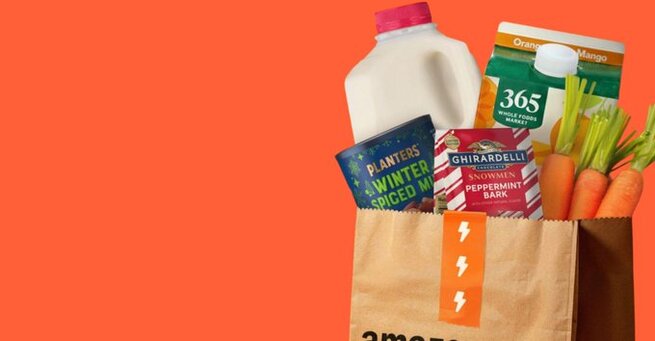
Amazon Now is rolling out a new ultra-fast delivery service that promises to get groceries, electronics, and household essentials to your door in 30 minutes or less. Many users searching for “Amazon Now availability,” “Amazon 30-minute delivery,” or “Is Amazon testing instant delivery?” will find their answers upfront: the company is officially piloting the feature in parts of Seattle and Philadelphia. The test brings Amazon into direct competition with leading quick-delivery apps, raising questions about speed, reliability, and how it fits into Amazon’s broader logistics strategy. Early adopters in the test zones can already order fresh produce, medicines, and small electronics through the main Amazon app. The rollout marks one of Amazon’s most aggressive attempts yet to dominate the ultra-fast delivery segment.
Unlike previous standalone services, Amazon Now is fully integrated into the existing Amazon shopping app. Customers in eligible zones will see a new “30-Minute Delivery” tab that shows whether their address qualifies. From there, users can browse curated essentials like milk, eggs, skincare items, and chargers—items typically needed last-minute. Deliveries can be tracked in real time, with built-in tipping options for drivers. The seamless app integration signals Amazon’s intent to reduce friction and increase user adoption quickly. By keeping everything under one app, Amazon also taps into its massive existing Prime user base.
Amazon Now introduces a new fee structure depending on membership status and order size. Prime members can get 30-minute delivery for as low as $3.99 per order, while non-Prime customers will pay $13.99. There’s also a small-order fee of $1.99 for baskets under $15, pushing users toward slightly larger carts. While the pricing is competitive compared to services like DoorDash or Instacart, it still reflects the premium convenience of getting items in under half an hour. Amazon appears to be positioning the service as an occasional “urgent need” solution rather than an everyday shopping option. Still, the low Prime fee may encourage frequent use among heavy Amazon shoppers.
To hit a consistent 30-minute window, Amazon Now relies on specialized micro-fulfillment centers located close to high-demand neighborhoods. These compact hubs store a small, high-turnover inventory designed specifically for rapid dispatch. Delivery drivers receive optimized routes targeting minimal travel time, a major shift from traditional warehouse fulfillment. This model mirrors strategies used by ultra-fast delivery competitors but benefits from Amazon’s massive logistics footprint. If the pilot succeeds, Amazon could roll out dozens of such hubs in major urban metros. The infrastructure signals Amazon’s strong commitment to winning the “instant delivery” race.
This isn’t Amazon’s first attempt to break into ultra-fast logistics. The company previously backed Kozmo, a one-hour delivery startup that burned through $60 million before shutting down in 2001. Later, Amazon launched Prime Now in 2014, offering two-hour delivery windows, only to fold it into the main app and discontinue the standalone service in 2021. The more recent Amazon Today same-day program met a similar fate, shutting down in 2024 despite continued same-day options for Prime members. These repeated pivots show how challenging the rapid-delivery category has been—even for Amazon. With Amazon Now, the company seems determined to finally crack the formula.
The launch puts Amazon head-to-head with DoorDash, Instacart, and other quick-commerce players aggressively expanding into instant delivery. Services like DoorDash DashMart and Instacart’s 30-minute grocery option have grown popular among urban users who value spontaneity and convenience. Amazon’s advantage lies in its existing Prime membership base, deep logistics infrastructure, and app familiarity. However, competing delivery apps have the benefit of local partnerships and strong food-delivery networks. The next few months will likely determine whether Amazon Now can scale fast enough to challenge these incumbents.
If Amazon Now performs well in Seattle and Philadelphia, the company could expand the service nationwide in 2026. The pilot serves as a real-world test of demand, labor efficiency, and profitability. Ultra-fast delivery remains a notoriously difficult business—high operational costs, tight timing, and narrow margins are common pain points. Yet Amazon’s willingness to revisit the model signals a broader ambition: becoming the default choice not only for same-day delivery but for “right-now” delivery. With consumer expectations rising, Amazon appears ready to redefine what fast truly means.










Comment