What Is the Musk v. Altman Case About?
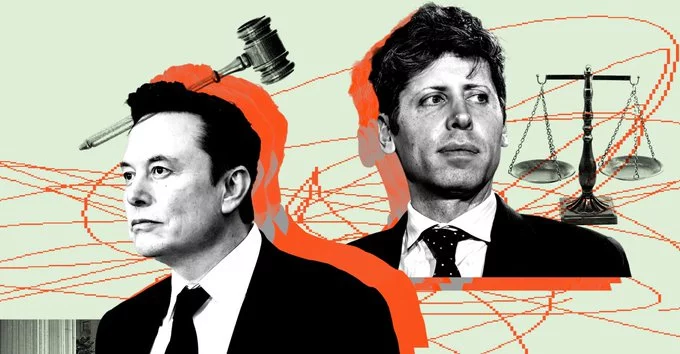
The legal fight between Elon Musk and Sam Altman has grabbed headlines. This article breaks down all the evidence unveiled so far in Musk v. Altman. We explain the key documents, claims, and what they mean for the future of AI.
Simply put, Musk accuses Altman and OpenAI of betraying their original mission. That mission was to develop artificial intelligence safely and openly for everyone. Now, Musk says OpenAI is a for-profit company controlled by Microsoft. Let's look at the proof.
Key Evidence That Has Emerged
Here is the main evidence both sides have presented in court filings and public statements.
1. Internal Emails and Messages
The most powerful evidence so far is a series of emails between Musk, Altman, and other founders. These emails show:
- Early disagreements on profit: Musk wanted OpenAI to stay non-profit. Altman argued that a for-profit structure was needed to raise billions of dollars for AI research.
- Musk's proposed merger with Tesla: In 2018, Musk suggested merging OpenAI with Tesla. Altman refused, saying it would slow down progress.
- Promises of transparency: Early emails include promises to keep AI research open and not to hide technology behind patents. Critics say OpenAI broke these promises.
2. The Original Founders' Agreement
The founding document of OpenAI (from 2015) stated the company would be a non-profit. Musk's legal team argues this document is a contract. They say Altman violated it by creating a for-profit arm. OpenAI's lawyers say the agreement was not a binding contract—it was just a mission statement.
3. Financial Disclosures
Court filings reveal that OpenAI has received over $13 billion from Microsoft. Musk's team says this makes OpenAI a "closed-source subsidiary" of Microsoft. They point to the fact that OpenAI's most powerful AI models (like GPT-4) are now proprietary. This is a big shift from the original open-source vision.
4. Altman's Public Statements vs. Private Actions
Evidence shows Altman publicly promised safety and openness. But privately, he pushed for rapid commercialization. For example:
- Public: "We must ensure AI benefits all of humanity."
- Private: Emails show he worried about competitors like Google stealing the lead. He believed speed was more important than openness.
What Does This Mean for the Case?
The evidence is still being gathered. Here are the three possible outcomes:
- Musk wins: The court could order OpenAI to return to a non-profit model and share its technology openly.
- Altman wins: The court could rule that OpenAI's shift to for-profit was legal and necessary.
- Settlement: Both sides could agree to a deal, like Musk getting a seat on OpenAI's board or access to its technology.
Why This Matters for You
This case is not just about two billionaires fighting. It will decide who controls the most powerful AI in the world. If Musk wins, AI might become more open and safe. If Altman wins, AI development will likely stay fast, secretive, and profit-driven.
Stay tuned as more evidence comes to light. The next court hearing is expected in late 2025.













Comment