
Alerts
-
6 minutes, 12 seconds
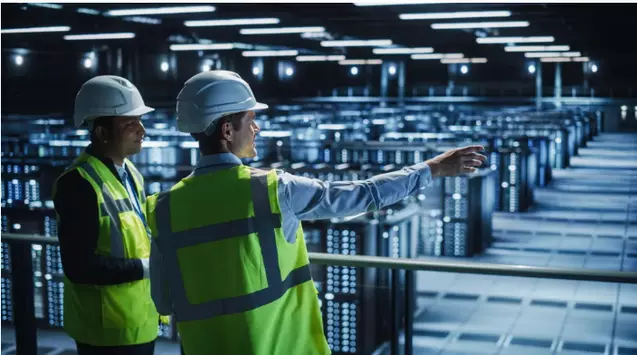
The AI jobs report is challenging a common concern: is artificial intelligence destroying jobs or creating them? While predictions about AI-driven unemployment continue, recent employment data shows new opportunities emerging in unexpected places. Growth is especially visible in construction, engineering, and skilled trades tied to AI infrastructure. Demand for data centers and power systems is driving hiring that technology alone cannot fulfill. These roles require physical labor, technical expertise, and long-term project management. The result is a labor shift rather than a simple job loss narrative. AI is reshaping work in ways many did not anticipate.
One of the strongest signals in the latest jobs data comes from construction tied to data center expansion. Thousands of new positions were added as companies scale facilities to support AI processing and storage needs. These projects involve complex planning, permitting, and on-site execution that automation cannot replace. As AI demand accelerates, the need for human labor in building physical infrastructure grows alongside it. Construction teams, project managers, and site specialists are becoming essential to the technology ecosystem. Hiring momentum reflects how digital transformation still depends on physical systems. The growth is both immediate and long-term.
Skilled trade workers are among the biggest beneficiaries of the AI infrastructure boom. Electricians, HVAC technicians, plumbers, welders, and construction managers are in high demand as new facilities come online. These roles form the backbone of building and maintaining data centers and power systems. Analysts tracking payroll data across thousands of businesses report stronger hiring patterns in regions hosting AI infrastructure projects. The demand is especially concentrated in areas where large data centers are under development. Traditional trades are experiencing renewed relevance in a digital-first economy. AI is increasing demand for hands-on expertise.
Regions experiencing AI-driven construction are seeing noticeable wage increases across several trades. Median pay for many blue-collar roles is higher in areas where data center development is concentrated. Certain specialties, including plumbing and pipefitting, are commanding particularly strong premiums. Construction managers and technical specialists are also benefiting from increased compensation. Employers are competing for talent to keep projects on schedule. These wage gains reflect how infrastructure demand translates into economic opportunity. The impact extends beyond tech companies into local labor markets.
The rapid expansion of AI systems requires massive increases in energy capacity. Data centers depend on stable power sources, cooling systems, and continuous maintenance. Building and sustaining this infrastructure requires coordination across utilities, engineering firms, and construction teams. Energy demands are projected to rise significantly as AI adoption scales globally. This creates additional employment opportunities beyond the technology sector itself. Jobs linked to power generation, facility management, and grid modernization are expanding. AI growth is reshaping the entire industrial ecosystem.
Public conversation often focuses on AI’s impact on office-based roles, especially administrative and analytical work. At the same time, physical and technical professions are gaining stability and momentum. The contrast highlights a shifting labor balance rather than a universal decline. Workers in hands-on fields are finding new relevance as digital infrastructure expands. Meanwhile, knowledge-based roles face greater uncertainty as automation evolves. This divergence is redefining how opportunity spreads across the workforce. AI is redistributing demand instead of eliminating it entirely.
The broader takeaway from the AI jobs report is not just growth, but transformation. Technology is creating entire categories of work tied to infrastructure, maintenance, and system support. These roles require training, certification, and on-site expertise. Communities hosting data center projects are experiencing ripple effects in employment and wages. Local economies benefit as supply chains expand to support construction and operations. The shift illustrates how innovation often produces indirect job creation. Labor markets are adapting in real time.
The long-term impact of AI on employment will depend on how workers and institutions respond. Training programs, apprenticeships, and workforce development initiatives will be critical in preparing talent for emerging roles. Employers are already rethinking hiring strategies to meet infrastructure needs. Policymakers and educators face pressure to align skills development with evolving demand. For workers, adaptability will remain the defining advantage. The AI era is not eliminating work but reshaping where and how it happens. The next phase of job growth may come from places few initially expected.










Comment