
Alerts
-
5 minutes, 27 seconds
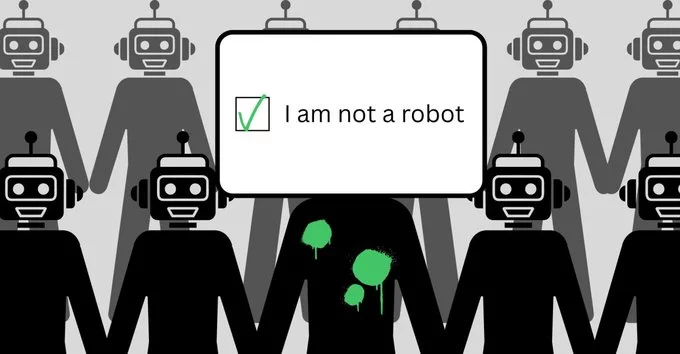
Searches for “AI-free content label” and “how to prove content is human-made” are rising fast—and for good reason. Creators across industries want a clear way to show their work wasn’t generated by artificial intelligence. But while the demand for an “AI-free” label is growing, no one can agree on what it should look like, how it works, or whether it’s even possible to enforce.
Digital creators are increasingly worried about being mistaken for AI. Writers, artists, and designers are seeing audiences question whether their work is original or machine-generated. That uncertainty is pushing many to advocate for an “AI-free” label—a simple badge that signals authenticity.
The idea sounds straightforward, but the motivation runs deeper. For many, it’s about preserving trust and protecting creative identity. When audiences believe content is human-made, it carries emotional weight and originality that AI struggles to replicate. Without that distinction, creators fear their work could lose value in a crowded, AI-saturated market.
Despite growing interest, defining “AI-free” is proving incredibly difficult. Does it mean no AI tools were used at all? Or does it allow minor assistance, like grammar correction or brainstorming tools? These gray areas are fueling disagreements among creators themselves.
Some argue for strict rules—no AI involvement whatsoever. Others take a more flexible stance, suggesting that limited use of AI shouldn’t disqualify a piece from being considered human-made. Without a shared definition, any label risks being inconsistent or misleading.
This lack of clarity makes it harder to build trust with audiences. If every creator interprets “AI-free” differently, the label could quickly lose meaning.
Even if a definition were agreed upon, proving content is truly AI-free presents another challenge. Unlike traditional certifications, there’s no reliable system to verify whether AI tools were used during the creative process.
Technologies designed to detect AI-generated content are far from perfect. They can produce false positives or fail to catch subtle AI assistance. That means creators could be wrongly flagged—or falsely validated—undermining confidence in any labeling system.
Some have suggested blockchain-based tracking or detailed creation logs as solutions. However, these approaches can be complex, time-consuming, and impractical for everyday creators. For now, verification remains one of the biggest obstacles.
Social platforms are also playing a role in this debate. As AI-generated content becomes more common, audiences are becoming more skeptical. Viewers, readers, and buyers increasingly want transparency about how content is created.
This shift is putting pressure on creators to disclose their process. However, without standardized guidelines, disclosures vary widely. Some creators openly label their work, while others avoid the topic altogether, fearing backlash or confusion.
At the same time, platforms themselves have yet to implement consistent policies around AI labeling. That leaves creators navigating the issue on their own, often without clear direction.
The push for an AI-free label reflects a broader cultural moment. People are grappling with how to value human creativity in an age where machines can produce content instantly. While the concept is appealing, turning it into a practical, trustworthy system will take time.
Collaboration may be the key. Creators, platforms, and technology experts will likely need to work together to define standards and build reliable verification methods. Until then, the idea of an “AI-free” label remains more of a goal than a reality.
For now, one thing is clear: the demand for authenticity isn’t going away. As AI continues to evolve, the question isn’t just whether content is human-made—it’s how we prove it in a way everyone can trust.









Comment