Alerts

-
3 minutes, 0 seconds
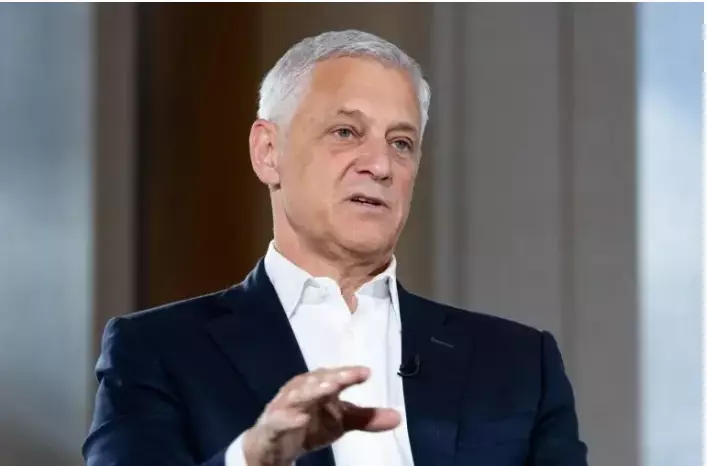
A CEO called his employees ‘lower-value human capital’ during an interview, and the backlash was immediate. Bill Winters, the CEO of Standard Chartered, made this mistake while explaining the bank's shift to AI. His apology offers a powerful emotional intelligence lesson for leaders everywhere.
While defending the bank's use of AI, Winters said the change wasn't just about cutting costs. He explained that the bank was replacing “lower value, human capital” with financial investments. The phrase landed badly. Employees and the public saw it as cold and disrespectful.
Winters later apologized on LinkedIn. He shared the full transcript of his remarks and said, “For that I am sorry.” But many felt the apology was shallow. He explained his reasoning but didn't truly acknowledge the hurt his words caused.
This situation is a classic example of a failure in relationship management, which is a key part of emotional intelligence (EI). EI is the ability to understand and manage your own emotions and the emotions of others. It has four skills:
Winters missed the mark on relationship management. He focused on being right about his business decision, ignoring how his words made his team feel. As EI expert Dr. Travis Bradberry might say, he “won the battle but lost the war.”
Winters apologized on the surface, but then he doubled down. He republished the offensive line and explained his context. This felt like justification, not accountability. Employees heard: “I'm sorry you're upset, but I was right.”
A strong apology needs two things:
Without acknowledgment, context feels defensive. Without context, acknowledgment feels fake.
The real lesson from this CEO calling employees ‘lower-value human capital’ is simple: Don't just announce your decision—explain it with empathy.
If you explain your reasoning up front, in a caring way, people will understand. They might not agree, but they will feel respected. Winters explained after the fact, and he refused to show empathy. That made things worse.
Imagine a manager ending a project a team worked on for months:
Research backs this up. In their Harvard Business Review article “Fair Process,” W. Chan Kim and Renée Mauborgne found that people accept hard outcomes when the process feels fair. Psychologist Tom Tyler's work on procedural justice shows that how a decision is made builds trust as much as the decision itself.
Next time you make a tough decision—at work or at home—ask yourself: Am I explaining my hard choice, or just announcing it? People can live with what they understand. What they cannot live with is being left in the dark or feeling disrespected.
This CEO's emotional intelligence lesson is for every leader. Words matter. Acknowledge feelings. Explain your reasoning. And always remember that trust is built through empathy, not just logic.










Comment