Alerts

-
7 minutes, 22 seconds
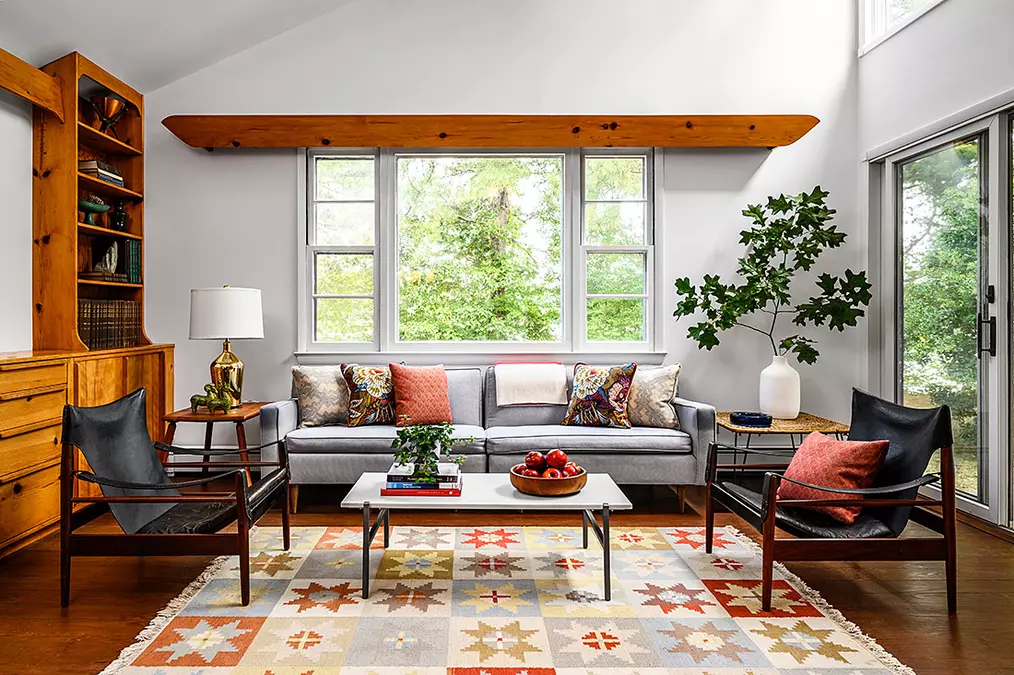
Mid-century modern furniture remains popular because it combines practical design with a distinctive visual character that feels both timeless and approachable. Emerging primarily during the middle decades of the 20th century, this style introduced cleaner silhouettes, functional forms, and innovative materials into everyday interiors. For beginners, understanding its defining features makes it easier to recognize authentic pieces and create a cohesive room. Whether furnishing an entire home or updating one space, mid-century modern furniture can provide warmth, simplicity, and personality without making a room feel overly decorated.
Mid-century modern design generally refers to furniture and interiors associated with the period from roughly the 1940s through the 1960s, although the exact boundaries can vary among designers and historians. The movement was influenced by modernist principles that emphasized functionality, simplicity, and thoughtful construction. Designers experimented with wood, molded plywood, plastics, metal, glass, and new manufacturing techniques to create furniture suitable for contemporary lifestyles. Instead of relying on excessive ornamentation, many pieces allowed their proportions, materials, and construction details to become the main decorative elements.
One of the easiest ways to identify mid-century modern furniture is to look at its overall shape. Many pieces feature straight or gently curved lines, tapered legs, low profiles, and carefully balanced proportions. Furniture was designed to serve a purpose while maintaining an uncluttered appearance. Natural wood grain often provides warmth against simpler surfaces, while upholstery introduces color and texture. This balance between practicality and visual appeal is one reason the style continues to work well in modern homes.
Clean lines are among the most recognizable characteristics of mid-century design. Sofas, chairs, cabinets, and tables often have streamlined silhouettes without unnecessary decorative details. Tapered wooden legs can create a sense of lightness, allowing furniture to appear less bulky within a room. Organic curves are also common, particularly in seating and molded forms. The result is furniture that can feel visually simple while still having enough character to become a focal point.
Materials are another important part of the style. Teak, walnut, oak, and other woods were widely appreciated for their natural appearance and durability. Designers also incorporated materials such as fiberglass, molded plastic, leather, brass, chrome, and glass. Rather than hiding these materials, many designs highlight their individual qualities. When choosing mid-century modern furniture today, pay attention to wood grain, joinery, hardware, upholstery quality, and overall construction, as these details can help distinguish a well-made piece from a cheaply produced imitation.
Color can also help establish a mid-century atmosphere. While neutral shades such as cream, beige, brown, gray, and white create a calm foundation, the style is often associated with carefully chosen accent colors. Mustard yellow, olive green, burnt orange, deep blue, and warm red can add visual interest without overwhelming the room. The goal is usually balance rather than filling every surface with color. A neutral sofa paired with a colorful lounge chair or a walnut cabinet can create a recognizable mid-century look without making the space feel like a historical reproduction.
Several designers became closely associated with the development and popularization of mid-century furniture. Charles and Ray Eames created influential seating designs that explored molded materials, comfort, and efficient production. Their work demonstrated that functional furniture could also have a strong sculptural presence. George Nelson was another important figure, known for furniture and interior products that embraced geometric forms and practical innovation. These designers helped establish a design language that remains recognizable decades after the original pieces were created.
Hans Wegner, Arne Jacobsen, and Eero Saarinen also produced designs that strongly influenced mid-century interiors. Wegner was celebrated for refined wooden seating, while Jacobsen developed distinctive chairs with elegant organic shapes. Saarinen challenged conventional furniture forms with designs that reduced visual clutter and emphasized smooth curves. For beginners, studying these designers can be useful because their work demonstrates how proportions, materials, ergonomics, and manufacturing methods shaped the period's furniture.
Iconic designs can be attractive additions to a collection, but buyers should look beyond a famous name. A piece should suit the room, meet practical needs, and be in an appropriate condition for its intended use. Vintage furniture may show signs of age, including scratches, fading, replaced hardware, or repaired joints. These characteristics do not automatically reduce its value, but they should be understood before purchasing. Careful examination of construction, labels, materials, dimensions, and restoration history can help buyers make informed decisions.
The dining area is one of the easiest places to introduce this design style because tables and chairs naturally emphasize its characteristic proportions and materials. Mid-century dining furniture often combines simple tabletops with elegant legs, while dining chairs may feature curved backs, upholstered seats, or sculptural wooden frames. A walnut or teak table can establish a warm foundation, while lighter upholstery can keep the room feeling open. The key is to choose pieces that complement one another without requiring every item to come from the same collection.
When selecting a dining table, consider both dimensions and daily use. A beautiful table can become inconvenient if there is insufficient space for chairs, walking paths, or serving areas. Measure the room before purchasing and think about how many people regularly sit at the table. Chairs should provide adequate back support and comfortable seating for the length of a typical meal. Mixing vintage and contemporary pieces can also work effectively, particularly when they share similar wood tones, shapes, or visual proportions.
Lighting and accessories can reinforce the dining room's character without competing with the furniture. Pendant lights with rounded, geometric, or minimalist forms often complement the style, while simple artwork and carefully selected decorative objects can provide personality. Avoid filling every open surface with accessories. Mid-century interiors generally benefit from breathing room, allowing furniture silhouettes and natural materials to remain visible. This approach also makes the dining area easier to maintain and adapt as personal tastes change.
A common mistake for beginners is assuming that a mid-century room must look like a perfectly preserved 1950s or 1960s interior. Contemporary spaces can incorporate the style in a more flexible way. For example, a modern sofa can sit beside a vintage wooden coffee table, while contemporary artwork introduces contrast. Rugs, plants, ceramics, and textiles can soften the clean lines of furniture. Combining different periods thoughtfully often produces a more personal interior than purchasing an entire matching set.
Scale is particularly important when arranging these pieces. Many mid-century designs have relatively low profiles, so placing several oversized furnishings in the same room can disrupt the intended sense of openness. Leave enough space between major pieces for comfortable movement and visual separation. If a room already contains strong architectural features, choose furniture with simpler forms so the overall design remains balanced. The best arrangements usually feel intentional without appearing overly coordinated.
Whether purchasing vintage furniture or a modern reproduction, research should come before spending money. Examine photographs carefully when shopping remotely and inspect joints, surfaces, upholstery, drawers, doors, and hardware whenever possible. Ask about the item's age, condition, restoration, and materials rather than relying only on the phrase "mid-century." Reproductions can provide the appearance of classic designs at a lower price, while authentic vintage pieces may offer historical character and original craftsmanship. Understanding the difference helps buyers choose according to their priorities and budget.
Proper care can significantly extend the useful life of wooden and upholstered furniture. Keep wooden surfaces away from prolonged direct sunlight and excessive moisture, and use suitable cleaning products rather than harsh chemicals. Address loose joints or damaged hardware promptly before small problems become more serious. Upholstered pieces should receive routine vacuuming and professional cleaning when appropriate for their fabric. With thoughtful maintenance, quality mid-century furniture can remain functional and attractive for many years.
Mid-century modern furniture works particularly well when its defining principles are understood rather than copied rigidly. Focus on clean silhouettes, functional design, natural materials, comfortable proportions, and a controlled mix of colors. A room does not need dozens of period-specific pieces to communicate the style. One distinctive lounge chair, a well-designed sideboard, or a carefully chosen dining table can establish the foundation while contemporary furnishings keep the space practical for today's lifestyle.
For beginners, the most important lesson is to choose furniture based on quality, comfort, scale, and personal preference rather than appearance alone. Mid-century modern design has remained influential because it connects everyday usefulness with thoughtful aesthetics. Whether you begin with mid-century dining furniture, a vintage cabinet, or a simple accent chair, each carefully selected piece can contribute to a comfortable and character-filled home. By learning the movement's history and recognizing its key characteristics, you can build an interior that feels authentic while still reflecting the way you live today.


8.4K articles

2.8K articles

1.6K articles

34 articles







Comment