Alerts

-
3 minutes, 2 seconds
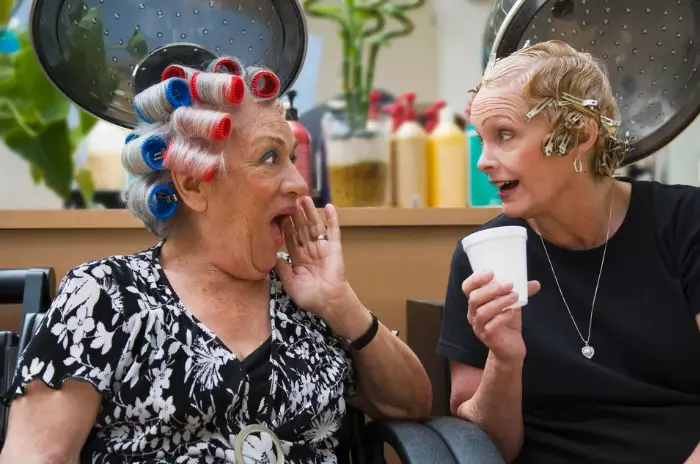
Yes, it can. The secret isn't talking about the weather. It's about using small talk strategies that move from surface-level chat to real connection. After studying professional relationships for 25 years, I've found that most people make the same subtle mistakes. Here are five proven ways to turn small talk into a trust-building tool.
When someone asks, “How was your weekend?” your first instinct is to say, “Good, thanks.” That kills the conversation. The other person has nothing to respond to.
Try this instead: “Good! I finally cleaned my garage and found four hammers. How about yours?”
That small detail gives the other person something real to work with. Research shows that people who share personal information are liked more, especially in first meetings. You don't need to overshare—just offer one concrete thing that's slightly more interesting than “fine.”
Nothing builds relationships faster than showing you remember. Most people treat every chat as brand new. But when you say, “How did your daughter's soccer tournament go?” you signal that this person matters to you.
This small act creates what researchers call relational energy—the feeling of vitality that comes from quality interactions. Make it a habit: after a conversation, jot down one detail. For example, “Lisa—son starting college” or “Tom—training for marathon.” Next time, you have a natural conversation starter.
Most people think they're good listeners, but they're just waiting for their turn to talk. Instead, master the follow-up question. If someone mentions hiking, don't just nod. Ask, “Where did you go?” or “Are you training for something?”
The pattern is simple: question → answer → acknowledge → one deeper follow-up question. This shows real curiosity and builds rapport fast.
One reason people dread small talk is they don't know how to end it. Look for signals: someone glances at their phone, turns their body away, or mentions needing to do something. Exit smoothly with:
Knowing when to exit respects both the relationship and the work. Research shows that small talk can be distracting from tasks, so timing matters.
Small talk isn't the same with your boss versus a peer. Here's how to handle it:
Small talk isn't really about weather or weekend plans. It's a trust-building ritual that shows you can handle normal human interaction. When you add specificity, remember details, ask follow-up questions, exit gracefully, and adjust for power dynamics, you're showing the interpersonal skills that build every successful professional relationship. That's not a small skill—it's essential.










)
)
Comment