What Does It Really Mean to Lead with Your Values?
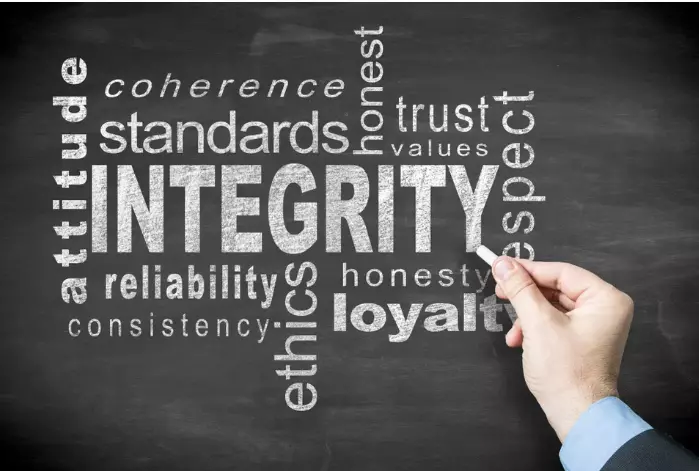
To clarify your values and lead without compromise, you must first separate what you truly stand for from what you think others want to hear. Many leaders claim values like "integrity" or "innovation," but their daily decisions tell a different story. According to Columbia Business School professor Paul Ingram, values are not just words on a wall—they are measurable, actionable, and powerful predictors of satisfaction and performance. In this guide, you'll learn a simple, research-backed framework to identify your real values, test them under pressure, and use them to make better decisions.
Why Most People Get Their Values Wrong
Here's an uncomfortable truth: many of the values people claim aren't truly their own. They are aspirational or borrowed from others. Ingram explains, "To start, recognize that values can be aspirational. My own top value is 'inner peace.' I'm not sure I have ever achieved it, but I know I want to. The trap is claiming a value not because we truly want it, but because others admire it."
The key is to distinguish between authentic values and social signals. The only reliable way to do this is to confront trade-offs directly.
How to Find Your Real Values: The Trade-Off Test
Ask yourself: Would you rather work on a project that allows you to be creative, or one that helps people? Imagine how each choice feels in your body. Your true values feel better than the alternatives. That gut feeling reveals what you actually stand for.
- Reflect on past experiences: Think of your most satisfying work moment in the last year. What made it satisfying? Keep asking "what else?" until you find the core value.
- Examine your current priorities: What project matters most to you right now? What does it represent? The "why" behind your choices is your value.
How Clarity Helps You Lead Without Compromise
When your values are clear, you are more likely to act on them—even under pressure. Ingram advises: "Clarify your top values, keep the list handy, and consult it when you feel pressure to compromise."
Clarity is not philosophical; it is operational. Move beyond generalities. Define your values with precise words and rank them by importance. Without a ranking, hard decisions become guesswork.
Use the Power of Words to Activate Your Values
Values are part of embodied cognition—what you think is tied to what you feel physically. The right word doesn't just describe a value; it activates it. For example, if "freedom" is your top value, saying it aloud can boost your motivation and resilience.
A Simple System to Make Value-Based Decisions
Once you know your top five to eight values, you can use them to score your options. For example, when choosing between two jobs:
- Score Job A against each of your top values (1-10).
- Do the same for Job B.
- The higher total score predicts which choice will bring you more satisfaction.
This method works because values alignment is a stronger driver of job satisfaction than compensation. Ingram's research found that a two-standard-deviation increase in values alignment has the same effect on staying in a job as a 40% pay raise.
Why Company Values Often Fail—and How to Fix Them
Many corporate values initiatives fail because they are performative. Ingram says, "Ask employees what the 'official' values are. If they can't tell you, the values are not shaping the culture. Even worse, if they roll their eyes, it's a sign of cynicism."
Effective company values meet two conditions:
- Resonance: Employees look at the values and feel they match their own, even if the wording is different.
- Reinforcement: Values are translated into expected behaviors and built into feedback, hiring, and promotions.
How to Build Values That Stick
The ideal process is both top-down and bottom-up. Leaders define values based on strategy, but they also gather input from employees. Ask employees which value statements they think are most true and useful. This gives them a voice, not a vote, and ensures the values will be accepted.
Final Takeaway: Values Are a Discipline, Not a Slogan
When you can define, test, and measure your values, misalignment becomes a choice. In a world of constant pressure and unavoidable trade-offs, the leaders who thrive are not the ones with the most impressive value statements. They are the ones who know—with unusual precision—what they are and are not willing to stand for.














Comment