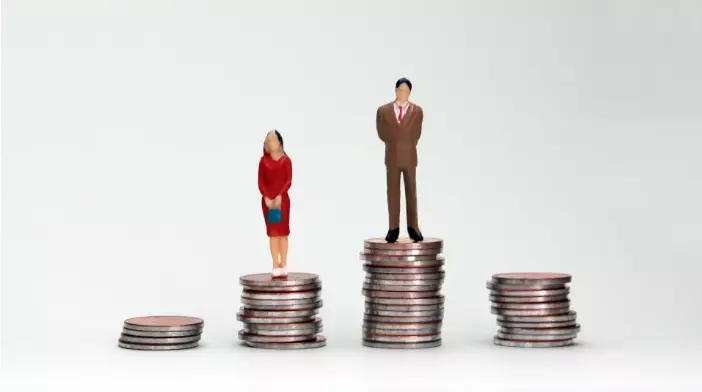
Most women today recognize that the gender pay gap exists—but far fewer believe it affects their own paycheck. That disconnect is more than perception; it’s a key reason pay inequality continues. A recent study of over 900 employees in advertising agencies found that while awareness is high, personal acknowledgment is low. This gap between belief and experience creates a dangerous blind spot in workplaces. When individuals don’t see themselves as affected, they’re less likely to question or challenge disparities. And without that pressure, inequities quietly persist. Understanding this psychological divide is critical to closing the gender pay gap for good.
Study Reveals Persistent Pay Inequality Across Roles
Even after controlling for factors like education, experience, and working hours, the study found clear evidence of a gender pay gap. Mothers earned significantly less than men annually, while women without children also faced notable disparities. Over the span of a career, these differences compound into substantial financial losses. The findings highlight that pay inequality isn’t just about life choices or qualifications—it’s systemic. Despite progress in workplace equality, compensation gaps remain deeply embedded. This reinforces the need for organizations to reassess how salaries are structured and justified. Without structural change, the numbers are unlikely to shift.
Why Women Don’t Believe the Pay Gap Affects Them
While nearly all women surveyed acknowledged the existence of the gender pay gap, only a small percentage believed it applied to them personally. This contradiction isn’t new; research has long shown that people often recognize discrimination in general but distance themselves from it individually. One reason is psychological—believing you’re unaffected helps maintain a sense of control over your career. Admitting otherwise can feel disempowering or even risky in professional environments. There’s also a social factor, where raising concerns about pay may lead to being labeled negatively. Together, these influences create a powerful barrier to self-advocacy.
The Hidden Cost of Pay Secrecy in Workplaces
A major driver of this blind spot is the lack of pay transparency. In many organizations, employees rarely discuss salaries, making it difficult to identify disparities. In the study, only a small portion of workers shared pay information across genders. Without clear benchmarks, individuals assume their compensation is fair—even when it isn’t. This culture of silence benefits organizations more than employees, as it reduces accountability. When pay remains hidden, inequities can continue unchecked for years. Transparency, on the other hand, exposes gaps and forces conversations that lead to change.
How Misperception Keeps the Gender Pay Gap Alive
Believing you’re paid fairly has real consequences—it reduces the likelihood of negotiating for better compensation. Research consistently shows that employees who feel adequately paid are less likely to ask for raises. For women, this perception becomes self-reinforcing: underestimating inequality leads to fewer negotiations, which results in lower pay over time. Beyond individual actions, collective change also suffers. People are less likely to challenge systemic issues if they don’t feel personally impacted. This creates a cycle where the gender pay gap continues largely unchallenged. Breaking that cycle starts with shifting perception into awareness.
Pay Transparency: The Fastest Path to Change
One of the most effective ways to address pay inequality is through transparency. When employees understand what others earn, disparities become visible and harder to ignore. Organizations that embrace open pay structures often see more equitable outcomes. Transparency not only empowers individuals but also holds leadership accountable for fair compensation practices. However, many companies still resist full transparency, leaving employees to navigate the issue themselves. In such environments, proactive conversations become essential. Talking openly about pay may feel uncomfortable, but it’s often the first step toward fairness.
Why Understanding Pay Structures Matters
Another overlooked issue is how little employees know about how their pay is determined. Many workers lack clarity on salary frameworks, promotion criteria, and compensation decisions. This knowledge gap makes it nearly impossible to identify unfair treatment. Without understanding the system, employees can’t effectively question or challenge it. For women in particular, this lack of insight is even more pronounced. Gaining visibility into how pay is structured is a critical step toward equity. It transforms uncertainty into informed action.
The Bottom Line: What You Don’t Know Costs You
The gender pay gap persists not because people deny it exists, but because too few recognize its personal impact. Awareness alone isn’t enough—visibility and action are what drive change. When employees understand their value, compare compensation, and speak up, the dynamics begin to shift. Organizations, in turn, are forced to address disparities more directly. Closing the gap requires both individual courage and systemic transparency. Until then, what remains hidden will continue to cost millions over time.














Comment