The Fitbit Personal Health Coach is now rolling out to iOS, bringing AI-powered wellness insights to iPhone users across several major markets. Developed by Google under the Fitbit brand, the feature uses biometric data to deliver personalized recommendations and daily health guidance. After launching first on Android, it is now reaching users in the U.S. and expanding to countries including the U.K., Canada, Australia, New Zealand, and Singapore. The move signals a broader push toward making data-driven wellbeing tools accessible across platforms. It also reflects how AI is becoming central to everyday health management, not just performance tracking. For many users, the shift turns wearables into real-time decision tools rather than passive trackers.
Why The iOS Expansion Changes The Health Tech Landscape
The arrival of the feature on iOS removes a major barrier for millions of users who rely on Apple devices. Historically, ecosystem differences limited who could access early AI health innovations and how quickly they spread. With cross-platform support, adoption is expected to accelerate among professionals, athletes, and everyday users. Many people already collect health data but struggle to interpret what it means for their routines. By translating metrics into guidance, the tool bridges that gap between tracking and understanding. This expansion shifts the conversation from device loyalty to outcomes and usability.
What The Fitbit Personal Health Coach Actually Does
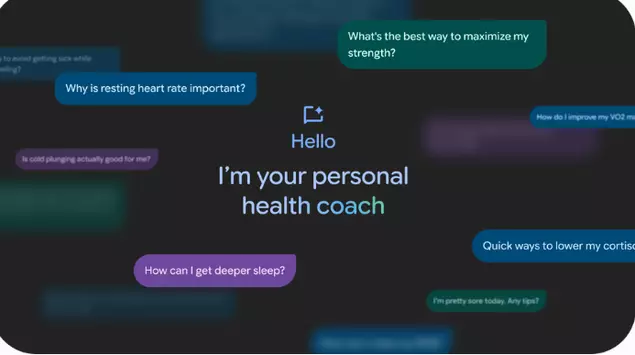
At its core, the Fitbit Personal Health Coach analyzes signals like sleep, heart rate, activity levels, and readiness scores to provide actionable insights. Instead of showing raw numbers, it explains patterns and offers context tailored to each individual. Users can ask questions about fatigue, recovery, or performance and receive guidance based on their own data. The system adapts recommendations week by week as behaviors and goals evolve. This dynamic approach makes it feel less like a dashboard and more like a personal guide. Over time, the coach builds a clearer picture of how habits influence energy and wellbeing.
AI Turns Wearables From Tracking To Coaching
Wearable devices once focused mainly on step counts and activity logs, but AI is reshaping their purpose. The Fitbit Personal Health Coach moves beyond measurement to interpretation and guidance. It initiates suggestions after workouts, flags recovery needs, and highlights patterns users might miss. This proactive design helps people make informed decisions rather than guessing when to push harder or rest. The result is a more sustainable approach to fitness and productivity. It also aligns health technology with real life, where routines constantly shift.
Short Workouts And Daily Habits Get A Boost
The tool supports a growing body of research showing that short, consistent workouts can improve energy and focus. Even brief sessions—such as stretching, walking, or quick strength exercises—can reduce fatigue when repeated throughout the day. The AI coach reinforces these habits by adjusting recommendations based on real-time performance data. This helps users stay consistent without needing long gym sessions. Over time, small actions accumulate into measurable improvements in stamina and mental clarity. The emphasis shifts from intensity to sustainability and balance.
Beyond Fitness: Supporting Health Awareness
The potential of the Fitbit Personal Health Coach extends beyond productivity and athletic performance. For individuals managing ongoing health concerns, continuous insights can reduce uncertainty between medical visits. The system highlights sleep consistency, recovery trends, and heart rate patterns that might otherwise go unnoticed. It encourages users to ask better questions and track progress more consistently. While it does not replace professional medical advice, it strengthens awareness and engagement. That awareness often becomes the foundation for long-term health improvements.
Who Can Access The Feature And How It Works
The rollout currently targets Fitbit Premium users with compatible devices and updated apps. Users must run recent versions of the Fitbit app on supported Android or iOS systems. Devices capable of tracking advanced metrics such as cardio load enable the most detailed insights. Once activated, the coach integrates seamlessly into daily routines, offering prompts and feedback throughout the day. Its conversational design allows users to interact naturally rather than navigating complex dashboards. This simplicity is key to making AI health tools practical for everyday use.
The Bigger Shift Toward Personalized Health Intelligence
The expansion signals a broader transformation in how people engage with wellness technology. Wearables are evolving from passive trackers into intelligent systems that guide daily decisions. As AI continues to interpret biometric data, the focus is moving toward prevention, recovery, and sustainable performance. With iOS users now included, personalized coaching is reaching a much wider audience. Professionals, parents, and athletes alike gain access to insights once limited to specialized tools. In a fast-paced world where burnout and health risks remain high, this kind of adaptive support may become essential rather than optional.














Comment