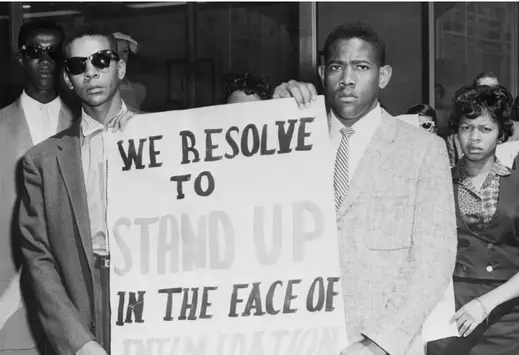
Black resistance offers practical lessons for workers navigating shifting workplace expectations, equity debates, and organizational change. Many employees are asking how to advocate for fairness, protect their voice, and sustain progress during periods of pushback. History provides a roadmap: collective action, documentation, and strategic influence have long driven change. These approaches remain relevant in modern offices, unions, and corporate environments. Instead of inventing new strategies, workers can learn from proven movements that shaped civil rights and labor protections. The legacy of Black resistance shows how persistence, unity, and awareness create lasting transformation. It reframes workplace advocacy as part of a broader continuum of progress.
Coalition building in Black resistance and workplace advocacy
Coalition building has always been a cornerstone of resistance and social progress. Leaders and communities historically united across identities to pursue shared goals and amplify influence. In workplaces, this approach translates into employees organizing around common concerns like pay transparency, fair promotion pathways, and inclusive policies. Collaboration increases credibility and makes it harder for systemic issues to be ignored. Shared purpose also builds trust among colleagues who might otherwise operate in silos. When workers align their voices, change becomes more achievable and sustainable. This collective momentum reflects lessons passed down through generations of coordinated resistance.
Shared goals and solidarity in workplace change
Solidarity strengthens workplace advocacy by focusing attention on universal priorities rather than individual frustrations. Issues such as fair compensation, professional development, and respectful treatment resonate across roles and backgrounds. Aligning around these concerns helps teams move from isolated complaints to unified action. Leaders are more likely to respond when concerns reflect widespread employee sentiment. Solidarity also reduces fear, as workers recognize they are not alone in their experiences. This dynamic mirrors historical movements where progress was fueled by shared purpose and collective persistence. The workplace becomes a community capable of shaping its own future.
Documentation as a tool rooted in Black resistance
Documentation has long preserved truth, accountability, and cultural memory within resistance movements. Oral storytelling traditions and community record-keeping ensured experiences were not erased or distorted. In modern workplaces, documentation serves a similar function by capturing patterns, feedback, and decision-making processes. Keeping records of achievements, inequities, and workplace dynamics helps employees advocate with clarity and credibility. It also protects institutional memory when leadership or priorities shift. Over time, documented experiences become evidence that supports reform and transparency. This practice reinforces the idea that stories and facts are powerful tools for change.
Workplace accountability through shared narratives
Shared narratives build awareness and challenge silence around harmful behaviors or systemic barriers. When employees speak openly about experiences, patterns emerge that demand attention. Leaders gain a clearer understanding of how policies play out in real environments. These narratives foster empathy while creating pressure for meaningful action. They also validate individual experiences, reducing isolation and discouragement. The result is a culture where transparency replaces avoidance. Accountability becomes part of everyday workplace dialogue rather than a response to crisis.
Strategic resistance and understanding workplace power
Black resistance also highlights the importance of strategy and awareness when challenging systems. Change often requires understanding how influence flows within institutions and identifying key decision-makers. Employees who learn workplace dynamics can advocate more effectively and avoid unnecessary conflict. Strategic action may include building relationships, proposing solutions, or leveraging moments of organizational transition. Quiet persistence can sometimes be more effective than public confrontation. This measured approach allows workers to sustain momentum without burning out. Over time, it shifts culture from within while maintaining stability.
Learning the terrain of workplace culture and influence
Understanding the “terrain” of a workplace means recognizing formal authority and informal influence. Culture often lives in conversations, networks, and everyday interactions rather than official policies. Employees who observe these dynamics can identify opportunities for improvement and collaboration. Awareness helps people navigate challenges while protecting their credibility and relationships. It also enables them to anticipate resistance and respond thoughtfully. This strategic mindset mirrors historical resistance movements that relied on preparation and adaptability. Influence grows when people act with intention and insight.
The future of workplace change inspired by Black resistance
The legacy of Black resistance continues to shape how workers approach fairness, inclusion, and advocacy today. Its lessons emphasize persistence, collaboration, and awareness rather than quick fixes. Organizations evolve when employees feel empowered to participate in shaping culture. Leaders who listen and respond create environments where progress can take root. Workers who draw from historical strategies gain confidence and clarity in their efforts. Over time, these practices strengthen both individual careers and collective progress. The path forward isn’t about reinventing resistance—it’s about applying its enduring principles to modern work.














Comment