
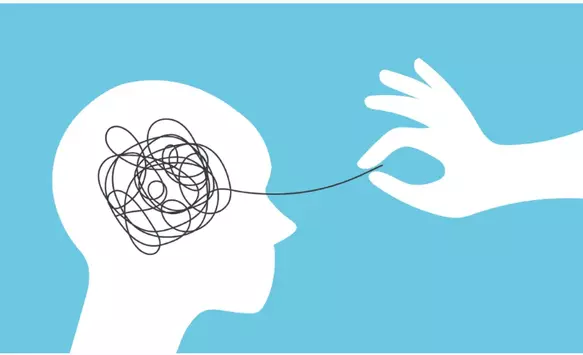
If you’re searching for how leaders support mental health in today’s workplace, the reality is more complex than most job descriptions suggest. Modern leadership now includes responsibility for collective emotional wellbeing, not just performance metrics. Executives are expected to model vulnerability, foster psychological safety, and ensure meaningful mental health resources exist. At the same time, many are quietly managing caregiving responsibilities at home. This dual pressure has intensified since the pandemic. And for many leaders, the burden remains largely invisible.
Post-pandemic workplaces have normalized conversations about burnout, anxiety, and stress. What was once considered personal is now a leadership competency. Executives are expected to engage with mental health openly, allocate resources wisely, and move beyond surface-level wellness perks. This shift demands emotional intelligence, empathy, and new communication skills. Yet many leaders were never trained for this role. As expectations rise, so does the emotional labor of leadership.
Beneath public-facing leadership responsibilities sits a quieter strain: caregiving. According to Lyra Health’s 2026 Workforce Mental Health Forecast, 65% of employers report rising mental health–related leaves. Benefits leaders are also ranking caregiving and family stress as a top workforce issue at rates more than ten times higher than in previous years. Leaders are often caring for aging parents, children, partners, or siblings while supporting teams under pressure. This two-directional caregiving leaves little space for recovery. Yet many executives feel unable to speak openly about it.
Caregiving strain doesn’t pause during work hours. It follows leaders into meetings, decisions, and deadlines. Rising costs of care, social instability, and anxiety about AI-driven change all add background pressure. When leaders seek support, they often face long waitlists, limited specialists, and services that don’t align with demanding schedules. Mental health systems still assume families can adapt around care. In reality, most cannot. The result is chronic stress layered on already high-responsibility roles.
Data shows the gap is widening. More than half of benefits leaders report increased child and teen mental health claims, yet nearly 90% say quality care is difficult to access. Many caregiving employees struggle to find benefits tailored to real family needs. Support often gets pushed into evenings and weekends, shifting stress rather than relieving it. For leaders, this creates exhaustion that no productivity hack can fix. The system isn’t broken—it was never built for this level of demand.
Organizations addressing this challenge are moving beyond reactive care. Effective support includes faster access to specialists, parent coaching, and flexibility during the workday. Some providers focus on in-home and family-centered interventions that address root causes, not just symptoms. These models equip caregivers with practical strategies and reduce long-term dependency on crisis care. When support systems strengthen the home environment, workplace resilience improves as well. Sustainable care is proactive, not performative.
Employers making progress are intervening earlier and more holistically. They monitor absenteeism and disengagement to catch burnout before it escalates. Workloads are redesigned to remove chronic stressors instead of rewarding endurance. Access to specialized child and teen care is expanding, alongside parent coaching and manager support. Middle managers receive training and realistic expectations, recognizing they’re under pressure too. The most effective strategies treat caregivers as part of the care plan, not an afterthought.
Leaders supporting mental health are navigating one of the most demanding eras of work. Strength and vulnerability are no longer opposites—they’re requirements. When organizations adopt a whole-family, proactive approach to wellbeing, resilience becomes sustainable. Mental health support works best when it reflects real lives, not idealized policies. By acknowledging cumulative stress and designing systems that meet it head-on, companies can build healthier, more human workplaces. And in doing so, they protect the leaders holding everything together.

𝗦𝗲𝗺𝗮𝘀𝗼𝗰𝗶𝗮𝗹 𝗶𝘀 𝘄𝗵𝗲𝗿𝗲 𝗽𝗲𝗼𝗽𝗹𝗲 𝗰𝗼𝗻𝗻𝗲𝗰𝘁, 𝗴𝗿𝗼𝘄, 𝗮𝗻𝗱 𝗳𝗶𝗻𝗱 𝗼𝗽𝗽𝗼𝗿𝘁𝘂𝗻𝗶𝘁𝗶𝗲𝘀.
From jobs and gigs to communities, events, and real conversations — we bring people and ideas together in one simple, meaningful space.


Comments