
Accessible gifts for disabled professionals serve a purpose far beyond typical holiday shopping—they provide essential infrastructure that enables participation, preserves energy, and supports independence in workplaces and educational settings that weren't designed with disability in mind. Self-care represents foundational support for disabled students and professionals navigating demanding careers, particularly in environments carrying unspoken expectations around appearance, presentation, and productivity that disproportionately burden those with disabilities. Sarah Todd Hammer, a disabled author, influencer, speaker, and consultant, emphasizes that meaningful gifts prioritize access over novelty, focusing on products and experiences that reduce physical strain, save precious time, and enable tasks that non-disabled people accomplish effortlessly but that can exhaust disabled individuals. From makeup designed with arthritis-friendly grips to shoes that eliminate the need for tying, from electric flossers that reduce hand strain to salon gift cards that return valuable hours—these recommendations recognize that for many disabled people, self-care isn't relaxation but necessary labor that accessible products can transform from frustrating struggle into achievable independence.
Accessible cosmetics represent more than beauty products—they're tools that enable disabled professionals to meet societal expectations without exhausting themselves before the workday begins. Sarah Todd Hammer recommends Tilt Beauty's product line, which was specifically designed for disabled individuals with features like easy-open containers, ergonomic grips, and simplified application methods that earned certification from The Arthritis Foundation for ease of use. Her favorite go-to items include the Grip Stick in Coffee Break, the Easy Way Lip Liner in From Scratch, and the Lashscape mascara—products engineered to reduce the physical difficulty of tasks that non-disabled people complete in minutes without conscious effort. The functional design matters because societal expectations set standards that everyone should look a certain way, especially in work or professional environments, creating pressure to have hair and makeup done even when it's difficult or impossible to accomplish independently with standard products. For many disabled people, self-care tasks like applying makeup, washing and styling hair, or polishing nails are more difficult, take significantly longer, or remain impossible without the right accessibility-focused products. Being able to complete these tasks independently with products designed for specific access needs isn't just convenient—it's refreshing and empowering, shifting the dynamic from dependency and frustration to autonomy and confidence that carries into professional interactions throughout the day.
The seemingly simple act of putting on shoes becomes a significant barrier for many disabled individuals, making hands-free footwear a transformative accessibility solution rather than mere convenience. Sarah Todd Hammer highlights Kizik shoes, which don't require tying and can be put on and taken off completely hands-free through innovative design that eliminates bending, gripping, or manipulating laces. She wears her Kizik Vegas sneakers daily and recently added Kizik boots for winter, demonstrating how accessible footwear becomes reliable infrastructure rather than occasional accommodation. The impact extends beyond the immediate task—reducing physical strain during routine activities like getting dressed preserves energy for higher-priority demands throughout the day, whether that's concentration during meetings, physical stamina for commutes, or cognitive bandwidth for complex work tasks. For disabled professionals and students, energy management isn't optional but essential strategy, as many experience chronic fatigue or pain that makes every physical task costly in ways non-disabled colleagues never consider. Shoes that eliminate the need for bending, balancing on one foot, or manipulating small objects with limited dexterity free up both physical capacity and mental energy that can be redirected toward professional performance. The functional benefit is that ease of use in one area creates cascading advantages throughout the day, reducing cumulative exhaustion that would otherwise limit participation in demanding workplace or academic environments.
Time represents one of the most overlooked barriers facing disabled individuals, making gifts that reduce task duration deeply valuable beyond their apparent simplicity. Sarah Todd Hammer explains that disabled people often spend extensive time completing tasks that take non-disabled people just minutes, meaning they don't have the same effective 24 hours in a day despite calendar time being identical. An electric flosser like Flaus makes dental care significantly more accessible through vibrations that move the floss side-to-side automatically, getting into narrow spaces without requiring the manual dexterity and sustained grip strength that traditional flossing demands. The device also makes it easier to reach difficult places in the mouth that would otherwise require contorting hands into uncomfortable positions, transforming a task that might take disabled individuals 15 frustrating minutes into a manageable few minutes. Gifts that give time back in the day are tremendously appreciated because they compound—saving 10 minutes on dental care, 20 minutes on makeup application, and 15 minutes on getting dressed doesn't just return 45 minutes but also preserves the energy that would have been expended during those tasks. For disabled students preparing for careers and professionals navigating demanding workplaces, this reclaimed time and energy becomes essential infrastructure supporting participation in systems built around non-disabled productivity assumptions and stamina expectations.
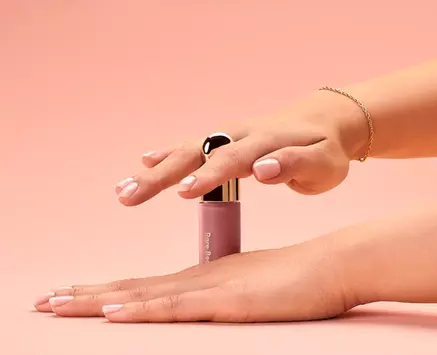
Products designed with input from disabled people and clinical experts deliver accessibility that general-market products claiming to be "user-friendly" typically miss entirely. Sarah Todd Hammer points to Rare Beauty's perfume bottle as exemplary accessible design—created with input from hand therapists to ensure ease of use, it features a revolutionary design that makes spraying possible for people with limited hand strength or dexterity. "It's the only perfume I can spray independently," she explains, highlighting how most beauty products remain functionally inaccessible despite being marketed to everyone. The distinction between products designed "for" disabled people by non-disabled designers versus those created "with" disabled expertise shows up in details that make or break actual usability—grip diameter, opening mechanisms, application angles, container stability, and dozens of micro-decisions that seem insignificant until you encounter them as barriers multiple times daily. Accessible design isn't about making products look medical or different but about incorporating thoughtful engineering that removes unnecessary barriers while maintaining aesthetic appeal that matters in professional contexts. The Arthritis Foundation's ease-of-use certification on Tilt Beauty products, the hand therapist consultation behind Rare Beauty's perfume bottle, and similar expert involvement signal products genuinely designed for accessibility rather than just marketed with inclusive language that doesn't translate to functional difference.
Sometimes the most accessible gift isn't a product but an experience that outsources tasks that would otherwise consume enormous time and energy. Sarah Todd Hammer recommends gift cards to a disabled friend or family member's favorite hair or nail salon as perfect gifts promoting well-deserved self-care through professional services. For many disabled people, tasks like washing and styling hair or trimming and polishing nails range from extremely challenging to functionally impossible without assistance, yet professional presentation expectations in work environments don't adjust for these realities. Spending money on salon services for basic grooming quickly adds up when these aren't occasional luxuries but regular necessities, creating financial burden on top of the practical challenges. It can be exhausting and frustrating to constantly ask others for help with self-care tasks that non-disabled people handle independently without thought, making professional services a way to maintain autonomy without depending on friends or family members' availability and willingness. Salon gift cards give disabled professionals precious time back in their days by outsourcing tasks that might take hours at home and require recovery time afterward, freeing that energy for career-advancing activities rather than basic maintenance. The experience-based accessibility matters because it acknowledges that independence isn't always about doing everything yourself—sometimes it's about having access to services that enable participation without depleting resources needed for professional performance.
One of the biggest misconceptions Sarah Todd Hammer wants to challenge is how self-care gets understood through a non-disabled lens that doesn't match disabled reality. "For many non-disabled people, self-care is a time of relaxation and 'me time,'" she explains, but for many disabled people, self-care becomes "a time of exhaustion and frustration" rather than rejuvenation. Tasks like washing faces, applying makeup, and washing and styling hair that are simple for non-disabled individuals are extremely challenging for disabled people, which is why having access to disability-inclusive, accessible self-care products and experiences matters so critically. The cultural narrative around self-care emphasizes indulgence, pampering, and treating yourself—concepts that miss entirely how much labor disabled people expend on basic grooming that others accomplish almost unconsciously. This gap creates isolation and misunderstanding, with disabled professionals feeling pressure to maintain appearance standards while lacking acknowledgment of the disproportionate effort required. Sarah Todd Hammer also addresses hesitation many people feel when purchasing accessibility-focused gifts, reassuring that "your disabled friend or family member will almost certainly be grateful you noticed they use the item you want to give as a gift and thought to give it to them." The problem isn't the gift but the stigma attached to accessibility, with people incorrectly labeling assistive devices or disability-inclusive items as "medical" or somehow "wrong" when in reality, as she emphasizes, "we all benefit from accessibility" through thoughtful design that reduces barriers for everyone.
Meaningful support extends beyond purchasing accessible products to include how we offer assistance in ways that reduce rather than increase emotional labor. "Oftentimes, the onus to ask for help with tasks falls on the disabled individual," Sarah Todd Hammer explains, creating ongoing emotional burden alongside the physical challenges. If you know your disabled friend or family member requires help with particular tasks consistently, offering to assist proactively when you can makes a significant difference not just practically but emotionally. "Offering to help with a task you know the disabled individual needs help with can alleviate anxiety they might feel around asking for help and can help reduce feeling like an inconvenience," she notes, addressing the psychological toll that accompanies physical dependency. For disabled professionals navigating workplace environments built around non-disabled assumptions, constantly needing to request accommodations or assistance can create exhausting self-advocacy work on top of actual job responsibilities. Proactive offers—"I'm going to the store, can I pick anything up for you?" rather than "let me know if you need anything"—shift the dynamic from the disabled person managing everyone else's awareness to others taking initiative in noticing and addressing needs. This approach recognizes that disability inclusion isn't just about products and physical accessibility but about social dynamics that either compound or alleviate the daily work of existing in spaces not designed for disabled bodies and minds.
For disabled students preparing for careers and professionals navigating demanding workplaces, accessible self-care represents essential infrastructure rather than optional luxury or personal preference. These products and services preserve energy that would otherwise be depleted on basic maintenance, protect the independence that enables full professional participation, and support engagement in systems explicitly not built with disability in mind. The workplace expectations around appearance, punctuality, and sustained productivity assume a baseline of physical and cognitive capacity that many disabled people must work significantly harder to meet, making anything that reduces that gap strategically valuable beyond its immediate function. Accessible makeup, hands-free shoes, time-saving tools, professionally designed products, and salon services aren't indulgences but infrastructure investments that enable disabled professionals to compete on more equal footing in environments structured around non-disabled norms. The gifts that truly support disabled professionals are those recognizing this reality—acknowledging that self-care for disabled people isn't about relaxation but about the necessary labor of meeting societal expectations while managing bodies and minds that require different approaches than standardized products assume. When accessibility becomes normalized rather than stigmatized, when proactive help reduces emotional burden, and when thoughtful gifts acknowledge the real challenges disabled people navigate daily, we move toward genuine inclusion that extends beyond policies and into the practical, everyday support that makes professional participation sustainable rather than constantly exhausting.

𝗦𝗲𝗺𝗮𝘀𝗼𝗰𝗶𝗮𝗹 𝗶𝘀 𝘄𝗵𝗲𝗿𝗲 𝗽𝗲𝗼𝗽𝗹𝗲 𝗰𝗼𝗻𝗻𝗲𝗰𝘁, 𝗴𝗿𝗼𝘄, 𝗮𝗻𝗱 𝗳𝗶𝗻𝗱 𝗼𝗽𝗽𝗼𝗿𝘁𝘂𝗻𝗶𝘁𝗶𝗲𝘀.
From jobs and gigs to communities, events, and real conversations — we bring people and ideas together in one simple, meaningful space.


Comments