
Job applicant fraud has become a crisis for hiring managers, with artificial intelligence making it easier than ever to create convincing fake candidates. By 2028, research firm Gartner predicts a staggering 25% of all job applications will be fraudulent, powered by deepfakes and voice clones that can fool even experienced recruiters. Today's hiring landscape is a digital battleground where AI-generated bots flood application systems, desperate job seekers use automation to mass-apply with misleading resumes, and in extreme cases, foreign actors steal identities to infiltrate American companies. Toronto-based startup Tofu just raised $5 million to combat this growing threat using an innovative approach: analyzing social media metadata to verify whether applicants are real people or elaborate fakes.
The barrier to committing job application fraud has collapsed to almost nothing thanks to accessible AI tools. A novice user with no technical background can now create a completely fabricated professional profile and successfully impersonate a real person during video interviews with recruiters in just 70 minutes. These fake personas come complete with polished resumes, convincing LinkedIn profiles, and AI-generated headshots that pass casual inspection. The technology has advanced so rapidly that voice clones can mimic speech patterns during phone screens while deepfake video allows imposters to appear on camera as someone entirely different. For hiring managers already drowning in application volume—some roles now receive thousands of submissions—distinguishing between legitimate candidates and AI-created phantoms has become nearly impossible without specialized detection tools. The stakes extend beyond wasted recruiter time, as fraudulent hires can lead to data breaches, stolen intellectual property, and even national security risks when bad actors gain access to sensitive company systems.
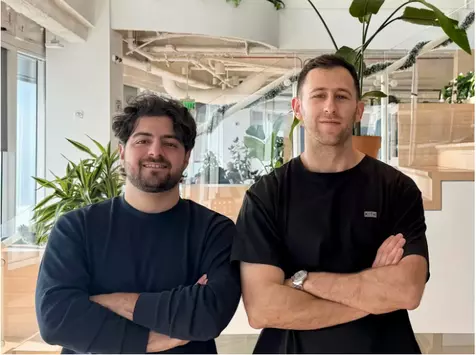
Tofu's approach to detecting job applicant fraud centers on something most verification systems overlook: the digital footprint candidates leave across social media platforms. The two-year-old company pivoted last September from operating as a talent marketplace to focusing entirely on fraud detection using machine learning algorithms. Their software analyzes publicly available metadata from profiles on Instagram, TikTok, LinkedIn, Foursquare, and even defunct platforms like MySpace to build a comprehensive authenticity score. The system examines the age of social accounts, patterns in posting and liking activity, follower counts, and the number of professional connections to spot telltale signs of fabricated identities. A typical fake candidate profile, according to Tofu cofounder and CEO Jason Zoltak, shows a LinkedIn account created just four months ago with only two or three connections—red flags that stand out dramatically compared to legitimate professionals. After analysis, employers receive detailed reports highlighting which applicants are likely fraudulent, allowing them to focus interview time on real candidates rather than chasing ghosts.
The partnership announced today between Tofu and Gem represents a significant validation of AI-powered fraud detection in recruitment. Gem, an applicant tracking system and AI hiring platform used by technology companies, will integrate Tofu's verification tools directly into its workflow, scanning candidates from initial sourcing through final hire. For Gem cofounder and CEO Steve Bartel, the decision stems from a troubling trend his customers report consistently: application volume has skyrocketed during the labor market cooldown, but quality hasn't improved proportionally. More Americans remain unemployed for over 27 weeks, and job searches stretching beyond six months have become common, creating desperation that fuels both legitimate AI-assisted applications and outright fraud. "There's a lot of great talent on the market," Bartel acknowledges, but separating qualified laid-off professionals from bot-generated noise has become a full-time challenge. The integration aims to restore signal-to-noise ratio in hiring pipelines that have become overwhelmed by the sheer volume of applications, both real and fake.
Tofu's seed funding round, led by Slow Ventures with participation from Founder Collective, reflects investor confidence that job applicant fraud detection represents a massive market opportunity. General partner Sam Lessin, who led the investment, frames the problem simply: "Understanding who's real and who's a fake person is a pretty big deal." For investors, the appeal goes beyond just stopping fraudsters—it's about building what Zoltak calls "the identity layer" for human resources, an industry that has traditionally relied on manual processes and human judgment. Investor Micah Rosenbloom from Founder Collective compares Tofu's approach to know-your-customer protocols used in regulated financial services, but adapted for recruitment: "It's like KYC, but the 'C' is candidates." The funding will support expanding both Tofu's employee headcount and customer base as demand for fraud detection tools accelerates alongside the AI arms race in hiring. With established background check companies like Checkr, Certn, and First Advantage also racing to incorporate AI fraud detection, the competition to own this emerging category is heating up quickly.
The spectrum of job applicant fraud ranges from relatively harmless resume optimization to genuinely dangerous criminal activity, creating challenges that require different responses. At the most innocent end, desperate job seekers deploy AI tools to mass-apply for positions, automatically tailoring resumes to match job descriptions with perfect keyword alignment—though well-intentioned, these applications often significantly misrepresent actual candidate experience and qualifications. The problem escalates with "polyworkers" who secretly hold multiple full-time positions simultaneously, or identity thieves who hijack LinkedIn profiles without photos that match their desired work history, then show up to interviews as themselves. At the most severe level, AI-generated applicants serve as fronts for malicious actors seeking to steal customer data, trade secrets, or intellectual property once they gain system access. The Department of Justice has already prosecuted American citizens who helped North Korean IT workers secure remote positions under fake identities, with their salaries allegedly funding the country's military programs. According to Bartel, remote roles in engineering and customer service departments face the highest fraud risk, as these positions often have system access without requiring in-person verification.
While established players in the hiring verification space have begun incorporating AI capabilities, most focus on traditional fraud vectors like altered identification documents or faked drug test results. Greenhouse, a major applicant tracking platform used throughout the technology industry, employs AI to flag obvious spam and bot applications, while Workday's AI agents handle administrative screening tasks for HR professionals (though the company currently faces a lawsuit alleging its AI discriminated against applicants over 40 years old). What sets Tofu apart is targeting the fraud vector these legacy systems miss: the metadata trail across social platforms that reveals whether an applicant's online presence developed naturally over years or appeared fully formed just months ago. As AI-generated identities become more sophisticated, verification systems that only examine formal documents or credentials will increasingly struggle to spot fakes. The challenge for companies like Tofu will be staying ahead of fraudsters who continually adapt their tactics, potentially creating aged social profiles or purchasing established accounts to defeat metadata-based detection.
The rise of AI-powered fraud detection introduces new considerations for both legitimate candidates and hiring teams navigating an increasingly complex recruitment landscape. For honest job seekers, the message is clear: maintaining authentic, consistent online professional profiles across platforms now matters more than ever, as verification systems will scrutinize account age, activity patterns, and connection networks to separate real people from fakes. The irony is that while AI tools have created the fraud problem, they're also being deployed to solve it, creating an arms race where both candidates and employers are leveraging automation. For hiring managers, the era of manually reviewing every application is definitively over—the volume makes it impossible, and the fraud risk makes it dangerous. Instead, companies must invest in verification layers that can process applications at scale while filtering out both obvious bots and sophisticated fake personas. As human resources transforms from a primarily human-led industry into one dependent on AI systems, the question isn't whether to adopt these tools, but how quickly companies can implement them before fraudulent hires cause serious damage.

𝗦𝗲𝗺𝗮𝘀𝗼𝗰𝗶𝗮𝗹 𝗶𝘀 𝘄𝗵𝗲𝗿𝗲 𝗽𝗲𝗼𝗽𝗹𝗲 𝗰𝗼𝗻𝗻𝗲𝗰𝘁, 𝗴𝗿𝗼𝘄, 𝗮𝗻𝗱 𝗳𝗶𝗻𝗱 𝗼𝗽𝗽𝗼𝗿𝘁𝘂𝗻𝗶𝘁𝗶𝗲𝘀.
From jobs and gigs to communities, events, and real conversations — we bring people and ideas together in one simple, meaningful space.


Comments