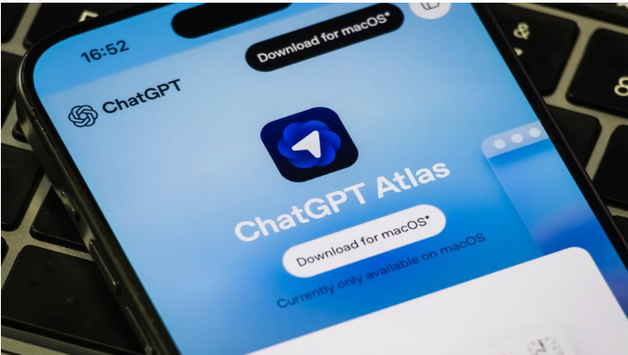
When OpenAI first launched ChatGPT, it revolutionized how we think, work, and create. Now, it’s set to transform how we browse the internet. The new OpenAI Atlas Browser, launched on October 21 and currently in beta for macOS users, is not just another browser—it’s an intelligent research companion that can summarize, reason, and complete tasks for you. This release signals a major shift in the future of work, productivity, and digital research.
While tools like Perplexity AI and its Comet browser have paved the way in AI-powered search, OpenAI’s move is different. Backed by high-value partnerships with global organizations—including Coursera—OpenAI’s Atlas browser strengthens its dominance in the rapidly growing AI technology and search market. But with innovation comes a pressing question: How will AI browsers like Atlas reshape jobs that rely on research, analysis, and content creation?
How the OpenAI Atlas Browser Impacts Professionals
The OpenAI Atlas browser is designed to supercharge professionals in research-heavy roles. If you’re a researcher, analyst, marketing strategist, consultant, or senior leader, this tool can radically boost your efficiency. Atlas can read and summarize pages, generate briefs, and even recall information from past sessions—streamlining tasks that used to take hours into minutes.
According to OpenAI, “At work, you can ask ChatGPT to open and read through past team documents, perform new competitive research, and compile insights into a team brief.” This means the browser isn’t just helping you search—it’s thinking, reasoning, and executing with you in real time. For freelancers and small business owners, Atlas also promises smarter workflows, freeing up time for creative and strategic tasks.
Will the Atlas Browser Change Digital Marketing and Research?
Absolutely. As Atlas gains traction, OpenAI could reshape digital marketing and advertising forever. There’s growing speculation about whether OpenAI will monetize the browser through ads—similar to Google Chrome—though CEO Sam Altman has hinted at doing so without disrupting the user experience.
If advertising enters the ChatGPT or Atlas ecosystem, brands will face a new reality: competing for visibility within AI-curated recommendations rather than traditional search results. In other words, being “AI-visible” could become the new SEO. Businesses will need to reimagine marketing strategies for an AI-first web where browsers make personalized decisions about what users see.
Upskilling for the New AI Browser Era
As with every major tech disruption, adaptation will determine survival. Roles centered on research, data entry, and administrative work will be the first to feel the impact. Positions such as data entry clerks, admin assistants, and entry-level analysts are at high risk of automation.
To stay relevant, professionals must focus on AI literacy and strategic thinking. Learning to work with AI—prompting it effectively, interpreting its insights, and integrating its outputs—will be essential for thriving in this new digital era. Businesses, too, must rethink their upskilling and reskilling programs to prepare teams for a hybrid future where human creativity meets machine intelligence.
The lesson is clear: those who adapt to AI’s new rules of browsing, research, and engagement will lead the next frontier of productivity. Those who don’t will fade into irrelevance.














Comment