One of the most common questions from employers working with neurodivergent employees is, “How much unprofessional behavior should I accept?” The short answer: none — but defining professional behavior isn’t simple. Understanding the difference between a tic, a meltdown and rudeness is key to creating fair, inclusive workplaces. Tics and meltdowns are uncontrollable neurological or emotional responses, not acts of disrespect. Rudeness, on the other hand, is intentional harm — and that’s where the boundary lies.
When It’s a Tic or a Meltdown — Not Rudeness
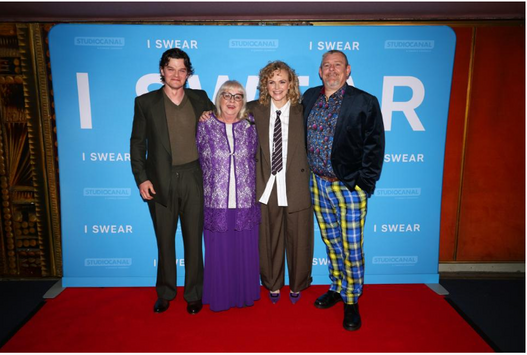
A tic, like involuntary swearing or gestures, is not a choice. Colleagues need to recognize that these expressions are reflexive, not personal. In the film “I Swear,” which dramatizes the life of John Davidson MBE, viewers see how understanding and acceptance allow people with Tourette’s to thrive at work.
Similarly, when someone with ADHD or autism experiences emotional overload, their reaction may look like anger or frustration — but it’s actually a meltdown, a sign of distress, not disrespect. Reasonable adjustments like decompression time, clear communication, and supportive dialogue can prevent misunderstandings and rebuild trust within teams.
Accountability and Emotional Intelligence at Work
Distinguishing between intentional harm and uncontrolled responses doesn’t mean lowering standards — it means applying fairness. If shouting or swearing is done deliberately to hurt others, that’s not excusable, regardless of diagnosis. But when someone is visibly trying to manage their emotions or repair relationships afterward, that’s a sign of integrity, not misconduct.
Developing emotional intelligence on both sides — neurodivergent and neurotypical — is the bridge. Talking openly about difficult moments helps prevent resentment and builds understanding. The real unprofessional behavior isn’t a tic or meltdown; it’s walking on eggshells and refusing to engage in honest conversation.
The Healing Power of Work and Acceptance
As featured in “I Swear,” Tourette’s advocates like John Davidson and Paul Stevenson show that work can be transformational. When workplaces focus on strengths, purpose, and understanding rather than diagnosis, people flourish. Acceptance doesn’t mean excusing harm — it means seeing the person behind the behavior and recognizing effort, courage, and accountability.
Touretters, in fact, often display extraordinary self-control and empathy. They constantly manage others’ perceptions while striving to maintain rapport — a true emotional labor skill that many overlook. When employers reduce stigma and support dialogue, they uncover creativity, loyalty, and purpose — the real hallmarks of professionalism














Comment