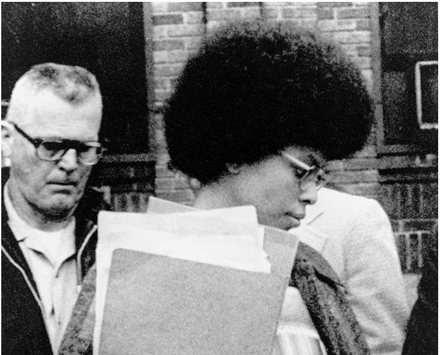
Assata Shakur’s passing at age 78 in Havana, Cuba, has reignited conversations about her life, struggles, and enduring influence. As a member of the Black Panther Party and Black Liberation Army, Shakur became a global symbol of resistance after escaping prison and being granted asylum in Cuba. Her story highlights how the personal is political—and why resistance, storytelling, and community remain crucial lessons today. In many ways, Assata Shakur’s legacy of resistance offers timeless guidance for confronting oppression in workplaces, communities, and society at large.
Storytelling as a Tool for Resistance
One of the most powerful lessons from Assata Shakur’s legacy is the importance of reclaiming your own narrative. Through her autobiography Assata, she challenged distorted media portrayals and centered her truth. In the workplace, employees can follow this model by documenting and sharing their experiences of bias, discrimination, or exclusion. Whether through surveys, focus groups, or open dialogue, storytelling becomes a form of resistance—amplifying voices that might otherwise be silenced and sparking necessary change.
Connecting the Personal to the Political
Assata Shakur’s resistance also reminds us that personal experiences often reflect larger systemic issues. What may feel like an isolated workplace challenge—such as biased policies or inequitable practices—is often part of a wider pattern of oppression. Her legacy calls on us to examine how racism, sexism, ableism, and other forms of discrimination overlap and reinforce one another. For today’s organizations, real resistance means not only addressing individual incidents but also building policies and practices that dismantle these systemic barriers.
Building Community and Coalition for Change
Finally, Assata Shakur emphasized that liberation cannot happen alone: “Without support from the people, no movement for liberation can exist.” Her focus on coalition-building is deeply relevant to workplace resistance today. When employees unite across identities and experiences, they gain the power to challenge harmful systems and push for inclusive, equitable change. In an era where diversity, equity, and inclusion are being questioned or rolled back, Shakur’s reminder is urgent: our struggles are interconnected, and resistance means centering freedom for everyone.














Comment