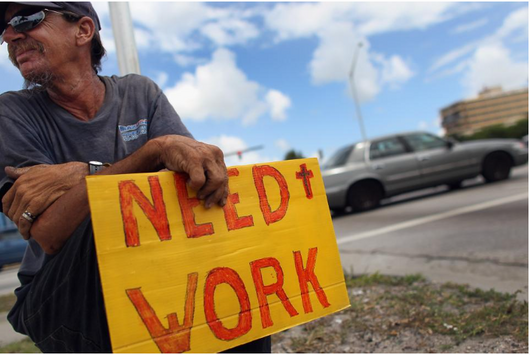
In today’s evolving job market, workers often find themselves facing unemployment or underemployment, and many blame themselves for their lack of work. This is particularly evident in the U.S., where economic instability and rapid shifts in industry have left many feeling left behind. With globalization, automation, and structural economic changes leading to job displacement, it's easy to understand why workers feel uncertain about their future. But why do so many workers internalize this uncertainty and place blame on themselves? This blog post explores the factors behind workers' tendency to blame themselves and the larger economic shifts at play.
The Impact of Structural Changes on Employment
Employment opportunities in the U.S. are becoming increasingly uneven. While major cities experience thriving industries, rural areas have seen a consistent brain drain, and the manufacturing sector has shrunk dramatically over the decades. These changes are not driven by the choices or actions of individual workers, but instead by larger macroeconomic forces, such as increased competition, globalization, and automation. Yet, despite these structural shifts, many workers still struggle with feelings of personal failure when faced with unemployment, contributing to a sense of hopelessness and frustration.
Why Workers Blame Themselves for Job Loss
Sociologist Jennifer Silva points out that younger generations, particularly in the U.S., are growing up in a climate where traditional markers of adulthood—such as securing steady employment and buying a home—are becoming increasingly difficult to achieve. This generation is often forced to navigate staggering debts, sky-high housing prices, and a shortage of stable, well-paying jobs. As a result, they tend to internalize their struggles and see them as personal failures, rather than the result of systemic issues. The failure to land a job is seen not as a reflection of the declining job market, but as a reflection of their own personal shortcomings.
The Role of American Culture in Self-Blame
One of the driving forces behind this tendency to blame oneself is deeply ingrained American values of individualism and meritocracy. In a culture that emphasizes autonomy, personal achievement, and the idea that hard work will always lead to success, workers may find it difficult to accept that they are affected by larger, uncontrollable economic forces. This mindset can be motivating in some ways, fostering innovation and resilience, but when it comes to employment, it often leads to unnecessary guilt and self-criticism. Workers internalize job loss and unemployment as a personal failure, overlooking the structural issues contributing to the employment crisis.
How to Shift the Narrative
Understanding the broader factors influencing employment can help shift the narrative from self-blame to a more balanced perspective. It's crucial to recognize that job loss and economic insecurity are not personal failures but rather reflections of larger systemic changes. Workers can gain confidence and resilience by understanding that they are not alone in their struggles and that these challenges are shared by many others. Shifting from a culture of individualism to one that acknowledges the collective impact of globalization, automation, and structural inequality can empower workers to adapt and navigate an uncertain job market more effectively.














Comment