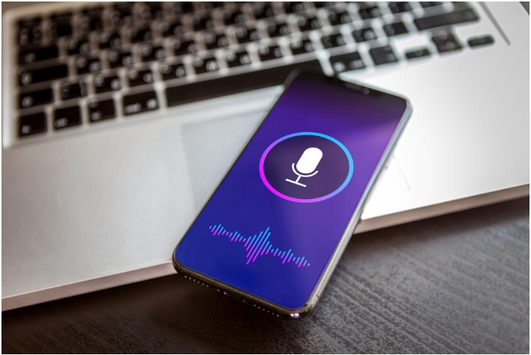
Is voice really replacing the keyboard? Yes—and it’s changing everything about how we interact with technology. In today’s workplace, AI-driven voice tools and ambient systems are taking center stage, allowing people to communicate with machines more naturally—just by speaking. As keyboards fade into the background, a new era of human-centered, intuitive productivity is emerging.
From creating documents to managing tasks, we’re shifting from typing to talking—and the change isn’t just about speed. It’s about freeing people from rigid interfaces so they can focus on real work, not the tools themselves.
Voice Is Replacing the Keyboard—And That Changes Everything
For decades, being tech-savvy meant mastering menus, clicks, and commands. But now, “being productive” doesn’t mean knowing where the toolbar is. It means clearly expressing what you need—and letting AI take it from there. Voice-first interfaces don’t just recognize what you say—they interpret your intent.
Voice tools like Jabra, Suki, and even Google Workspace are now enabling a hands-free workflow where your thoughts become actions. As Josh Blalock said on The Future of Less Work podcast, speaking your mind is not only four times faster than typing—it also removes the friction of formatting and lets your ideas flow in real time.
Beyond Voice: Ambient AI Is Rewriting the Rules of Work
Voice is just one part of a broader movement toward ambient AI—technology that listens, observes, and acts without needing constant input. Think of tools that schedule meetings based on context, transcribe conversations automatically, or detect patterns from dozens of team interviews in seconds.
This isn’t science fiction—it’s happening now. Solutions like Arthur Vibe and Suki AI are eliminating the “work about work,” freeing healthcare professionals, analysts, and creatives to focus on what really matters: people, problems, and performance. These tools aren’t just voice-activated—they’re context-aware, always-on systems designed to reduce mental load and maximize flow.
Why Voice and Ambient Systems Make Work More Human
The real promise of voice and ambient AI isn’t speed—it’s accessibility. Not everyone types well or knows how to craft a perfect AI prompt. But everyone knows how to talk. As voice replaces the keyboard, the workplace becomes more inclusive. Language barriers shrink. Physical limitations matter less. And people can contribute ideas directly—without needing to translate them into tech-speak.
This shift empowers teams across languages, locations, and learning styles to collaborate more naturally. And because ambient systems fade into the background, they amplify—not interrupt—your workday. The result? A smarter, more humane way to get things done.
The Bottom Line: Let Work Listen, Adapt—and Talk Back
The keyboard isn’t dead—but it’s no longer the main gateway to productivity. As voice and ambient AI evolve, your work environment will understand you, support you, and talk back in ways that feel intuitive and empowering.
The future of work isn’t about doing less—it’s about doing less of the wrong work. Less clicking. Less formatting. Less navigating. Instead, it’s about spending more time on ideas, conversations, and real contributions. In this next chapter, work adapts to us—not the other way around.














Comment