
Alerts
-
6 minutes, 23 seconds
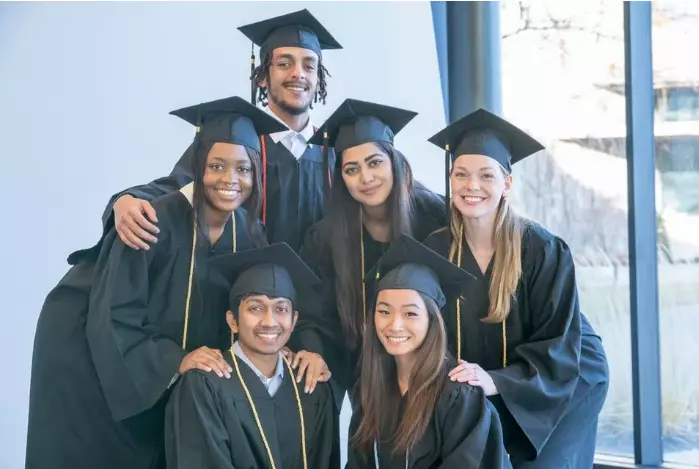
The job market for 2026 graduates is tough. AI disruption, economic uncertainty, and burnout are reshaping the workplace. Experts warn of an "entry-level hiring crisis." The Federal Reserve Bank of New York reports that the unemployment rate for recent college graduates hit 5.6% in 2026—higher than the national average. To compete and succeed, you must understand the biggest job market trends 2026 graduates need to know.
Employers now care more about what you can do than where you went to school. This trend, called skills-based hiring, is growing fast. Roles in AI, cybersecurity, healthcare, and sustainability focus on certifications, portfolios, and practical experience. A college degree is no longer the only path to a good job.
Companies are removing layers of middle management. AI tools handle reporting, scheduling, and admin work. This creates "supermanagers" who oversee many direct reports. Stress is high—43% of managers report increased stress, and 49% feel disengaged.
You may have fewer managers above you. You'll need to be self-directed and comfortable with AI tools. Learn to manage your own workload and communicate clearly with leaders.
As AI grows, employers value human skills more. These include communication, empathy, adaptability, creativity, and judgment under uncertainty. Healthcare jobs, for example, remain strong and offer high pay with lower stress.
Monster's 2026 Graduate AI Readiness Report shows 89% of graduates worry AI could replace entry-level jobs. Fewer true entry-level jobs exist because AI handles basic tasks like research, writing, and coding. This is called the "entry-level hiring crisis."
Many job postings are fake. Companies post "ghost jobs" to collect resumes, signal growth, or satisfy HR policies. Some studies say up to 20% of listings are not real. This causes frustration and wasted effort.
Workers are staying in jobs out of fear. Monster's 2025 Job Hugging Report found 75% of employees plan to stay through 2027. Nearly half stay due to economic uncertainty. This creates "false retention"—workers are present but disengaged.
Because fewer people are quitting, you can stand out by showing enthusiasm and a strong work ethic. Be the candidate who is eager to learn and contribute.
The debate between remote and office work is over. Structured hybrid work is now standard. This includes designated collaboration days, core hours, flexible scheduling, and outcome-based performance tracking.
Workers now use AI as brainstorming partners, writing assistants, and coding copilots. This is called "vibe working"—you describe the outcome, and AI handles execution. The best employees learn to supervise and refine AI, not compete with it.
Stress is high despite AI productivity gains. Workers feel pressure to upskill constantly. Interest is growing in nervous system regulation, mindfulness, shorter work bursts, and career cushioning.
Workers now want flexibility, autonomy, mission alignment, and meaningful contribution. This "meaning-maxxing" trend drives career pivots, side hustles, and nonprofit work.
The workplace is changing fast. Routine work is automated, but human-centered work is premium. To thrive as a 2026 graduate, learn to work with AI, keep building new skills, and communicate clearly. These job market trends 2026 will help you navigate the market and build a successful career.










Comment