Alerts

-
6 minutes, 55 seconds
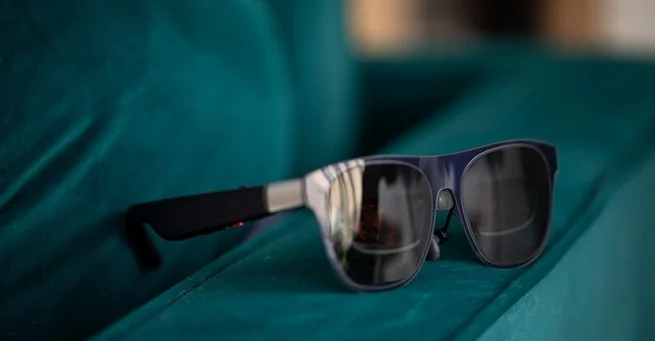
Xreal sues Viture in a move that highlights how fast the augmented reality glasses market is maturing. When companies begin aggressively defending intellectual property, it often signals that a technology category is shifting from niche experimentation to mainstream competition. The lawsuit centers on patented optical technology used in lightweight AR glasses, with Xreal accusing rival Viture of copying core innovations. For consumers, investors, and the broader tech industry, this legal battle underscores just how valuable smart glasses technology has become heading into 2026.
Shortly put, Xreal claims Viture’s popular AR glasses rely on patented optical designs that improve image clarity and field of view without adding bulk. Viture, meanwhile, has rapidly grown its presence with multiple high-end products, putting the two companies on a collision course.
According to Xreal, the company has filed its complaint in the United States District Court for the Eastern District of Texas. The lawsuit focuses on a specific US patent that covers optical system architecture designed to deliver high-quality visuals in a compact AR headset. This kind of technology is critical in smart glasses, where comfort and display performance must coexist.
Xreal alleges that several Viture products infringe on this patent. These include the Viture Pro, Luma Pro, and Luma Ultra, which are marketed as premium AR glasses aimed at entertainment, productivity, and immersive viewing. Xreal argues that these devices incorporate the same optical methods protected under its intellectual property.
If the court sides with Xreal, the outcome could include damages, licensing requirements, or even sales restrictions. Such consequences would significantly affect Viture’s ability to compete in key markets.
This is not the first time Xreal and Viture have clashed over patents. In late 2025, a court in Germany ruled in favor of Xreal in a similar case. That decision resulted in a preliminary injunction that restricted Viture from selling, marketing, or importing certain AR glasses models in multiple European countries.
The earlier ruling gives Xreal momentum as it pursues legal action in the United States. While legal systems differ across regions, courts often take note of prior judgments when evaluating similar technical claims. For Xreal, the European outcome reinforces its argument that its optical technology is both original and defensible.
Viture, on the other hand, now faces growing pressure to either challenge the patent’s validity or redesign its products to avoid infringement.
The fact that Xreal sues Viture is part of a much larger trend. Patent disputes are becoming increasingly common across the smart glasses and wearable technology space. As more companies enter the market, overlapping ideas around displays, sensors, AI integration, and gesture control are inevitable.
Several major players have already been drawn into legal conflicts over emerging AR and AI-driven features. These cases often involve core technologies such as gesture-based input, neural interfaces, and on-device recording powered by artificial intelligence. In parallel, patent-holding firms have also stepped in, filing complaints against multiple startups and established brands alike.
This wave of litigation suggests that the industry is reaching a point where intellectual property can define winners and losers, not just innovation speed or pricing.
When lawsuits like this surface, it usually means the market opportunity is large enough to justify the cost and risk of legal action. Defending patents is expensive, but companies are willing to do so when the long-term value of the technology is substantial.
Industry analysts note that AR glasses are moving closer to everyday adoption. Lighter designs, better displays, and deeper AI integration are making smart glasses more appealing to consumers beyond early adopters. As sales volumes increase, proprietary technology becomes a critical competitive advantage.
For smaller companies, this environment raises the stakes. Building unique, defensible technology is no longer optional. For consumers, patent disputes can sometimes slow product availability, but they can also push companies to innovate more aggressively.
By pursuing legal action in multiple regions, Xreal is signaling that it intends to protect its technology globally. This strategy positions the company as a serious long-term player in the AR ecosystem rather than just a hardware manufacturer chasing short-term sales.
The outcome of the US case will likely influence how other smart glasses companies approach patent filings and partnerships. A strong ruling in Xreal’s favor could encourage more lawsuits, while a loss could weaken confidence in existing AR patents.
Regardless of the final decision, one thing is clear: augmented reality glasses are no longer an experimental category. As Xreal sues Viture and similar cases unfold, the industry is entering a phase where legal strategy matters almost as much as product design.
For 2026 and beyond, smart glasses are shaping up to be one of the most competitive and legally complex segments in consumer technology.










Comment