
Trending
Trending Hashtags
Alerts
-
4 minutes, 12 seconds
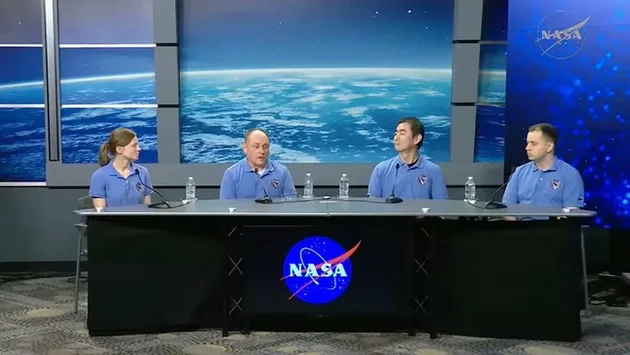
A sudden medical emergency aboard the International Space Station (ISS) left NASA tight-lipped about the details—but the story behind the evacuation is finally emerging. Crew-11 had to leave the orbiting laboratory last week, marking one of the rare instances where astronauts returned early due to health concerns. While the specific illness remains undisclosed, the astronauts revealed how onboard medical technology played a critical role in ensuring everyone returned safely.
During the press conference following their Jan. 15 splashdown, Crew-11 described how the ISS’s onboard ultrasound unit became central to diagnosing the unknown condition. Without the ability to rely on full-scale hospital equipment, astronauts had to perform a careful assessment using the compact device. This step allowed them to determine the seriousness of the illness and ultimately triggered the decision to evacuate the station.
Astronauts emphasized that this incident underscores the need for similar medical tools on all future space missions. “We don’t have other big machines that we have here on planet Earth,” said NASA’s Mike Fincke. “This situation proves that compact, versatile devices can make the difference between life and death in orbit.”
The evacuation itself was unprecedented. Crew-11 followed strict protocols to leave the station safely, relying on precise calculations and careful coordination with mission control. Though NASA has not disclosed which astronaut required urgent care, the successful operation highlights how well-prepared teams can manage unexpected crises in space.
Safety procedures now include rapid medical evaluations using portable diagnostic equipment, ensuring that even rare emergencies do not become catastrophic. The astronauts also praised the extensive training they received for such scenarios, which allowed them to remain calm and execute the evacuation smoothly.
This episode has broader implications for space exploration. With long-duration missions to the Moon and Mars on the horizon, compact medical equipment like ultrasound units could become standard. Early diagnosis and rapid intervention can prevent serious complications when immediate hospital care is unavailable.
NASA officials also noted that the teamwork and problem-solving skills demonstrated during the evacuation are a model for future missions. Every astronaut, from seasoned veterans to newer crew members, contributed to keeping the mission safe, proving that preparation and technology go hand-in-hand when lives are at stake.
While technical details dominate headlines, the incident also reveals the emotional weight of space missions. Astronauts operate under immense pressure, far from Earth and family, facing dangers that most people cannot imagine. This mystery illness, though now contained, serves as a reminder of the fragility of human life in space and the importance of equipping crews with both knowledge and tools to respond effectively.
Crew-11’s experience could reshape how NASA and international space agencies approach medical readiness. From compact diagnostic tools to enhanced training programs, the lessons learned are likely to influence astronaut safety protocols for decades to come.










Comment