Alerts

-
5 minutes, 43 seconds
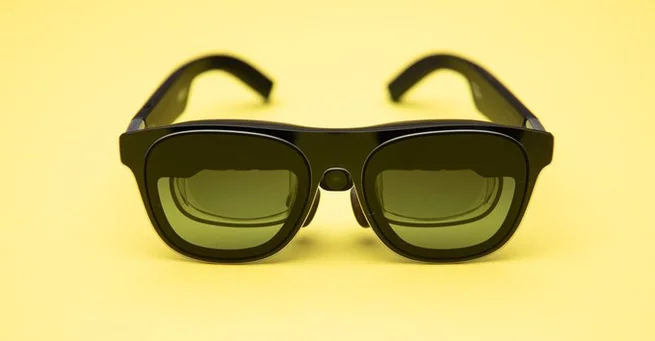
Xreal 1S AR Glasses Arrive With a Welcome Price Drop
Xreal 1S AR glasses are officially here, and CES 2026 attendees are getting the first look at what the company calls a smarter, more affordable upgrade. Shoppers searching for entry-level AR glasses, pricing details, or real-world improvements will find clear answers right away. Priced at $449, the Xreal 1S costs $50 less than its predecessor while quietly improving several core specs. The glasses also introduce native 2D-to-3D video conversion without requiring extra apps or proprietary players. That combination of lower cost and added functionality positions the 1S as a compelling option for casual AR users. While not a dramatic redesign, the update focuses on usability and value. For many buyers, that balance may matter more than flashy innovation.
Familiar Design With Subtle but Useful Hardware Upgrades
At first glance, the Xreal 1S AR glasses look almost identical to the Xreal One and One Pro models. The sunglasses-style frame and wired connection remain unchanged, reinforcing the brand’s minimalist approach to augmented reality. Under the hood, however, Xreal delivers a modest “S-year” spec bump that improves everyday viewing. Resolution increases from 1080p to 1200p Full HD, giving text and video a slightly sharper appearance. Brightness also climbs from 600 to 700 nits, which should help visibility in brighter environments. The field of view expands to 52 degrees, up from 50, offering a bit more immersion without sacrificing comfort. A new 16:10 aspect ratio replaces 16:9, making the display feel more monitor-like for productivity.
Built-In 3D Conversion Targets Casual Media Fan
One of the most interesting additions to the Xreal 1S is built-in 2D-to-3D video conversion. Unlike previous solutions, this feature works without additional software, apps, or special media players. Users can simply connect their device and toggle the feature directly on the glasses. For casual movie watching or streaming, this lowers the barrier to experimenting with 3D content. While it won’t replace native 3D production, it adds a sense of depth that many users find engaging. This move signals Xreal’s focus on simplifying AR experiences rather than adding complexity. For first-time buyers, convenience may be the deciding factor.
Positioned Between AR Glasses and Smart Headsets
Xreal continues to occupy a niche that sits between full AR headsets and AI-powered smart glasses. The Xreal 1S AR glasses project a large private screen from a phone, tablet, or laptop, acting as a portable second monitor. Unlike Ray-Ban Meta glasses or similar AI-focused wearables, the 1S prioritizes display over cameras or voice assistants. That said, it still supports Xreal’s optional modular Eye camera for POV photos and video. This flexible approach lets users choose whether they want visual immersion alone or light capture features. The result is a device that feels purpose-built for media consumption and productivity. It avoids the bulk and social friction of traditional headsets.
Small Refinements Improve Durability and Travel Use
Beyond display upgrades, Xreal made a few practical improvements that may matter more over time. The USB-C port has been reinforced, addressing a common wear point for wired AR glasses. A redesigned travel case is also included, making it easier to protect the glasses on the go. These changes suggest Xreal is listening closely to existing users rather than chasing experimental features. While the refresh rate remains capped at 120Hz, that level is already sufficient for smooth video and light gaming. The overall package feels more polished, even if it isn’t revolutionary. Incremental refinement appears to be the strategy.
Why the Xreal 1S Could Be the Best Entry Point Yet
Taken together, the Xreal 1S AR glasses represent a calculated step forward for the brand. Better resolution, higher brightness, built-in 3D conversion, and a lower price create a strong value proposition. For newcomers curious about augmented reality without committing to a bulky headset, the 1S feels approachable. Existing Xreal users may not see enough to justify an upgrade, but new buyers likely will. By focusing on affordability and ease of use, Xreal strengthens its position in the growing AR accessory market. Sometimes, the smartest upgrade is simply making good tech easier to own.










Comment