Alerts

-
7 minutes, 55 seconds
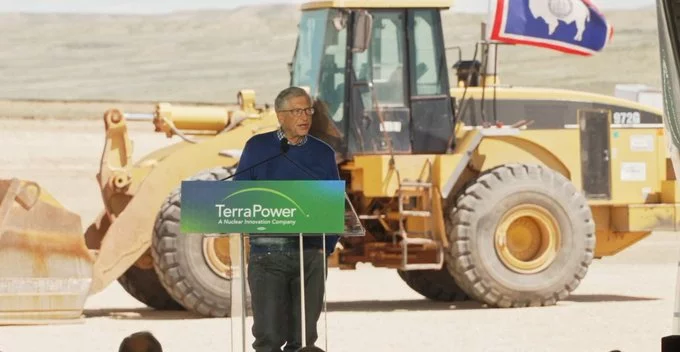
The Natrium nuclear reactor has officially received approval to begin construction in Wyoming, marking a historic milestone for advanced nuclear technology. This next-generation reactor is designed to be safer, more efficient, and capable of storing energy to meet rising electricity demand. With construction expected to finish by 2030, the project represents a major step forward for clean energy innovation and could reshape how countries power grids struggling with growing demand from AI data centers and electrification.
A major milestone has been reached in the nuclear energy sector after regulators approved construction of a commercial-scale next-generation nuclear reactor in Wyoming. The reactor will be built by TerraPower, a nuclear innovation company founded by Bill Gates, and represents the first advanced reactor design to receive a federal permit for commercial construction.
Approval signals growing confidence in new nuclear technologies that promise improved safety and efficiency compared with traditional nuclear power plants. It also marks the first time in nearly a decade that a commercial nuclear reactor will be built in the United States.
The project has been closely watched by governments, energy experts, and technology companies searching for reliable clean power sources. Rising electricity demand from artificial intelligence infrastructure and data centers has accelerated interest in next-generation nuclear solutions capable of delivering stable energy without carbon emissions.
Construction activities began at the Wyoming site in 2024 with preliminary work. The reactor itself will now move forward toward full construction, with completion targeted for 2030.
The Natrium reactor design differs significantly from traditional nuclear plants currently operating around the world. Conventional nuclear facilities typically rely on water cooling systems that operate under extremely high pressure.
The Natrium system instead uses liquid sodium as a cooling agent, allowing the reactor to operate at lower pressure while improving efficiency. This design reduces the need for heavy shielding and lowers construction costs, making the technology more practical for widespread deployment.
Another unique feature is its molten salt-based energy storage system. This system allows the plant to store excess heat and convert it into electricity when demand spikes.
Under normal operation, the reactor produces around 345 megawatts of electricity. However, when demand rises, the storage system allows the plant to temporarily increase output to approximately 500 megawatts.
This flexibility makes the technology particularly useful for modern electricity grids that must handle fluctuating energy demand throughout the day.
Electricity demand is growing rapidly across the globe, driven by electrification, digital services, and artificial intelligence computing infrastructure. Data centers alone are projected to consume enormous amounts of electricity over the coming decade.
Traditional renewable energy sources such as solar and wind play a critical role in reducing emissions, but they are intermittent by nature. Nuclear energy provides consistent baseload power, meaning it can produce electricity continuously regardless of weather conditions.
Next-generation nuclear reactors aim to improve on older designs by offering enhanced safety features, reduced waste production, and greater efficiency. Smaller, more flexible reactors are also easier to deploy in regions where building massive traditional nuclear plants would be difficult or expensive.
Energy experts believe advanced reactors like Natrium could complement renewable energy systems, creating a balanced grid that is both reliable and environmentally sustainable.
Climate change remains one of the most pressing global challenges, pushing governments and industries to accelerate the transition to low-carbon energy sources. Nuclear power produces electricity without generating greenhouse gas emissions during operation, making it a valuable tool in the clean energy transition.
Bill Gates has long argued that nuclear innovation is essential to achieving large-scale decarbonization. Modern reactor designs focus on improving safety, minimizing waste, and using fuel more efficiently than previous generations.
Advanced reactors can also be designed to shut down automatically in emergency situations, reducing the risks associated with older nuclear plants. These improvements aim to address public concerns about nuclear safety while delivering reliable carbon-free energy.
As nations work toward climate targets, advanced nuclear technology is increasingly viewed as a potential bridge between fossil fuel power and a fully renewable future.
The Wyoming Natrium plant is expected to become a demonstration of next-generation nuclear technology operating at commercial scale. If successful, the project could pave the way for additional advanced reactors across the United States and other parts of the world.
Several companies are currently racing to develop small and advanced nuclear reactors capable of supporting future energy demand. Governments and private investors are watching closely to see which designs prove most viable.
The success of this project could influence energy policies, infrastructure investments, and the role nuclear power plays in future electricity grids.
For regions facing growing demand and climate pressures, advanced nuclear reactors may offer a compelling path toward stable, low-carbon energy production.
Approval of the Natrium reactor marks more than just another energy project—it represents a turning point for nuclear technology. After years of research and development, advanced reactor designs are finally moving from concept to real-world deployment.
The Wyoming facility will serve as one of the most closely monitored nuclear projects in the coming decade. Engineers, policymakers, and climate experts will analyze its performance to determine whether advanced reactors can deliver on their promises.
If the project succeeds, it could help reshape the global energy landscape by providing a powerful new tool for clean electricity generation.
With construction expected to finish by 2030, the Natrium reactor may soon become a defining example of how innovation, technology, and climate goals can intersect to create the energy systems of the future.










Comment