
-
5 minutes, 12 seconds
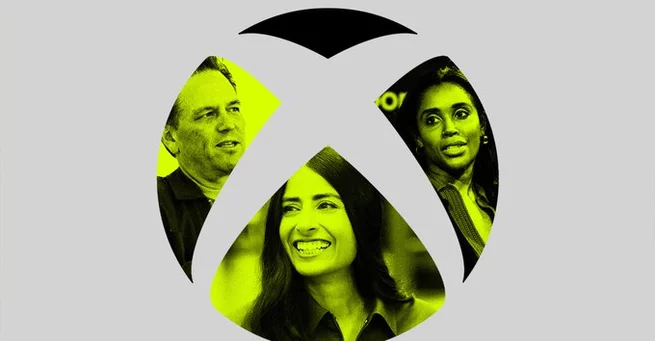
Xbox fans are reeling as Microsoft announces major leadership changes in its gaming division. Phil Spencer, the visionary leader who transformed Xbox over more than a decade, is stepping down. Even more surprising, his presumed successor, Sarah Bond, is leaving as well. Microsoft’s gaming empire, which includes giants like Halo, Minecraft, and Call of Duty, now falls under the leadership of Asha Sharma, an AI executive with no prior game industry experience.
This sudden shift has sparked questions about the future of Xbox. Will Microsoft continue the strategies that made Xbox a major console player, or is this the start of a dramatic pivot that could redefine the division?
Asha Sharma’s appointment signals a potential new direction for Xbox. Known for her work in AI at Microsoft, Sharma brings a technology-first perspective rather than traditional gaming experience. Analysts speculate this could mean deeper integration of AI across Xbox services, from smarter in-game experiences to AI-driven content creation.
However, the gaming community remains skeptical. Experience matters in maintaining franchise quality and player trust. Sharma’s lack of a gaming background raises concerns about whether Microsoft can sustain Xbox’s competitive edge against PlayStation, Nintendo, and emerging cloud gaming platforms.
Phil Spencer didn’t just run Xbox—he reshaped it. Under his leadership, Xbox Game Pass became a market-changing subscription service, and acquisitions like Bethesda strengthened Microsoft’s exclusive game lineup. Spencer also championed cross-platform gaming and accessibility, positioning Xbox as a forward-thinking brand.
With Spencer gone, the future of these initiatives is uncertain. Will Microsoft double down on subscriptions and AI integration, or will franchises like Halo and Minecraft face changes in creative direction? Industry watchers are closely monitoring Sharma’s early moves for hints about the division’s strategy.
This leadership shift comes at a crucial moment for Microsoft. Xbox faces fierce competition, not only from Sony and Nintendo but also from cloud and mobile gaming. Game Pass has been a major growth engine, but sustaining momentum requires continuous investment in high-quality games and platform innovation.
Microsoft’s choice to appoint an AI-focused executive suggests the company may prioritize technology-driven changes over traditional game development. This could transform Xbox into a platform less about consoles and more about AI-powered gaming experiences. The gamble is high: success could redefine the console industry, while missteps could alienate loyal players.
Gamers and industry analysts are expressing mixed reactions. Some applaud Microsoft’s forward-looking approach, hoping Sharma brings fresh ideas to a division often criticized for conservative strategies. Others worry that a tech-first focus might compromise the creative core that drives beloved franchises.
Social media buzz reflects this tension. Memes about Spencer’s departure mix humor with genuine concern, showing how emotionally invested the gaming community is in Xbox’s direction. For Microsoft, balancing AI innovation with game quality will be essential to maintain credibility.
The next few months will be critical for Xbox. Investors, developers, and fans alike will be watching Sharma’s leadership style, upcoming game releases, and Game Pass strategy. Microsoft’s ability to blend AI innovation with its gaming heritage could set a new industry standard—or risk losing hard-won loyalty.
While uncertainty dominates the headlines, one thing is clear: Xbox’s future will be very different from its past. Microsoft is taking a bold gamble, and the gaming world is holding its breath to see if it pays off.

2.5K articles

1.3K articles

34 articles

28 articles














Comment