Alerts

-
6 minutes, 15 seconds
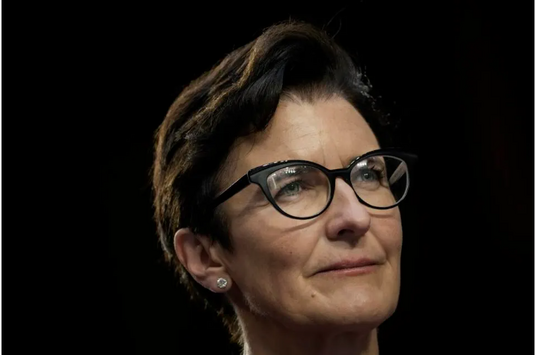
Do women get promoted to CEO based on merit—or preferential treatment through diversity programs? This is one of the most frequently asked questions as companies continue to debate the impact of diversity, equity, and inclusion (DEI) in executive leadership. A new report has a clear answer: Few women make it to the CEO role, but those who do are often more qualified than their male peers. Despite progress, significant barriers remain—but the idea that women are handed top jobs is far from the truth.
Critics of DEI argue that such initiatives lower the bar, giving women and minorities a leg up at the expense of competence. Former President Donald Trump recently echoed this viewpoint, suggesting that DEI leads to hiring based on race or gender rather than skill. However, research tells a different story.
A new analysis by WomensPowerGap.org, a nonprofit focused on leadership equity, studied the career paths of all CEOs currently leading S&P 500 companies. Their goal? To find out whether female CEOs are promoted based on merit or if DEI efforts are inflating their qualifications.
The findings were eye-opening:
Women were 32% more likely than men to have served as company president before becoming CEO.
10% of female CEOs had prior CFO experience, compared to just 6% of men.
These stats suggest not only equal competence but superior experience among women who reach the top. The report concludes, “DEI is not about hiring unqualified candidates; it is about dismantling structural barriers.”
Despite being highly qualified, women remain underrepresented in the CEO ranks. As of 2024, only 48 CEOs in the S&P 500 are women—less than 10%. That’s progress from just nine in 2000, but the climb remains steep. A key reason? What researchers call “the final drop.”
Even when women secure launch positions—roles traditionally seen as a step away from the CEO seat—they’re less likely to be promoted. In fact:
Women are three times more likely to be stuck one step below CEO.
In 2024, 24% of launch roles in the S&P 100 were held by women, but none were chosen as CEO among the 10 new appointments that year.
It’s not about talent—it’s about perception and bias. The report points out that exceptionally qualified men are often viewed as “flight risks” who need quick promotion. Exceptional women, on the other hand, are expected to stay loyal, reducing the urgency to move them up.
Beyond promotion patterns, women face systemic hurdles in the types of roles they’re encouraged to take on. Women are often steered toward departments like HR, sustainability, and communications—important areas, but rarely considered CEO pipelines. Meanwhile, men are pushed toward profit-driving divisions, giving them a direct path to top leadership.
And the representation gap deepens across race and ethnicity. Currently, no Black or Hispanic women lead an S&P 500 company. Additionally, while founders like Elon Musk and Mark Zuckerberg have become CEOs of the companies they started, no woman founder currently holds a CEO title in the S&P 500.
These disparities aren’t a reflection of ability, but of systemic challenges.
The women who do become CEOs don’t owe their success to DEI alone—they’ve often had to work harder and be more qualified to reach the same place. As Andrea Silbert, president of the Eos Foundation, explains, “These efforts don’t guarantee promotion—they ensure a fair opportunity for promotion.”
Dismissing female CEOs as diversity hires doesn’t just ignore the data—it further undermines the progress made. “The progress women have made in leadership has been earned, not given,” Silbert adds.
To close the CEO gender gap, companies need to:
Rethink internal talent pipelines.
Encourage women to take on bottom-line roles.
Address unconscious bias in promotion decisions.
Track progress transparently.
Because when women do reach the top, they bring not only diversity but deep experience and capability.
Curious to learn more about workplace equity, leadership trends, and breaking the glass ceiling? Share this article with your network or explore our latest leadership insights and DEI research. Let’s continue the conversation—and the progress.










Comment