
Alerts
-
7 minutes, 17 seconds
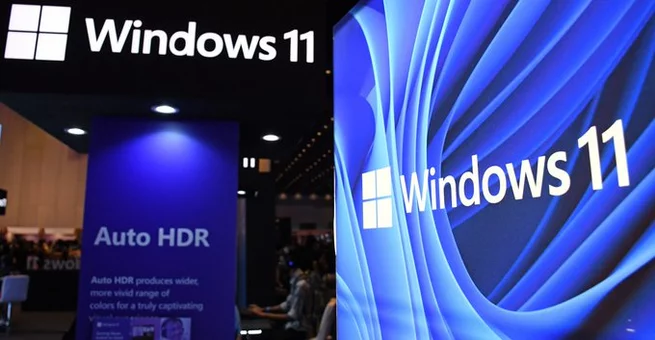
Windows 11 has officially crossed the one billion user mark, answering one of the most common questions tech users have been asking: Is Windows 11 adoption really accelerating? The answer is yes—and faster than many expected. Microsoft confirmed the milestone during its recent holiday quarter, showing that Windows 11 reached one billion users in fewer days than Windows 10. The surge highlights how upgrades, new PCs, and shifting support timelines are reshaping the Windows ecosystem.
This achievement places Windows 11 among the fastest-adopted desktop operating systems in history, despite early skepticism around hardware requirements and user hesitation.
Microsoft executives publicly acknowledged the milestone during the company’s fiscal Q2 2026 earnings discussion. According to leadership, Windows 11 usage is up more than 45 percent year over year, a striking growth rate for a platform that initially faced resistance.
This growth did not happen overnight. It reflects consistent momentum throughout 2025, capped by a strong holiday season where millions of new PCs shipped with Windows 11 preinstalled. The data also suggests that existing users are increasingly choosing to upgrade rather than remain on older versions.
For Microsoft, this milestone reinforces Windows as a core pillar of its consumer and enterprise strategy.
What makes this moment especially notable is how quickly Windows 11 reached the billion-user threshold. The operating system achieved this in approximately 1,576 days. By comparison, Windows 10 took about 1,706 days to reach the same milestone.
While the difference may appear modest at first glance, it represents millions of users adopting Windows 11 at a faster pace. This acceleration is significant given that Windows 10 once benefited from aggressive free upgrade campaigns and a broader range of supported devices.
The numbers show that Windows 11 is not just catching up—it is outpacing its predecessor.
One of the biggest drivers behind Windows 11 adoption is Microsoft’s decision to end support for Windows 10 later in 2026. As the deadline approaches, individuals and organizations are reassessing their long-term plans.
For businesses, staying on unsupported software introduces security and compliance risks. For consumers, it raises concerns about updates, performance, and compatibility. As a result, many users have chosen to move to Windows 11 earlier than planned.
This transition has also boosted Windows-related revenue, particularly from device manufacturers selling new PCs designed specifically for Windows 11.
The holiday quarter played a major role in pushing Windows 11 past the one billion mark. New laptops and desktops sold during this period almost universally shipped with Windows 11, leaving buyers little reason—or ability—to choose older versions.
These devices often come optimized for newer processors, faster storage, and AI-powered features that align closely with Windows 11’s design goals. For first-time PC buyers or those upgrading after several years, Windows 11 felt like a natural step forward rather than a forced change.
This seasonal boost added millions of active users in a short timeframe.
When Windows 11 launched, criticism focused heavily on strict hardware requirements and interface changes. Some users delayed upgrading, unsure whether the new system justified the shift.
Over time, those concerns have softened. Regular updates improved performance, refined usability, and expanded compatibility. Features focused on productivity, security, and modern workflows helped change perception from “optional upgrade” to “recommended standard.”
The steady climb to one billion users suggests that Windows 11 has earned broader trust, even among initially skeptical audiences.
For Microsoft, Windows 11 is more than just another operating system. It serves as a foundation for future experiences across productivity, gaming, security, and AI-driven tools. Reaching one billion users ensures that new features can scale quickly and consistently.
A unified user base also simplifies development for hardware partners and software creators. When most users are on the same platform, updates roll out faster and innovations reach more people with fewer compatibility issues.
This milestone strengthens Microsoft’s long-term vision for Windows as a modern, continuously evolving platform.
For everyday users, the growth of Windows 11 brings practical benefits. Larger adoption typically means better app support, more frequent updates, and improved stability. Developers prioritize platforms with the biggest audiences, and Windows 11 now clearly qualifies.
It also signals that Windows 11 is no longer “new” or experimental. With one billion users actively running it, the operating system has entered a mature phase where refinements matter more than radical change.
Users still on older versions may find that the ecosystem increasingly favors Windows 11 going forward.
Reaching one billion users faster than Windows 10 is not just a headline—it is a signal. Windows 11 has overcome early hesitation, benefited from strategic timing, and capitalized on hardware refresh cycles to become the dominant desktop operating system.
As Windows 10’s support window closes and new devices continue to ship, Windows 11’s user base is likely to grow even further. The milestone marks a turning point where adoption is no longer a question, but a given.
For Microsoft and its users alike, Windows 11 has firmly secured its place at the center of the PC experience.










Comment