Alerts

-
5 minutes, 52 seconds
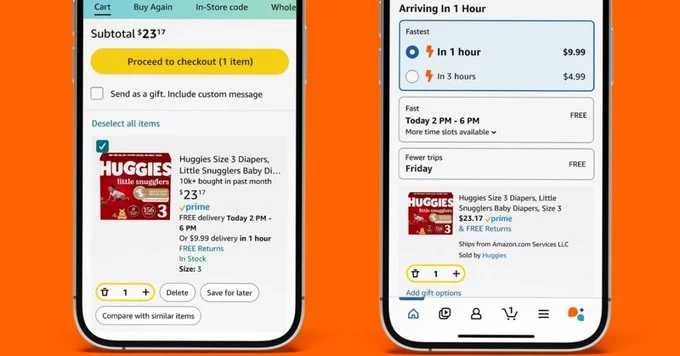
Amazon one-hour delivery is now easier to find and use thanks to a newly launched “getitfast” page designed to highlight ultra-fast shipping options. Shoppers can quickly browse items available for delivery within one hour or three hours, without digging through standard listings. The update also introduces smarter search filters and visible product tags, helping users identify eligible items instantly. This move answers a common question many online shoppers have: how to get products delivered as fast as possible without complicated searches or guesswork.
The new “getitfast” page acts as a dedicated hub for speed-focused shopping. Instead of scrolling through thousands of products, users are now presented with items specifically available for rapid delivery in their area. This streamlined experience reduces friction and saves valuable time, especially for urgent purchases like household essentials or last-minute needs.
In addition to the page, Amazon has rolled out filters that allow shoppers to refine results based on delivery speed. Whether someone needs an item within one hour or can wait up to three hours, the platform now makes those options highly visible. Product tags further reinforce this clarity by marking eligible items directly in search results, making the experience intuitive even for first-time users.
Amazon’s one-hour delivery service is already available in hundreds of cities and towns, with broader three-hour delivery coverage spanning thousands more. Major metropolitan areas benefit the most, but smaller cities and suburban regions are increasingly being included. This signals a continued push toward faster logistics beyond densely populated urban centers.
The company has also confirmed plans to expand these delivery options even further in the coming months. By increasing accessibility, Amazon is positioning same-day delivery as a standard expectation rather than a premium perk. This shift could significantly change how consumers approach online shopping, especially when speed becomes a deciding factor.
While convenience is the main selling point, pricing still plays an important role. One-hour delivery typically comes at a higher cost, with lower fees for members compared to non-members. Three-hour delivery offers a more affordable alternative, appealing to shoppers who want speed without paying the highest premium.
Standard same-day delivery remains available as a free option for qualifying orders, making it a balanced choice for less urgent purchases. This tiered pricing strategy allows users to choose between cost and speed depending on their immediate needs, offering flexibility rather than a one-size-fits-all approach.
Behind the scenes, Amazon has been investing heavily in logistics innovation to support these rapid delivery timelines. The company has experimented with ultra-fast delivery models, including trials of 30-minute shipping in select locations. While not widely available yet, these tests highlight the direction Amazon is heading.
New fulfillment centers, robotics systems, and improved inventory management are all part of the strategy. By placing products closer to customers and automating processes, Amazon reduces delivery times significantly. This infrastructure investment is key to scaling one-hour delivery beyond limited regions and making it more widely accessible.
The rise of one-hour delivery is likely to reshape consumer expectations. As shoppers grow accustomed to near-instant gratification, traditional delivery timelines may start to feel outdated. This shift could influence buying decisions, with speed becoming just as important as price and product quality.
At the same time, faster delivery options may create challenges for smaller retailers that cannot match the same level of logistics efficiency. While consumers benefit from convenience, the broader retail landscape could see increased pressure as large-scale platforms continue to innovate and expand.
Amazon’s latest update marks another step toward a future where waiting days for deliveries becomes increasingly rare. With the “getitfast” page, enhanced filters, and expanding coverage, one-hour delivery is moving closer to mainstream adoption.
For shoppers, the benefits are clear: faster access to products, easier navigation, and more control over delivery speed. As Amazon continues to refine its logistics network, the line between online and instant shopping continues to blur, setting a new standard for convenience in 2026.










Comment