Alerts

-
2 minutes, 47 seconds
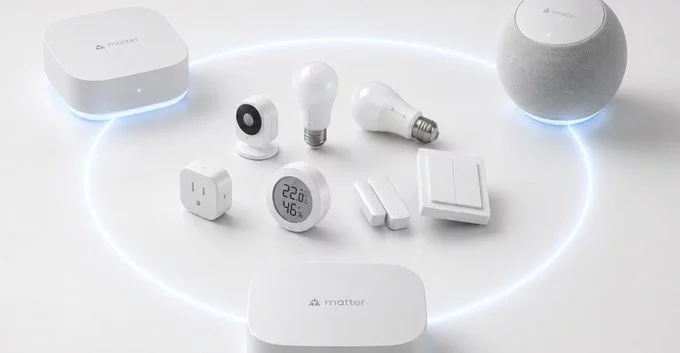
After years of promises, the smart home standard Matter is finally here. But will Matter finally be able to do what it should have always done: make your smart devices work together seamlessly? In short, the answer is yes—but with some important caveats. Matter is a new, open standard designed to let smart home devices from different brands communicate without needing multiple apps or hubs. However, its success depends on widespread adoption and regular updates.
Matter is a unified connectivity standard backed by tech giants like Apple, Google, Amazon, and Samsung. Its goal is simple: allow smart lights, locks, sensors, and more to work together regardless of the brand. Think of it as a universal language for smart home devices.
For years, the smart home market was a mess. You needed a separate app for your lights, another for your thermostat, and maybe a hub for your locks. Matter aims to fix this by creating a single standard. But the reality is more complex.
If you buy a new Matter-certified smart bulb and a Matter-certified smart plug, they will likely work together out of the box. You can control them with your preferred voice assistant (Alexa, Google Assistant, or Siri) without jumping through hoops. This is a huge step forward.
If you want to benefit from Matter now, here are a few tips:
Matter is not a magic bullet, but it is a significant improvement. As more manufacturers adopt the standard, the smart home experience will become simpler and more reliable. The key is for companies to stay committed and for users to demand Matter support in their next purchase.
In conclusion, Matter is finally doing what it should have always done—unifying the smart home. But it's a journey, not a destination. With time, updates, and wider adoption, it could become the standard we always needed.









Comment