The Future of Ink? Inside Blackdot’s Automated Tattooing Device
Tattoos are more mainstream than ever, and the rise of new technology is pushing the limits of how ink meets skin. That’s where the automated tattooing device by Blackdot enters the conversation. Dubbed the world’s first of its kind, this machine isn’t a robot in the traditional sense—it doesn’t think for itself—but it is drawing sharp lines between tech innovation and tattoo tradition. With demand for tattoos rising, many are asking: could this device redefine how tattoos are made?
What Is Blackdot’s Automated Tattooing Device?
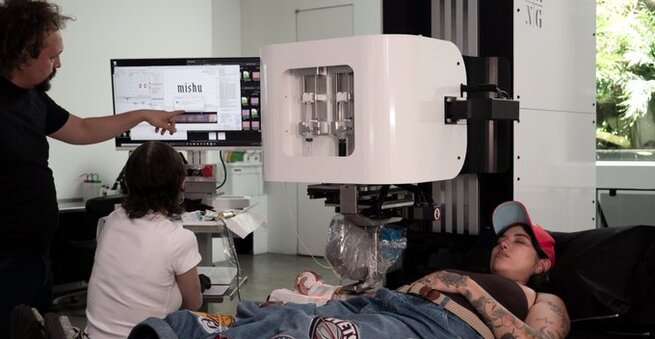
At first glance, the machine looks like a hybrid between a medical scanner and a 3D printer. Inside a small Austin studio, Blackdot’s founder Joel Pennington gave a firsthand look at the device and its synthetic skin testing materials—formerly even using pigskin sourced from local markets to fine-tune precision. Though it hums like industrial hardware, Pennington insists it isn’t a robot. Instead, it follows carefully programmed instructions, allowing it to perform consistent, error-free text tattoos without fatigue or guesswork.
Why It’s Causing Buzz in Tattoo Studios
Reactions to the automated tattooing device have been mixed. Some tattoo studios, like the renowned Bang Bang in New York, have already embraced the technology, using it to handle simple designs like names or quotes. Others remain cautious, fearing it may signal the start of automation in yet another deeply human, artistic industry. Will machines start replacing artists? Probably not anytime soon—but the conversation is heating up.
What This Means for Tattooing and Tech
Automation has already revolutionized sectors from manufacturing to writing. Tattooing, rooted in self-expression and trust, now faces the same transformation. As more people—especially millennials—get inked, the need for speed, safety, and consistency grows. Blackdot’s automated tattooing device might not replace artists, but it could shift how we view tattoo work: from pure art to something that blends craftsmanship with code.










Comment