Alerts

-
4 minutes, 8 seconds
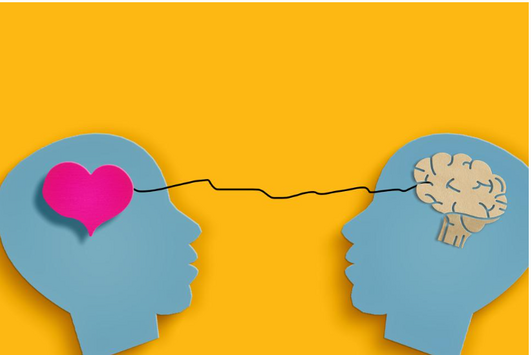
Empathy in the workplace is no longer a “soft skill” that’s nice to have—it’s a business-critical strength. In today’s fast-paced, high-stress work environments, employees are craving human-centered leadership more than ever. From reducing burnout to improving collaboration and retention, empathy has become a key driver of long-term success. But what does empathy actually look like in action at work? And how can leaders develop it in a way that’s genuine, not performative? This post breaks down why empathy matters and how to build it into your company’s DNA.
When empathy is integrated into leadership and culture, it leads to stronger performance, innovation, and trust. Leaders who listen, acknowledge emotions, and adapt accordingly create environments where employees feel safe to speak up and contribute ideas. This emotional safety fosters creativity and problem-solving. Additionally, empathy plays a crucial role in employee retention. Today’s workforce is looking for more than compensation—they want to work for organizations that value and support them as individuals. Empathy ensures employees feel seen, reducing the risk of disengagement, quiet quitting, or burnout.
Many leaders confuse empathy with sympathy, but they’re not the same. Sympathy is feeling for someone; empathy is feeling with them. It’s about understanding someone else’s emotional state without judgment—even if you don’t share their experience. Nicole Ennen, empathy consultant and founder of Org Empathy Consulting, explains that empathy is a leadership muscle that can be developed through cognitive (understanding others’ perspectives), emotional (connecting authentically), and behavioral (acting in ways that reflect care) components. Unlike sympathy, empathy invites connection, not pity—and that’s what builds trust.
So how can leaders show empathy in a way that drives real impact? Start by truly listening—this means creating space to hear without immediately solving, judging, or reacting. Show vulnerability where appropriate to encourage openness. Then, take action that reflects what you’ve heard. Whether it’s adjusting workloads, acknowledging stressors, or celebrating small wins, tangible responses to employee concerns show that empathy is more than a buzzword. As Ennen puts it, empathy should be visible—not assumed. People need to see it to believe in it.
The good news? Empathy can be learned. Organizations can strengthen empathy by training leaders in emotional intelligence, creating feedback loops, and embedding it into everyday processes—from hiring to performance reviews. Encourage cross-cultural exposure, active listening exercises, and space for employee voice. And most importantly, model empathy from the top down. In an era defined by automation and uncertainty, empathy is the human edge that future-proofs your organization. It’s the key to attracting top talent, adapting quickly, and building resilient teams that thrive in change.










Comment