
Alerts
-
3 minutes, 11 seconds

Self-driving cars are becoming more common in cities, and many residents have noticed a curious trend: Waymo robotaxis often stop or idle in front of certain houses. The question many people ask is, why do Waymos keep parking in front of my home? The answer lies in how their algorithms determine safe waiting zones, where to idle between rides, and how traffic rules guide autonomous decision-making. Understanding this behavior can help reduce confusion and make the experience of sharing neighborhoods with autonomous vehicles less unsettling.
Waymo robotaxis don’t park randomly. Their onboard AI looks for safe, legal spots that meet traffic laws and minimize disruption. Sometimes, this means returning to the same familiar street where the vehicle has previously idled without issue. If your home happens to be near a convenient location—such as a wide residential street or close to common pickup zones—Waymos may “prefer” your block.
Certain houses or blocks unintentionally become Waymo waiting areas because the system prioritizes consistency and safety. Unlike human drivers who might choose different parking spots out of convenience, autonomous cars rely on patterns. If a location has proven to be safe and available, the algorithm may send multiple cars there over time. To residents, it may feel like the vehicles are intentionally “choosing” their homes, but it’s really an AI-driven calculation.
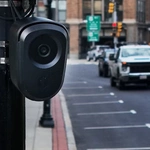
Reactions to Waymo parking behavior vary. Some residents find it amusing or harmless, while others express concern about constant vehicle presence, cameras, and beeping backup signals. Just like rideshare scooters once created friction in neighborhoods, autonomous vehicles are sparking new questions about how technology integrates into everyday life. Transparency about how these systems work is essential for building trust.
As autonomous driving technology evolves, parking and idling behaviors are likely to improve. Companies like Waymo are continuously refining algorithms to reduce disruptions, balance efficiency with neighborhood comfort, and comply with city regulations. For residents, this means fewer surprises and more predictable interactions with self-driving cars. Over time, what now feels unusual may simply become another everyday feature of modern city life.









Comment