Alerts

-
5 minutes, 48 seconds
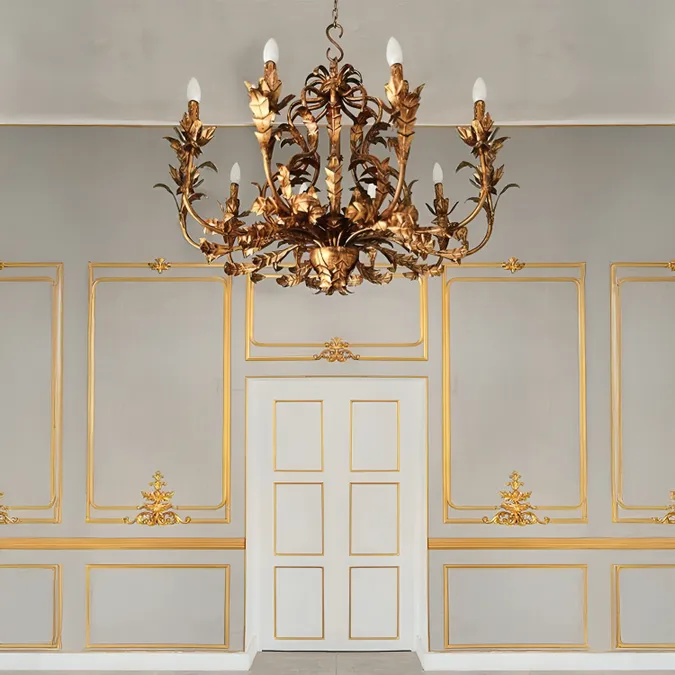
A chandelier does more for a room than most people expect from a single light fixture. It sits at the center of a ceiling and pulls the whole room's attention toward it, which means the wrong choice can throw off a space that's otherwise well designed. Across Pakistan, chandeliers have long been a sign of a finished, formal room, usually placed in dining areas, living rooms, or entryways where guests notice them first. But the styles people are choosing have shifted a lot over the past few years, moving between two broad directions, classic and modern, each suited to a different kind of home.
Choosing between the two isn't just about personal taste. Ceiling height, room size, existing furniture and even the amount of natural light in a space all affect which style actually works. A chandelier that looks great in a showroom photo can look completely wrong once it's hanging in a room that wasn't built with that specific style in mind.
Classic chandeliers usually lean on detail. Crystal drops, curved iron or brass arms and layered tiers are common features and the overall shape tends to be symmetrical, hanging like a formal centerpiece rather than a simple light source. These designs suit homes with more traditional furniture, high ceilings and rooms where the goal is a formal, put-together look, like a dining room used for hosting guests.
Material choice plays a big role in how classic a chandelier feels. Brass and bronze finishes give a warmer, older look, while crystal or glass detailing adds shine without making the piece feel too modern. Iron frames, especially ones with curved or scrolled arms, are also common in classic designs, since the shape itself carries a lot of the traditional feel even before any glass or crystal is added.
Classic chandeliers generally need more ceiling height to look right. A large, tiered chandelier hanging too low in a room with a standard ceiling height can end up feeling heavy or out of place, which is one of the more common mistakes people make when picking a fixture without thinking through the room size first.
Modern chandeliers move away from the layered, symmetrical look and lean toward cleaner lines instead. Shapes tend to be simpler, sometimes a single ring, a cluster of bare bulbs, or a geometric frame without much extra detailing. Materials shift too, with matte black iron, brushed steel and clear or frosted glass replacing the crystal and brass finishes common in classic designs.
These fixtures suit homes with a more minimal interior, where the furniture already leans toward simple shapes and neutral colors. A modern chandelier in a room full of ornate, traditional furniture can look out of place, just as a classic crystal chandelier can feel too heavy in a room built around a clean, modern layout. Matching the fixture to the rest of the room's style matters just as much as picking a design that looks good on its own.
Modern chandeliers also tend to work better in rooms with lower ceilings, since the simpler shapes don't need as much vertical space to look balanced. This makes them a more practical choice for smaller homes or apartments across Pakistan, where ceiling height is often more limited than in older, larger houses.
Size is one of the most common mistakes people make when choosing a chandelier, regardless of style. A fixture that's too small for a room can look like an afterthought, while one that's too large can overwhelm the space and make the ceiling feel lower than it actually is. A general approach is to match the chandelier's width to the size of the table or seating area below it, keeping enough space around the edges so it doesn't feel cramped against the walls or nearby furniture.
Placement also depends on the room. Dining rooms usually center the chandelier directly above the table, positioned low enough to add warmth to the space but high enough to avoid blocking the view across the table. Living rooms and entryways have more flexibility, since there's often no single piece of furniture the fixture needs to align with, giving more room to treat the chandelier as a standalone design piece.
Ready-made chandeliers sold in local markets across Pakistan come in a limited set of sizes and finishes, which works for some homes but doesn't always match a specific ceiling height, room style, or existing decor. Custom chandelier design solves this by building the fixture around the actual room, matching the size to the ceiling height and the finish to other metal or glass details already used in the home. Red Line Collection works on this kind of custom lighting, combining classic and modern elements where needed to build a chandelier that fits a specific space rather than a general one.
1. What is the main difference between classic and modern chandeliers?
Classic chandeliers use detailed, layered designs with crystal or brass finishes, while modern chandeliers use simpler shapes and materials like matte black iron or frosted glass.
2. What ceiling height is needed for a classic chandelier?
Classic designs generally need higher ceilings since their layered, tiered shape needs more vertical space to look balanced in a room.
3. Are modern chandeliers better suited for small apartments?
Yes, modern chandeliers tend to work better in smaller spaces and lower ceilings because their simpler shapes need less vertical clearance.
4. How do I know what size chandelier my dining room needs?
A common approach is to match the chandelier's width to the size of the dining table, leaving enough space around the edges of the table.
5. Can classic and modern styles be combined in one chandelier design?
Yes, custom chandelier designs can mix elements from both styles, such as a simple modern frame with a few classic crystal accents.
6. What materials are most common in Pakistani chandelier designs?
Brass and iron are common in classic designs, while matte black metal and glass are more typical in modern chandelier styles.
7. Is a custom chandelier more expensive than a ready-made one?
Custom chandeliers usually cost more upfront, but they're built to match the exact room size and style, which ready-made options often can't do.
Choosing between a classic and modern chandeliers comes down to the room it's going into, not just personal preference. Classic designs suit taller ceilings and more traditional furniture, while modern styles work better in cleaner, simpler spaces with lower ceilings. Getting the size and placement right matters just as much as the style itself and a custom option often solves problems that ready-made fixtures can't handle. For anyone updating a home in Pakistan, taking the time to match the chandelier to the actual room makes a real difference in how the finished space looks.


8.3K articles

2.7K articles

1.6K articles

34 articles








Comment