
Alerts
-
6 minutes, 1 second
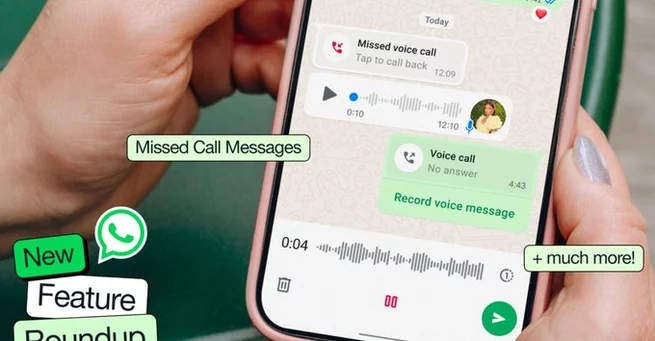
If you’ve been searching for how the new WhatsApp voicemail update works—or whether it finally replaces traditional voicemail—the answer is yes, at least according to WhatsApp. In its latest feature drop, the platform is rolling out a faster way to send voice or video messages when someone doesn’t pick up your call. The change is already generating interest from users who want a simpler, more modern alternative to outdated carrier voicemail systems. And because the update relies on existing WhatsApp tools, it’s designed to feel immediate, intuitive, and mobile-first for today’s messaging habits.
WhatsApp says the goal is simple: make “voicemails a thing of the past.” Now, when someone misses your voice or video call, you’ll be automatically prompted to record a message—without digging for icons or switching screens. The prompt appears instantly, matching the type of call you made, so you can leave a quick audio note or a short video clip. While it’s not traditional voicemail integrated into the dialer, it accomplishes the same purpose and delivers it where people spend most of their communication time anyway: inside chat threads.
Instead of sending users to a separate interface, WhatsApp builds the experience directly into its existing voice note and video tools. Once the missed-call contact opens their chat, your message appears right there at the top, ready to play. This approach eliminates friction and makes voicemail feel like part of an ongoing conversation rather than a chore. For users who rely heavily on voice notes—especially in regions where they’re more popular than typing—this update fits naturally into everyday messaging behavior.
Alongside the voicemail-style feature, WhatsApp is rolling out reactions during voice chats, giving users a new way to express themselves without interrupting conversations. These small animations and emoji cues help make voice calls feel more social, especially in group settings. It’s part of WhatsApp’s broader push to turn basic communication features into richer, more expressive interactions that appeal to younger and more engaged audiences.
Video calls are also getting a usability boost. A new auto-highlighting feature identifies who is speaking and subtly shifts the visual focus to them. It’s a quality-of-life update aimed at making group calls less chaotic, especially when multiple people join from mobile devices. With remote work, online classes, and digital meetups still popular, the update aligns with WhatsApp’s strategy of improving everyday, real-world communication scenarios.
WhatsApp’s latest update doesn’t stop at calls. Meta is also expanding its AI image generation features by integrating Midjourney and Flux AI models directly into chats. The move follows new partnership agreements signed earlier this year, giving users access to more advanced, creative, and realistic image outputs. For creators, marketers, and hobbyists, these models bring professional-grade image tools into a platform they already use daily.
Taken together, these updates show WhatsApp evolving beyond simple messaging. The voicemail-inspired missed-call messages, expressive reactions, smarter video call tools, and upgraded AI models all point toward a platform adapting to how people actually communicate in 2025. WhatsApp is betting that convenience and immediacy—not old-school voicemail systems—are what modern users want. And by building these experiences directly into chat, it’s aiming to make the platform feel more fluid, more personal, and more capable than ever.
For millions of users who rely on WhatsApp as their primary communication tool, these small improvements add up to meaningful changes. Missed call messages simplify follow-ups, reactions make conversations livelier, and smarter video calls reduce friction. And with new AI tools now part of the app, WhatsApp is blending utility with creativity in a way that keeps it competitive in a rapidly evolving messaging landscape. It’s not just reinventing voicemail—it’s redefining what a modern communication app can be.










Comment