Alerts

-
7 minutes, 36 seconds
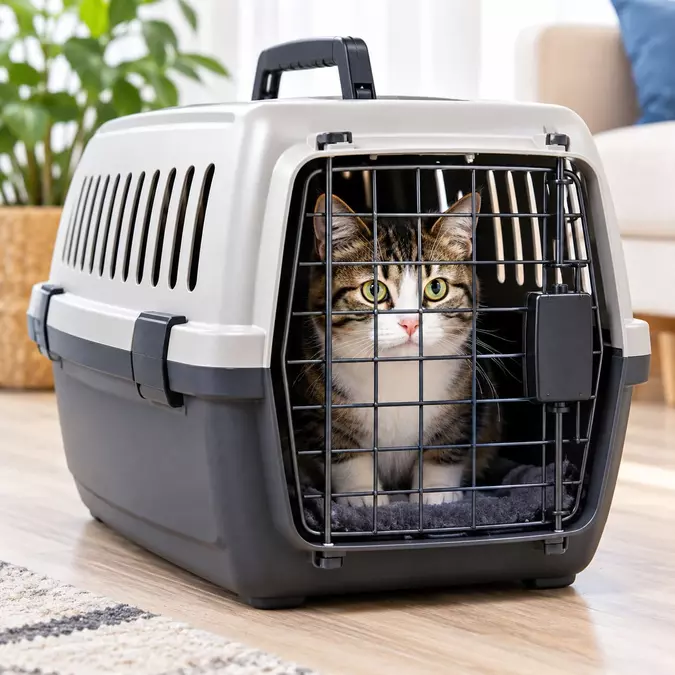
Moving a cat from one place to another can be more complicated than it first seems. Cats often prefer familiar surroundings, and a long journey can introduce unfamiliar people, sounds, vehicles, and routines. When your cat needs to travel across the UK or between the UK and Europe, a reliable Cat Transport Service can make the process more organised.
Professional cat transportation is designed to manage the practical side of the journey while keeping your cat secure and comfortable. From collection and travel arrangements to delivery at the destination, every part of the trip needs careful planning.
There are several reasons why an owner may need specialist cat transportation. You could be moving to another city, relocating to Europe, collecting a cat from a breeder, bringing a family pet to a new home, or arranging travel when you can't make the journey yourself.
Long-distance travel can involve route planning, vehicle arrangements, travel documents, timing, and safe handling. Managing everything alone isn't always convenient.
A professional service can coordinate the journey around the cat's requirements and the owner's collection and delivery arrangements.
Cats generally don't enjoy sudden changes in their environment. A journey that seems straightforward to a person can feel very different to an animal.
Traffic, unfamiliar smells, movement, noise, and handling can affect a cat during travel. That's why transportation should be planned around security and comfort rather than simply reaching the destination as quickly as possible.
A suitable transport arrangement gives the cat a secure space while allowing the courier to monitor the journey and follow the owner's care instructions.
Preparation should ideally begin before travel day. If your cat uses a carrier, allow it to become familiar with the carrier before the journey.
You can place familiar bedding inside and allow the cat to spend time near or inside it at home. This can make the carrier feel less unfamiliar.
Owners should also prepare important information for the courier, including feeding instructions, medication details, behavioural information, and emergency contact details.
A little preparation beforehand can make collection day much less stressful.
A cat should travel in a secure carrier that provides suitable ventilation and enough space for comfortable positioning. The carrier should be strong, stable, and properly secured during transportation.
A familiar blanket can provide a recognisable scent and may help the cat settle. However, the carrier shouldn't be overcrowded with unnecessary items.
Before the journey, check the carrier's door, locks, handles, and ventilation openings. A courier should also know about the carrier and any specific handling requirements before collection.
Cats can travel for several hours when the journey is properly planned. The appropriate arrangements depend on the individual animal, journey length, route, weather, and travel conditions.
For longer journeys, welfare checks and suitable breaks may be incorporated into the travel plan. Owners should provide clear instructions about feeding, water, medication, and any other requirements.
If your cat has previously struggled with long journeys, mention this before booking. Information about the cat's behaviour can help the transport provider prepare appropriately.
Door-to-door transportation allows a cat to be collected from an agreed address and delivered directly to the destination.
This can be particularly convenient for owners who don't want to arrange several separate stages of a journey. It can also reduce unnecessary transfers between different vehicles or locations.
The process normally starts with confirming the collection address, destination, travel date, cat's details, and any special requirements. Once the journey is arranged, the courier collects the cat and follows the agreed transportation plan.
At the destination, the cat is handed over to the nominated person.
Providing accurate information before the journey is important. A courier may need details such as:
Cat's name
Age and breed
Approximate size
Collection address
Destination address
Travel date
Feeding routine
Medication requirements
Behaviour and temperament
Previous travel experience
Veterinary information
Emergency contact details
Required travel documents
These details help the transport provider understand what your cat needs before the journey begins.
Cat transportation can be arranged for journeys within different parts of the UK, depending on the service provider's coverage.
A domestic journey may involve moving a cat between homes, travelling to a new city, collecting a pet, or arranging transport for a family member.
Even when the journey remains within the UK, owners should provide clear instructions and make sure the cat has a suitable carrier and any essential items.
Yes, specialist pet transport providers can arrange journeys between the UK and European destinations, subject to the route and current travel requirements.
International cat transportation requires more preparation than a domestic journey. Depending on the destination and current rules, owners may need appropriate identification, microchipping, vaccinations, health documentation, and other paperwork.
Requirements can vary between countries and can change over time. It's important to check the latest requirements for your specific destination before travelling.
The transport provider can then coordinate the transportation arrangements around the planned route.
The documents required depend on the destination, travel route, and current regulations.
Depending on the circumstances, owners may need documentation relating to identification, vaccinations, health status, or other travel requirements.
It's important not to leave paperwork until the last minute. Check the current requirements well before the planned travel date and discuss the journey with the relevant veterinary professional where necessary.
Having the correct documents ready can prevent avoidable problems during international travel.
Some cats are naturally more cautious around unfamiliar environments. If your cat becomes nervous during travel, tell the courier before the journey.
A secure carrier, familiar bedding, calm handling, and a predictable travel arrangement may help reduce unnecessary disruption.
Owners shouldn't hide behavioural problems from the transport provider. Information about nervousness, aggression, escape attempts, or previous travel difficulties allows the courier to plan accordingly.
It's also worth avoiding major changes to your cat's normal routine immediately before travel whenever possible.
Feeding arrangements should be discussed before the journey rather than following a one-size-fits-all approach.
Factors such as journey length, departure time, the cat's normal routine, and individual requirements can affect the appropriate arrangement.
Provide the courier with clear instructions about your cat's normal feeding schedule. If your cat takes medication with food or has specific dietary requirements, mention this in advance.
For longer journeys, the transport provider can discuss suitable arrangements with you before collection.
The exact items required depend on the journey, but owners may need to prepare:
Suitable food
Medication, if required
Familiar bedding
Travel documents
Veterinary information
Feeding instructions
Emergency contact details
Any items specifically requested by the courier
Avoid packing unnecessary objects inside the carrier. The cat needs enough space to remain comfortable and secure.
The journey typically starts with a booking and information-gathering stage. The owner provides details about the cat, collection point, destination, travel date, and special requirements.
On the agreed day, the courier collects the cat and checks the transportation arrangements. The cat then travels according to the planned route.
During longer journeys, appropriate welfare arrangements can be made according to the animal's needs and the transport plan.
Finally, the cat is delivered to the agreed destination and handed over to the nominated recipient.
For UK and European journeys, UK and Europe Pet Taxi offers transportation for owners who need to arrange longer-distance pet travel.
Before booking, ask practical questions about the service. Find out whether the provider offers door-to-door collection, which areas they cover, how long-distance journeys are managed, and what information they require.
For international travel, ask about the route and documentation you need to arrange yourself.
You should also explain your cat's behaviour, feeding routine, medication requirements, and previous travel experience. Clear communication at the booking stage can prevent confusion later.
Professional transportation can be useful whenever a cat needs to make a journey that is difficult for the owner to manage independently.
It can be especially practical for house moves, long-distance relocation, UK-to-Europe travel, pet collection, and situations where the owner can't make the journey personally.
A well-planned Cat Transport Service brings together collection, secure travel, welfare considerations, and delivery into one organised journey.
Your cat's individual needs should always be considered before travel. With suitable preparation, accurate information, secure transportation, and the right travel documents, a long-distance cat journey can be much easier to manage. Read more: pet taxi uk





Comment