
-
7 minutes, 7 seconds
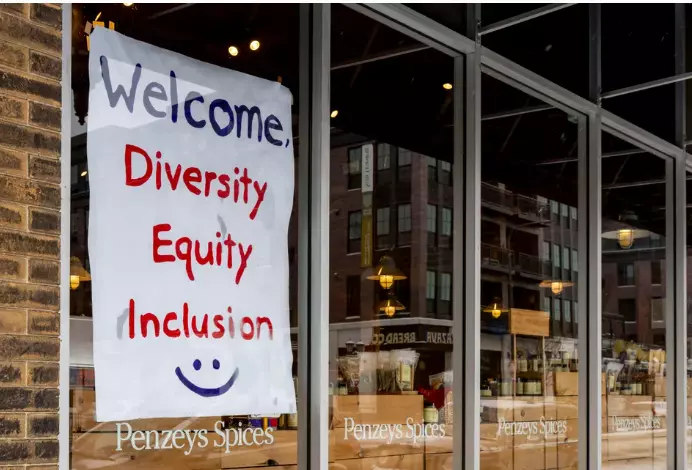
The DEI future is now a pressing topic as companies rethink diversity, equity, and inclusion strategies. Many are asking: did DEI actually work, and what comes next? Despite billions invested and bold promises made after George Floyd protests, results at the top levels of organizations remain largely unchanged. Leadership across industries is still overwhelmingly homogeneous. This gap between intention and outcome has sparked renewed scrutiny. For researchers and policymakers, the issue is no longer just improving DEI—it’s reimagining workplace systems entirely. The next phase may look very different from what came before.
For years, DEI initiatives were widely adopted across corporate America, often with strong public backing. Companies pledged resources, launched programs, and committed to measurable goals. However, six years later, representation gaps remain visible in sectors like tech, healthcare, and education. This has led many experts to question whether DEI strategies were effective in practice. A key issue lies in how these programs were implemented. In many cases, organizations focused on optics rather than outcomes. As a result, DEI became more about signaling values than achieving structural change.
One of the most significant challenges in the DEI future is what experts call “symbolic compliance.” This refers to companies meeting legal or social expectations without making meaningful internal changes. Organizations often adopted policies that protected them from scrutiny but did little to shift hiring, promotion, or retention patterns. Mandatory bias training, for example, became widespread despite limited evidence of long-term impact. These approaches created the appearance of progress without delivering real results. Over time, this disconnect weakened trust in DEI initiatives. It also made them easier to abandon when external pressures increased.
Another factor shaping the DEI future is how the concept has been politicized. Critics have increasingly framed DEI as lowering standards or prioritizing identity over merit. In some cases, complex societal issues have been incorrectly attributed to DEI, amplifying skepticism. This narrative has made it easier for organizations to step back from their commitments. When DEI becomes a catch-all explanation for unrelated problems, it loses credibility. Companies, facing reputational and political risks, often choose to retreat rather than defend nuanced positions. This environment has accelerated the decline of traditional DEI programs.
While DEI debates continue, a broader issue is emerging: the overall state of work itself. Many employees—regardless of background—report burnout, job insecurity, and dissatisfaction. High earners face intense pressure and long hours, while low-wage workers struggle with unstable schedules and rising living costs. These challenges highlight systemic issues that go beyond diversity alone. The DEI future may require addressing these foundational problems first. Improving work conditions for all employees could create a stronger baseline for equity. Without that, targeted diversity efforts may continue to fall short.
Experts suggest that the next phase of workplace policy should focus on universal improvements alongside targeted protections. Policies like paid leave, shorter workweeks, and stronger labor protections could benefit a wide range of workers. At the same time, specific measures are still needed to address discrimination and bias. Strengthening institutions like the Equal Employment Opportunity Commission could play a key role. Expanding protections to contract workers and increasing enforcement of anti-discrimination laws are also critical steps. This dual approach combines broad reform with targeted intervention. It reflects a more integrated vision of workplace equity.
The DEI future is not about abandoning inclusion—it’s about evolving it. Organizations have an opportunity to design systems that work better for everyone, not just specific groups. This includes creating flexible work environments, offering cross-training opportunities, and ensuring fair access to advancement. It also means recognizing the diverse experiences of workers, including women, veterans, LGBTQ individuals, and neurodivergent employees. Policies that account for these differences can reduce hidden barriers. Over time, this leads to more sustainable and authentic inclusion. The focus shifts from programs to systems.
This moment represents a turning point for both businesses and policymakers. The limitations of past DEI efforts provide valuable lessons about what doesn’t work. Moving forward requires a willingness to rethink assumptions and take a broader view of workplace equity. Leaders must balance immediate pressures with long-term impact. Policymakers, meanwhile, have the opportunity to create frameworks that support meaningful change. The DEI future will depend on collaboration between these groups. Together, they can build a more resilient and equitable workforce.
The decline of traditional DEI programs does not signal failure—it signals transition. Organizations now have the chance to build something more effective and inclusive. By addressing systemic workplace challenges and reinforcing protections, they can create environments where all employees can thrive. This approach moves beyond surface-level solutions toward lasting impact. The DEI future, therefore, is not about what is lost, but about what can be gained. And for companies willing to adapt, that future holds significant promise.

7.9K articles

1.4K articles

34 articles

28 articles














Comment