

Contact Information

Suggested Writers
-

7.5K articles
-

2.5K articles
-

1.3K articles
-

34 articles
4 hours ago -
5 minutes, 10 seconds
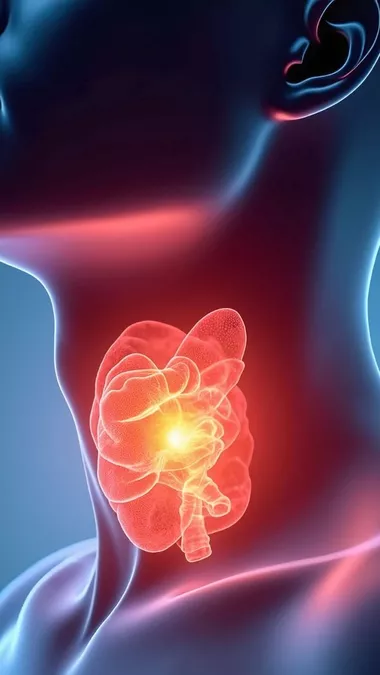
Thyroid cancer is one of the less common types of cancer, but it is also one of the most treatable when detected early. It develops in the thyroid gland, a small butterfly-shaped gland located at the front of your neck. This gland produces hormones that control your metabolism, heart rate, body temperature, and energy levels.
In its early stages, thyroid cancer often causes no symptoms, which is why many cases are found during routine health check-ups or imaging tests done for other reasons. However, as the condition progresses, certain warning signs may appear. Recognizing these symptoms early and consulting the best thyroid specialist in Chennai can lead to prompt diagnosis and effective treatment.
Thyroid cancer occurs when abnormal cells in the thyroid gland begin to grow uncontrollably. There are different types of thyroid cancer, but most grow slowly and respond well to treatment.
The main types include:
Papillary thyroid cancer is the most common type and generally has an excellent outlook when treated early.
Although many thyroid cancers do not cause symptoms initially, you should not ignore the following warning signs.
A painless lump or swelling in the front of the neck is often the first noticeable symptom. While many thyroid lumps are non-cancerous, any new swelling should be examined by a doctor.
The lump may gradually increase in size over time.
An enlarged thyroid gland or swelling that does not improve should always be evaluated. Not every neck swelling is cancer, but it requires proper assessment to identify the cause.
As the thyroid gland enlarges, it may press against the food pipe, making swallowing uncomfortable or difficult.
Some people feel as though food gets stuck while swallowing.
A hoarse or deeper voice that lasts for several weeks without a clear reason can sometimes occur if the cancer affects the nerves controlling the vocal cords.
Persistent hoarseness should never be ignored.
A growing thyroid tumor may place pressure on the windpipe, causing shortness of breath or a feeling of tightness in the neck.
Although this is less common, it needs immediate medical attention.
Pain in the front of the neck that sometimes spreads to the ears may occur in some patients.
Most thyroid cancers are painless, but ongoing discomfort should still be evaluated.
Lymph nodes in the neck may become enlarged if thyroid cancer spreads beyond the thyroid gland.
If swollen lymph nodes remain enlarged for several weeks, consult a doctor.
The exact cause is not always known, but several factors can increase the risk.
These include:
Having one or more risk factors does not necessarily mean you will develop thyroid cancer.
No. In fact, most thyroid nodules are benign (non-cancerous).
Many people develop thyroid nodules without ever experiencing serious health problems.
Doctors usually evaluate thyroid nodules using:
These tests help determine whether a nodule is harmless or requires further treatment.
If thyroid cancer is suspected, your doctor may recommend several investigations.
Common diagnostic tests include:
An ultrasound combined with a biopsy is often the most reliable way to confirm the diagnosis.
Treatment depends on the type, size, and stage of the cancer, as well as the patient's overall health.
Common treatment options include:
Surgery is the primary treatment for most thyroid cancers. Depending on the condition, part or all of the thyroid gland may be removed.
Some patients require radioactive iodine treatment after surgery to destroy any remaining thyroid tissue or cancer cells.
After thyroid surgery, patients usually take thyroid hormone replacement tablets to maintain normal hormone levels and reduce the chance of cancer recurrence.
Even after successful treatment, regular check-ups and blood tests are important to monitor recovery and detect any recurrence early.
Yes. Most thyroid cancers, especially papillary and follicular thyroid cancer, have very high survival rates when diagnosed early.
Many patients recover completely after treatment and continue to lead healthy, active lives.
Early diagnosis remains the most important factor for successful treatment.
You should seek medical advice if you notice:
These symptoms do not always indicate thyroid cancer, but they should never be ignored.
If the evaluation shows that the swelling is related to a thyroid condition, appropriate thyroid treatment in Chennai can be planned based on the diagnosis, whether the cause is cancerous or non-cancerous.
There is no guaranteed way to prevent thyroid cancer, but you can lower your risk by:
People with a family history of thyroid cancer should discuss appropriate screening with their healthcare provider.
Thyroid cancer often develops slowly and may not cause symptoms in its early stages. However, warning signs such as a neck lump, persistent swelling, hoarseness, difficulty swallowing, or enlarged lymph nodes should always be evaluated by a medical professional. While these symptoms are commonly caused by non-cancerous thyroid conditions, only proper testing can determine the exact cause.
The good news is that thyroid cancer is highly treatable, especially when diagnosed early. Timely medical evaluation, accurate diagnosis, and appropriate treatment significantly improve outcomes. Paying attention to changes in your neck and seeking medical care without delay can make a meaningful difference in protecting your long-term health.
7.5K articles
2.5K articles
1.3K articles
34 articles




Comment