Alerts

-
5 minutes, 2 seconds
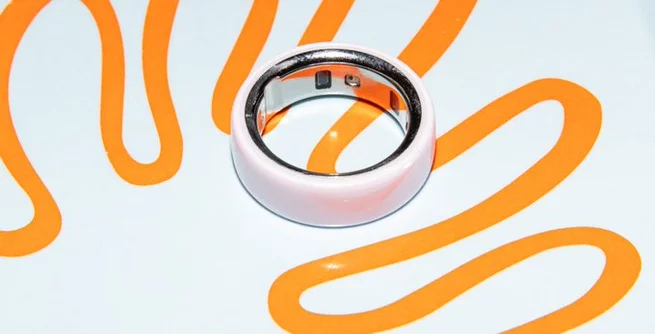
Wellness wearables are everywhere, from rings that track sleep to watches measuring heart rate. But the buzz around these devices is growing faster than their actual impact on health. Many consumers wonder: are these gadgets genuinely improving our wellbeing, or are they just stylish accessories? Oura’s recent push for lighter regulation highlights this tension, sparking debate about whether the problem lies in law or in the technology itself.
Oura’s smart ring, long popular among celebrities and executives, is now making waves on Capitol Hill. The company is lobbying for a new “digital health screener” classification, which would exempt certain wearable features from strict FDA oversight. Features like step tracking, sleep analysis, and resting heart rate monitoring would fall under this category, signaling a shift in how regulators and companies define wellness technology.
Oura CEO Tom Hale argues that current FDA rules fail to capture the nuance of modern wearables. The FDA divides devices into two categories: wellness and medical. Wellness tools are considered low-risk, often meant for education or entertainment, while medical devices diagnose or treat disease. Hale claims many wearable features sit in a gray area, too sophisticated for wellness yet not quite medical.
This argument is compelling but raises bigger questions. Are regulators the real obstacle to meaningful health tracking, or is it the devices themselves? Many features marketed as life-changing still rely on basic metrics that offer insight but rarely translate into actionable health improvements.
The distinction between wellness and medical devices has never been clearer—or more confusing. A step counter might motivate daily activity, but it does not diagnose cardiovascular risk. Sleep trackers provide patterns, but not individualized treatment plans. By lobbying for relaxed regulations, Oura is highlighting a growing problem: the definition of “wellness” is losing its meaning in a landscape dominated by flashy tech rather than verified health outcomes.
Consumers are left asking whether they are investing in genuine health tools or just sophisticated gadgets that track habits without real impact. This confusion could erode trust in wearable technology, slowing adoption among those who might benefit the most.
Even if lawmakers loosen oversight, wellness wearables face hurdles beyond regulation. Data privacy, algorithm accuracy, and the challenge of turning insights into actionable lifestyle changes remain unresolved. Relaxed rules might encourage innovation, but without stronger standards for effectiveness, wearables risk becoming more gimmick than healthcare solution.
Tech companies tout the potential of wearables to detect early illness, improve sleep, or boost fitness, yet independent studies show mixed results. Users often struggle to interpret the data, and features marketed as “medical-grade” frequently rely on incomplete or simplified measurements. Regulation can only do so much if devices fail to deliver meaningful benefits.
Wellness wearables are not going away, but their promise may be overhyped. For devices like Oura’s smart ring to earn their place in daily health routines, companies must focus on outcomes that genuinely improve wellbeing—not just metrics that look impressive on a dashboard. Regulators, industry leaders, and consumers will need to navigate a landscape where style, hype, and science intersect in unpredictable ways.
Ultimately, wellness wearables face a reckoning: will they evolve into tools that measurably enhance health, or will they remain luxury tech accessories with a wellness label? How this balance is struck will determine whether these devices shape the future of personal health—or fade as an overpromised trend.









Comment