Alerts

-
1 minute, 51 seconds
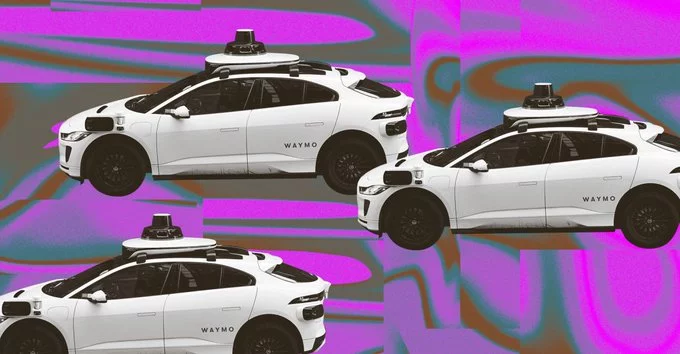
Self-driving cars need to handle unexpected events, like a child running into the street or a car swerving suddenly. Waymo built a virtual driver to study how humans react to surprises on the road. This helps their autonomous vehicles make smarter, safer decisions in real-world traffic.
Waymo’s virtual driver is an advanced artificial intelligence (AI) system. It simulates real driving scenarios, including surprising events. The goal is to teach self-driving cars how humans respond to the unexpected. This makes autonomous vehicles more reliable and human-like.
Humans are good at handling surprises. For example, when a ball rolls into the street, a driver knows a child may follow. Waymo’s virtual driver learns these patterns. It uses data from real human drivers to predict and react calmly.
Waymo’s research improves self-driving car safety. By understanding human reactions, the virtual driver can avoid crashes in surprising situations. This builds trust with passengers and pedestrians.
Imagine a delivery truck suddenly stops ahead. A human driver might slow down or change lanes. Waymo’s virtual driver learns these actions. It then programs the self-driving car to react similarly, reducing accident risks.
Waymo’s virtual driver is a big step toward fully autonomous vehicles. As the AI learns more surprises, self-driving cars will become safer for everyone. This technology could reduce traffic accidents caused by human error.
Waymo continues to lead in autonomous vehicle technology. Their focus on human behavior makes self-driving cars smarter and safer every day.










Comment