


VR Isn’t Dying — Here’s Why Enthusiasm Is Returning
Is VR dying in 2026? Not even close. Despite layoffs and slower momentum early this year, fresh innovations are quietly reigniting excitement. One of the most surprising sparks comes from a strange XR arcade cabinet that blends nostalgia with next-gen immersion. While headlines suggest decline, real-world experiences show VR is evolving rather than fading. For users rediscovering their headsets, especially standalone devices, the magic is coming back in unexpected ways.
A Rough Start for VR in 2026
The year didn’t begin kindly for virtual reality fans. Industry leaders like Meta made tough decisions, including layoffs and studio closures, shaking confidence across the ecosystem. Several anticipated titles vanished from development pipelines, leaving players wondering if VR’s momentum had peaked. When big players slow down, the ripple effects are immediate. Developers grow cautious, and community excitement dips.
The uncertainty wasn’t limited to a single company. Studios across the industry tightened budgets and reduced hiring. For many enthusiasts, the early months of 2026 felt eerily similar to previous VR downturn cycles. Questions about long-term viability resurfaced across forums and social media. Even loyal fans began wondering whether immersive tech had hit a ceiling.
Industry-Wide Slowdown Added to Concerns
Adding to the unease, hardware optimism also cooled. Rumors suggested that new VR hardware might become more expensive due to component constraints. Even Valve — often viewed as a quiet innovator in immersive tech — appeared cautious about aggressive expansion. Hardware delays and pricing concerns tend to dampen excitement faster than software news. After all, accessibility drives adoption.
For newcomers, this created hesitation. If entry costs rise while fewer must-play experiences launch, the value proposition feels weaker. That combination naturally feeds the narrative that VR is fading. But that narrative misses an important shift happening beneath the surface.
The Problem: Expecting VR to Go Mainstream Too Fast
Much of the “VR is dying” narrative stems from unrealistic expectations. For years, analysts predicted mass adoption similar to smartphones. When that didn’t happen on schedule, disappointment set in. But VR has never followed the same trajectory as mobile tech. Immersive platforms evolve differently, often through niche experimentation rather than instant ubiquity.
What’s happening now resembles a recalibration rather than a collapse. The industry is shifting from chasing mainstream validation to embracing what VR does best: unique, unforgettable experiences. And that pivot is where the real excitement lives.
Enter the Weird XR Arcade Revival
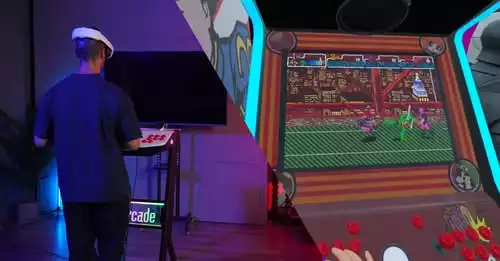
Unexpectedly, one of the biggest reminders of VR’s potential comes from an unconventional place — a hybrid XR arcade cabinet. This strange fusion of retro arcade culture and modern immersive technology captures something many modern VR experiences forgot: playful experimentation. It feels less like a polished tech demo and more like rediscovering gaming wonder.
Arcade-style VR setups emphasize physicality and social play. Instead of isolating users, they turn immersion into a shared spectacle. That alone changes how people perceive virtual reality. Watching someone swing, dodge, or react in real space brings back the communal energy of classic arcades — but amplified with modern tech.
Why Unique Experiences Matter More Than Ever
Mainstream success often pushes industries toward safe, predictable design. VR briefly flirted with that path, emphasizing polished but familiar experiences. However, the most memorable moments in immersive tech have always been weird, experimental, and slightly chaotic. That’s where emotional engagement thrives.
Accessories and experimental hardware are bringing that energy back. Motion-driven peripherals, physical props, and hybrid setups blur the line between digital and real-world interaction. These aren’t just gimmicks — they reshape how users emotionally connect with virtual worlds. And emotional resonance is what keeps technology alive.
Rediscovering the Joy of Standalone Headsets
Standalone headsets are quietly benefiting from this shift. Devices that once felt underutilized are getting a second life as players explore unconventional experiences. Instead of chasing ultra-realistic graphics, users are embracing creative gameplay. That mindset shift changes everything.
When expectations shift from “replacement for traditional gaming” to “portal for unique experiences,” VR feels fresh again. It stops competing with consoles and starts defining its own category. For many users, that realization alone rekindles excitement.
VR’s Future May Be Smaller — But Stronger
The next phase of VR may look different from early hype cycles. Instead of explosive growth, expect steady evolution. Smaller communities, passionate creators, and experimental hardware could define the landscape. That’s not a weakness — it’s how many enduring tech movements survive early turbulence.
Think of it as VR finding its identity. The industry is moving away from chasing universal appeal and toward cultivating meaningful engagement. That often leads to stronger long-term ecosystems. Depth frequently outlasts hype.
Why VR Enthusiasm Is Quietly Returning
While headlines still lean negative, grassroots excitement is building again. Community-driven discoveries, niche hardware, and experimental experiences are reigniting curiosity. Word-of-mouth is replacing flashy marketing campaigns. And in many ways, that’s healthier for the medium.
When enthusiasm grows organically, it tends to stick. People rediscover why they fell in love with immersive tech in the first place. Not because it promised to replace reality — but because it offered something completely different.
VR Isn’t Dead — It’s Evolving
Declaring VR dead has become a recurring trend every few years. Yet each time, innovation quietly proves the opposite. The latest wave of strange, playful hardware shows that immersive tech still has plenty of life left. If anything, the current phase feels more authentic than earlier hype-driven eras.
Weird, experimental experiences are reminding users what makes VR special. Not mass adoption numbers. Not quarterly sales charts. But the sense of wonder that only immersive technology can deliver. And as long as that feeling exists, VR isn’t going anywhere.











Comment