Alerts

-
4 minutes, 17 seconds
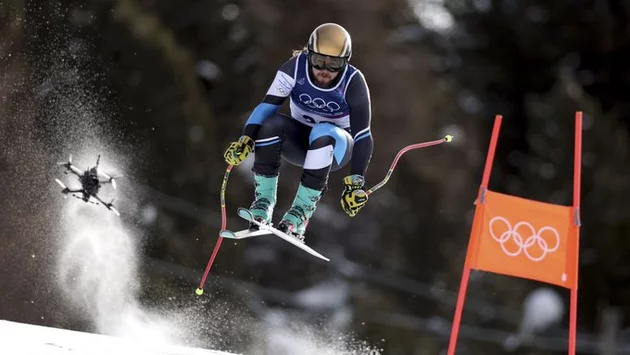
FPV drones are making a bold entrance at the Milano-Cortina Winter Olympics 2026, offering viewers perspectives that traditional cameras simply can’t match. From whizzing down icy luge tracks to racing alongside downhill skiers exceeding 80mph, these drones are redefining how we experience winter sports. For fans streaming from home, the immersive footage adds a new layer of excitement, putting viewers almost in the athlete’s shoes.
While some viewers praise the drones for capturing unprecedented angles, others find the buzzing whir of propellers distracting. This balance between innovation and disruption is sparking debate over the future of drone technology in live sports broadcasting.
The most striking advantage of FPV drones is their ability to convey speed. In events like the luge, often called the fastest sport on ice, drones dart through narrow channels, following athletes as they hurtle toward the finish line. Downhill skiing also benefits, with drones tracking competitors down mountainsides at heart-stopping speeds.
These aerial shots provide a cinematic perspective that standard cameras, mounted on poles or helicopters, can’t replicate. They immerse viewers in the intensity of the moment, capturing every turn, jump, and rapid descent in real time. For fans craving edge-of-the-seat excitement, drones are a game-changer.
Despite the thrilling footage, using FPV drones at the Olympics isn’t without challenges. Broadcasters are still fine-tuning when to switch between drone shots and traditional camera angles. A poorly timed cut can disorient viewers or distract from key moments.
There’s also the noise factor. Some spectators find the high-pitched whirring of drones intrusive, particularly during quieter, tense events. Yet, many industry insiders believe these issues are temporary, likely to improve as pilots and engineers refine flight paths and sound management.
Even with some drawbacks, FPV drones are proving their value. They bring a level of closeness and intensity that standard cameras can’t match, enhancing storytelling and viewer engagement. Sports fans now expect immersive, multi-angle coverage, and drones meet that demand spectacularly.
Moreover, drone technology is evolving rapidly. Lighter materials, quieter motors, and smarter flight controls are making drones more efficient and less obtrusive. The Winter Olympics may just be the beginning—expect to see FPV drones in future sporting events, from summer games to extreme sports competitions.
FPV drones aren’t just a novelty—they’re a glimpse into the future of live sports coverage. Their ability to capture motion, speed, and drama from fresh angles is reshaping what viewers expect from televised events. While some traditionalists may grumble about the noise, the excitement and immersion these drones offer are undeniable.
As technology improves and broadcasters adapt, drones could become a standard part of the Olympic experience, offering fans worldwide a front-row seat to every thrilling moment. For now, they represent a bold step forward in making the Winter Games faster, closer, and more unforgettable than ever.









Comment