
Trending
Trending Hashtags
Alerts
-
2 minutes, 19 seconds
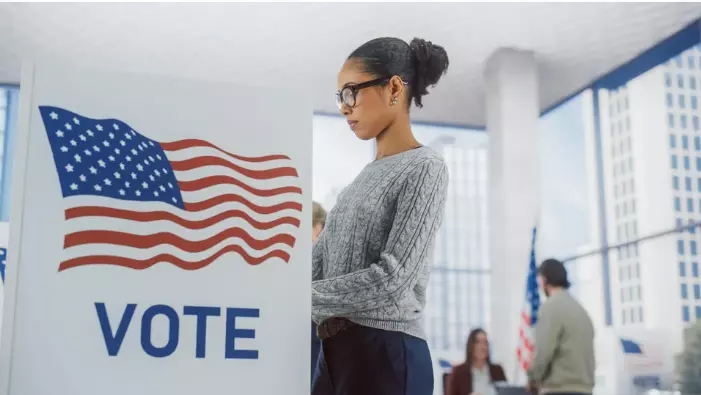
In a major Supreme Court decision, Louisiana v. Callais, the court removed key protections that stopped lawmakers from drawing voting maps that weaken minority voters' political power. This 6-3 ruling means Republican-led states can now break up Black and Latino Democratic districts, making it harder for these communities to elect leaders who represent them. The League of Women Voters calls this case “likely to become the most consequential Supreme Court case in over a decade.”
David Froomkin, a law professor at the University of Houston, explains: “After Callais, a court can only help minority voters if the state can do so without hurting its own political goals—like protecting incumbents. This makes it nearly impossible for voters to get the protections the Voting Rights Act was supposed to provide.”
Black workers are already facing tough times. Avis Jones-DeWeever, a political commentator, says: “We’ve seen southern states rush to break up majority Black districts. This could lead to losing nearly a third of the Congressional Black Caucus and about 200 Black state legislators across the South.”
When Black political power drops, so do workplace protections. According to a 2020 study by the Washington Center for Equitable Growth, voting rights protections helped reduce wage discrimination and created better economic opportunities for Black workers. Many southern states, where most Black Americans live, have resisted raising the minimum wage. The National Employment Law Project warns that “failure to raise wages and adopt worker protections hurts the Black workforce the most.”
Ashtin Berry, a Louisiana activist, says: “Every American should be worried about this ruling. Now is the time to learn how the Voting Rights Act and civil rights bills shaped your state.”
Jones-DeWeever adds: “When Black political power is strong, we see better minimum wages, stronger Social Security, expanded reproductive rights, and more funding for HBCUs and Black businesses. When that power is weakened, everyone loses.”
The Callais decision is a serious blow, but history shows that when people organize, change is possible. Don’t wait—get involved now.










Comment