Alerts

-
4 minutes, 56 seconds
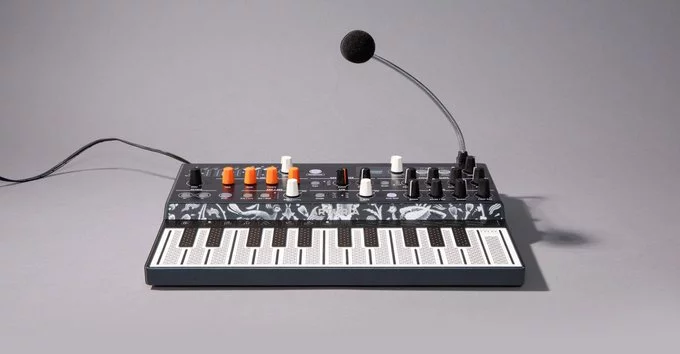
Vocoder history often sparks curiosity: what is a vocoder, where did it come from, and how did it transform music? Originally designed for communication efficiency, the vocoder became one of the most influential sound tools in modern music. Its journey from a scientific experiment to a cultural icon reveals a surprising blend of innovation, secrecy, and creativity that continues to shape how artists use the human voice today.
The vocoder wasn’t created for music at all. Its roots trace back nearly a century to experiments focused on improving voice transmission over telephone systems. Engineers wanted a way to compress speech signals so they could travel more efficiently across limited bandwidth. By analyzing and reconstructing human speech electronically, the vocoder offered a groundbreaking solution.
What made the technology unique was its ability to separate the characteristics of speech from the sound itself. This meant voices could be synthesized and recreated in entirely new ways. While the original goal was practical communication, the invention quietly laid the foundation for something far more creative and unexpected.
During its early development, the vocoder found use in secure communications. Governments explored its potential for encrypting speech, making it difficult for outsiders to intercept sensitive information. This phase of its history gave the vocoder an almost mysterious reputation, as it operated behind the scenes in high-stakes environments.
Eventually, the technology moved beyond its original purpose. As electronic music began to rise, musicians and producers discovered the vocoder’s ability to transform vocals into robotic, harmonic sounds. This shift marked a turning point, turning a once-hidden tool into a centerpiece of artistic experimentation.
The real magic of the vocoder lies in its ability to blur the line between voice and instrument. Instead of simply recording vocals, artists could shape them, layer them, and even “play” them like a synthesizer. This opened up entirely new possibilities for musical expression.
Musicians quickly embraced the vocoder to create futuristic sounds that felt both human and machine-like. The technology allowed singers to harmonize with themselves in real time, producing rich textures that were previously impossible. Over time, this signature effect became a defining feature across multiple genres, from electronic and pop to hip-hop and beyond.
Despite decades of technological advancements, the vocoder remains highly relevant. Modern music production tools have expanded its capabilities, but the core concept remains unchanged. Artists still use it to experiment with identity, voice, and sound in ways that feel fresh and innovative.
Today’s producers often combine vocoder techniques with advanced software, pushing the boundaries even further. The result is a seamless blend of classic sound design and cutting-edge technology. This enduring appeal highlights how a simple idea can evolve into something timeless.
The story of the vocoder is a powerful reminder that innovation rarely follows a straight path. What began as a technical solution for communication challenges ultimately reshaped the music industry. Its influence can be heard in countless songs, proving that even the most unexpected inventions can leave a lasting cultural impact.
As technology continues to evolve, the vocoder stands as a symbol of creative transformation. It shows how tools designed for one purpose can inspire entirely new forms of expression. For listeners and creators alike, its legacy is not just about sound—it’s about the endless possibilities of human imagination.









Comment