Alerts

-
3 minutes, 58 seconds
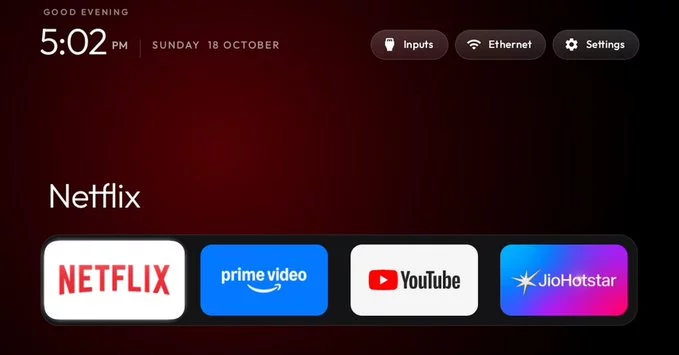
For many people, turning on a smart TV means facing a steady stream of advertising and the sense that their viewing habits are being tracked. That combination is pushing some users to look for alternatives—and AI vibe coding is emerging as one possible answer.
Vibe coding uses AI to help people create software by describing what they want in everyday language. Instead of accepting every feature and commercial prompt built into a TV’s interface, users may be able to describe a different experience and build tools to suit it. The appeal is not simply that AI can write code; it is that people frustrated with the way their TVs work can try to shape the software around their own priorities.
This interest reflects a broader desire for more control over devices that have become a gateway to entertainment as well as advertising and data collection. Vibe coding does not automatically remove ads or stop tracking, but it gives users a way to explore whether custom software can address some of the frustrations they encounter. For those who feel that standard TV interfaces serve advertisers as much as viewers, the prospect of making something tailored to their needs is compelling.
For many viewers, turning on a television now means encountering a steady stream of advertising before they can settle in to watch. Ads may appear on the home screen, in menus and around the content people choose to play, making the experience feel less like using a device they own and more like navigating a storefront. The source article describes users facing a barrage of ads across their TVs, a frustration that can make everyday viewing feel increasingly cluttered.
The issue is not limited to traditional commercial breaks during a show. Advertising can be woven into the TV interface itself, so it is present even when users are simply browsing for something to watch. That repeated exposure can interrupt the straightforward experience people expect from a television and leave them looking for ways to take control of what appears on screen. As ads become a prominent part of using a TV, some users are drawn to the idea of changing or improving that experience themselves. The volume and visibility of advertising are part of the broader dissatisfaction that helps explain why people are exploring new ways to customize their devices.
Ads are not the only reason TV owners feel that their devices are working against them. Data tracking can add to the sense that the television is less a simple screen and more a platform collecting information about how people watch. For users already frustrated by advertising, that can make the experience feel even more intrusive.
Tracking is particularly unwelcome when viewers have little control over what is collected or how it is used. A television may sit at the centre of a home, but that does not mean people want their viewing habits monitored as part of the deal. The combination of ads and data collection can leave users feeling that they are paying for a product while also being treated as an audience to target.
This frustration helps explain why some users are interested in building their own TV experiences with AI vibe coding. The appeal is not just about changing how a screen looks or behaves; it is also about seeking more control over what appears on it and how the experience is shaped. For people tired of being tracked and marketed to, that promise of greater choice is an important part of the draw.
For some TV users, AI vibe coding represents a possible response to two frustrations: advertising and data tracking. Rather than simply accepting how smart TVs work, they are looking to AI tools as a way to build or adapt software around their preferences. That interest reflects a hope, not a guarantee: AI vibe coding has not already solved either problem.
Users may want more control over what appears on screen, how their devices behave and what information is collected. They could also see the approach as a way to experiment with alternatives that better match their expectations. But creating software with AI does not, by itself, remove ads or stop a TV from tracking activity. The result would depend on what people build and whether it can work with their devices and services.
For now, the appeal is the possibility of taking a more active role. AI vibe coding gives users a way to explore ideas for changing their TV experience, while concerns about advertising and tracking remain the reasons they are looking for options.










Comment