
-
2 minutes, 22 seconds
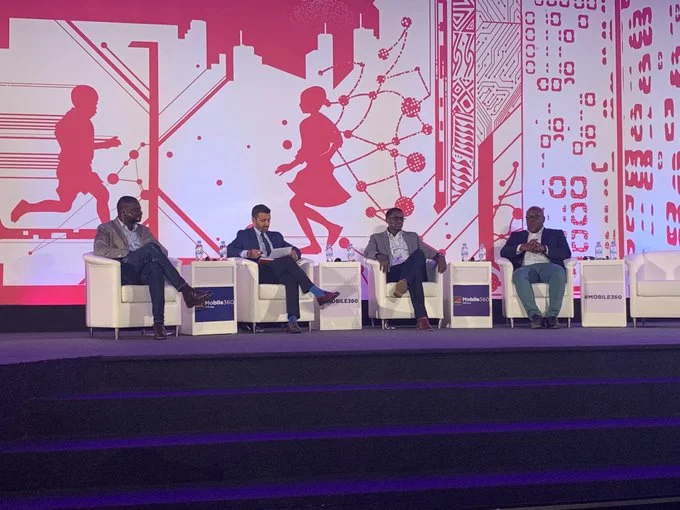
Visa is testing a new way to send money across borders using stablecoins. The company is working with M-PESA Africa and Onafriq in the Democratic Republic of Congo (DRC). This pilot adds blockchain technology to mobile money infrastructure, aiming to make international transfers faster and cheaper for users.
In this test, Visa uses stablecoins—digital tokens tied to a stable asset like the US dollar—to settle transactions between mobile money wallets. Here is the simple breakdown:
This removes the need for traditional banking intermediaries, which often cause delays and high fees.
Payment firms are racing to find faster, lower-cost ways to send money internationally. Traditional methods can take days and cost up to 10% in fees. By using stablecoins and blockchain, Visa hopes to cut transfer times to minutes and reduce costs significantly.
Mobile money is huge in Africa. M-PESA alone has over 50 million users. This pilot could make it easier for families to send money home from abroad or for businesses to pay suppliers across borders. For example:
Industry analysts see this as a major step. "Visa is testing stablecoin settlement to solve real problems in cross-border payments," says one fintech expert. "If successful, it could set a new standard for mobile money transfers."
This pilot is still in early stages. But if it works, Visa could expand stablecoin settlement to other countries and partners. Other payment firms like PayPal and Mastercard are also exploring similar technology. The race to faster, cheaper international transfers is heating up.
Visa's stablecoin test with M-PESA and Onafriq is a smart move. It shows how blockchain can improve cross-border payments without replacing the mobile money systems people already use. For users, it means faster, cheaper, and more reliable international transfers. Keep an eye on this space—it could change how Africa sends and receives money.

2.5K articles

1.4K articles

34 articles

28 articles













Comment