
-
4 minutes, 55 seconds
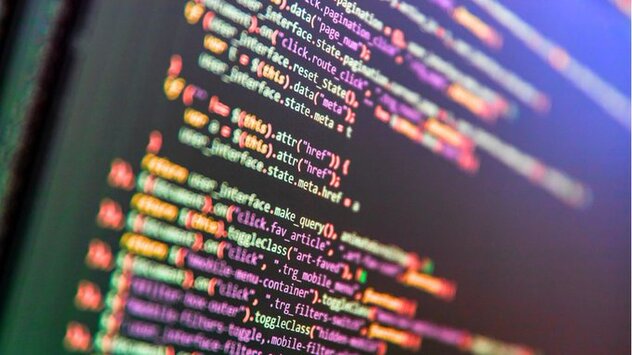
Vibe-coding is quickly becoming the buzzword in AI programming, with Collins Dictionary naming it 2025’s word of the year. But what exactly is vibe-coding, and why is it gaining so much attention? In essence, vibe-coding allows developers to prioritize creativity and intuition over rigid structure, using AI to transform ideas into working code with minimal technical friction. As organizations explore “vibe-led” approaches—from vibe-marketing to vibe-automation—developers are asking whether this trend is a genuine innovation or just the latest enterprise fad.
At the heart of vibe-coding is AI assistance. Modern language models guide developers, helping code emerge almost organically from ideas and impulses. This reduces the need for painstaking syntax work or deeply technical expertise, allowing teams to focus on creativity and concept development. The result is a faster, more fluid workflow that emphasizes the “feel” of coding rather than the formal structure. However, the trade-off comes in the form of less control over quality and security—a challenge that organizations must navigate carefully.
Vibe-coding prioritizes spontaneity, but experts warn that it can blur the line between innovation and chaos. Traditional programming emphasizes structure, testing, and safeguards, ensuring software is reliable and secure. In contrast, vibe-coding can leave gaps in security or performance if unchecked. As AI-driven development tools proliferate, companies will need to strike a balance between nurturing creativity and maintaining the rigorous standards that safeguard users and data.
Interestingly, vibe-led methodologies are expanding into other workplace areas. Vibe-working, vibe-marketing, and even vibe-automation are gaining traction as organizations experiment with intuition-first strategies. While some companies report improved engagement and faster idea generation, others struggle with consistency and oversight. This divergence highlights that while AI can amplify human creativity, it cannot fully replace foundational discipline in complex systems.
For developers, vibe-coding represents both opportunity and challenge. On one hand, it allows them to explore ideas freely and see results quickly, making work more engaging and less restrictive. On the other, it requires a new mindset—developers must now navigate creativity while still meeting performance, security, and compliance requirements. Teams that succeed in this environment often combine AI support with robust oversight, blending freedom and control effectively.
As vibe-coding becomes more mainstream, security concerns loom large. Without careful monitoring, AI-generated code may introduce vulnerabilities that are difficult to detect. Quality assurance processes must evolve to account for AI-driven spontaneity, ensuring that creativity does not compromise reliability. Organizations that fail to integrate these safeguards risk undermining the very efficiency vibe-coding promises to deliver.
The question on everyone’s mind is whether vibe-coding is a long-term shift or just a passing trend. Early adopters highlight faster prototyping, increased innovation, and more engaging workflows. Critics, however, caution against over-reliance on AI intuition, emphasizing that structure and security remain crucial. The most likely scenario is a hybrid approach: developers will embrace vibe-coding for ideation while retaining traditional methodologies for critical system integrity.
Vibe-coding is undeniably reshaping the landscape of software development, merging human intuition with AI’s generative power. The key for organizations will be to harness this creativity responsibly, blending freedom with rigorous standards. As this trend matures, the balance between innovation and control will define which companies thrive in the AI-driven programming era.

2.5K articles

1.4K articles

34 articles

28 articles










Comment